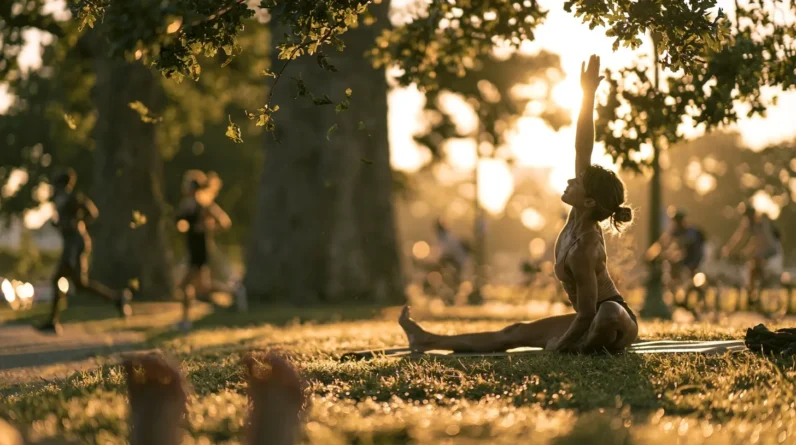
We’ve engineered ourselves away from the movements our bodies evolved to perform, yet our physiology still craves functional patterns like squatting, hinging, and loaded carries. These ancestral exercises build genuine strength without requiring modern equipment—just your bodyweight and intention. Ground-based movements restore natural mobility while crawling and climbing develop integrated resilience. By weaving primal patterns into daily routines, we reclaim the movement blueprint that sustained our ancestors. Discover how these timeless practices transform your strength and resilience.
The Evolutionary Foundation of Human Movement
Our bodies haven’t fundamentally changed in thousands of years, yet we’ve dramatically altered how we move through the world. Understanding human evolution reveals that we’re optimized for dynamic, varied movement—walking, running, climbing, and carrying. Our ancestors’ survival depended on functional strength and cardiovascular resilience.
Modern movement science confirms this evolutionary blueprint remains embedded in our physiology. We’re built for locomotion across diverse terrain, not sedentary desk work. Our muscles, joints, and nervous systems thrive when we honor these ancestral movement patterns.
We’re recognizing that authentic exercise mimics these natural demands. Incorporating varied, multi-planar movements—not isolated gym exercises—aligns with how our bodies evolved to function. This evidence-based approach to movement restores our natural capacity for health, liveliness, and longevity.
Core Natural Movement Patterns for Everyday Function
Movement patterns—squatting, hinging, pushing, pulling, carrying, and locomotion—form the foundation of functional human capacity. We’ve evolved these patterns through millions of years of survival demands, and they remain essential for maintaining health and autonomy throughout our lives.
Functional training leverages these natural movements to build resilience:
- Squatting strengthens legs and hips while improving mobility for daily tasks
- Hinging protects your spine during lifting and bending activities
- Pushing and pulling develop upper body strength for practical demands
You can integrate these patterns into home exercises without equipment. By practicing movements we’re biomechanically designed for, we optimize strength, stability, and longevity. This evidence-based approach transforms exercise from isolated gym routines into preparation for genuine living.
Building Strength Through Ancestral Exercise Methods
While understanding natural movement patterns gives us the framework for functional strength, we can amplify those benefits by drawing from ancestral exercise methods—practices refined across generations and cultures that built resilient bodies without modern equipment. Ancestral training encompasses primitive workouts like loaded carries, climbing, and functional pushing that develop genuine strength adaptations. We’re not romanticizing the past; we’re recognizing that these time-tested protocols engaged multiple muscle groups simultaneously, building integrated strength that translates to real-world demands. By incorporating elements like farmer’s carries, crawling variations, and bodyweight progressions, we reclaim movement patterns our bodies evolved to perform. This integration bridges natural movement with progressive resistance, creating sustainable strength without relying on specialized machinery.
Mobility and Resilience Without Modern Equipment
The foundation of lasting strength crumbles without adequate mobility—and we don’t need foam rollers, resistance bands, or stretching machines to build it. We’re reclaiming movement practices that develop resilience through simplicity.
Our ancestors built exceptional body awareness through:
- Ground-based movements: crawling, squatting, and prone stretching that restore natural ranges of motion
- Outdoor play: climbing, balancing on uneven terrain, and traversing natural environments that challenge stabilizer muscles
- Progressive loading: bodyweight progressions that demand real-time proprioceptive feedback
These practices cultivate genuine resilience by forcing our nervous systems to adapt. We develop superior joint stability, movement efficiency, and injury prevention—not through isolation exercises, but through integrated patterns that mirror how we’re designed to move. This evidence-based approach transforms how we interact with our environment and our bodies’ capacity.
Integrating Primal Movements Into Your Daily Routine
Rather than relegating these patterns to dedicated workout blocks, we can weave ground-based movements and natural loading into the fabric of our existing routines—turning ordinary moments into opportunities for nervous system adaptation and joint resilience.
Start mornings with intentional morning meditation paired with dynamic stretching sequences. This primes your parasympathetic system while mobilizing tight tissues. Throughout your day, practice loaded carries while retrieving items, perform squatting shifts instead of bending, and incorporate crawling patterns during floor-based activities.
Daily stretching needn’t consume extra time; embed it into passages between tasks. Stand on single legs during phone calls. Practice loaded positions while working at your desk. This integration creates cumulative stimulus without requiring gym access, building antifragility through consistent, contextual movement practice that aligns with how our ancestors naturally moved.
Conclusion
We’ve explored how our bodies thrive when we honor their evolutionary blueprint. By integrating ancestral movements into daily life, we’re not fighting our nature—we’re flowing with it, like a river finding its course. You don’t need fancy equipment; you need intention. Start where you are, move how we’re built to move, and watch your strength and resilience compound naturally.