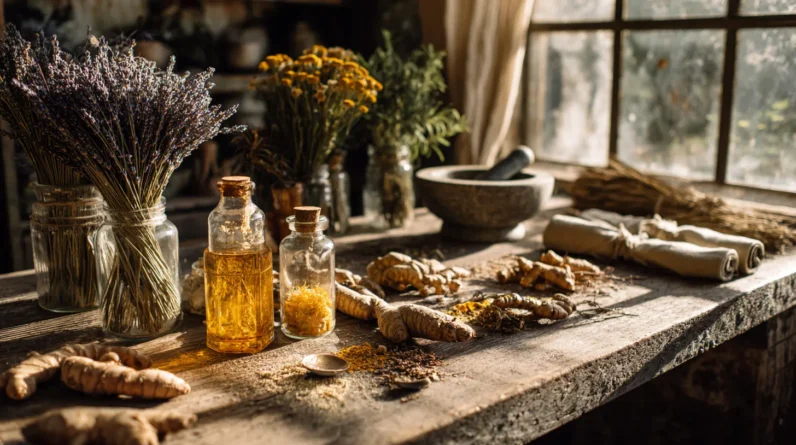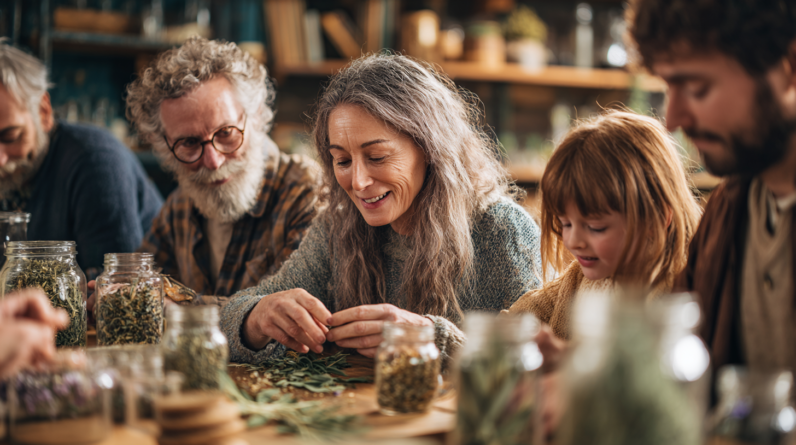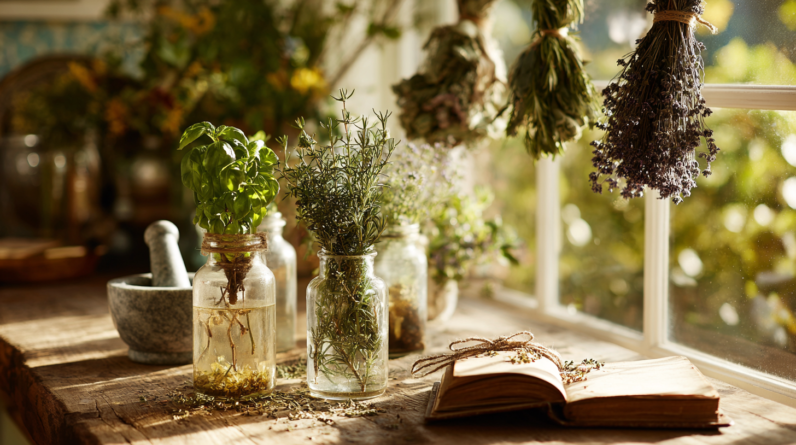
We’ve reclaimed what our ancestors knew: kitchen herbs aren’t just flavor—they’re sophisticated healing allies. Modern science confirms what centuries of observation taught us: ginger soothes digestion, turmeric manages inflammation, oregano supports immunity. We’re discovering that whole-plant synergy outperforms isolated compounds. By weaving these botanicals into daily rituals, family meals, and evening routines, we’re reimagining wellness as an embodied practice. Your kitchen garden holds keys to transforming how your family experiences health.
The Historical Roots of Plant-Based Family Wellness
Generations before modern medicine claimed dominion over our health, families thrived on botanical knowledge—knowledge we’ve largely abandoned despite growing evidence of its efficacy. Our ancestors didn’t separate wellness into clinical compartments; they understood plants as integrated allies within daily life. Herbal folklore passed through generations encoded practical wisdom about ginger’s warming properties, elderberry’s immune support, and chamomile’s calming influence. These weren’t superstitions but refined observations refined through centuries of application.
Today’s personal stories echo this ancestral intelligence. Families reclaiming plant-based practices report measurable shifts in essentialness and resilience. We’re recognizing that this botanical literacy isn’t nostalgia—it’s mastery being reclaimed. By studying how our predecessors wielded these tools systematically, we access a sophisticated wellness framework our bodies still recognize.
Understanding the Science Behind Culinary Herbs
While modern science has begun validating what our kitchens have long known, we’re careful not to let laboratory reductionism diminish the plants themselves. Phytochemical analysis reveals bioactive compounds, yet we recognize that isolating single constituents misses the synergistic intelligence herbs embody.
| Herb | Primary Phytochemicals |
|---|---|
| Turmeric | Curcuminoids |
| Ginger | Gingerols, shogaols |
| Basil | Eugenol, linalool |
| Thyme | Thymol, carvacrol |
Herbal extracts derived through traditional preparation methods often outperform synthetic isolates. We’re mastering the nuanced distinction between reductionist data and ecological complexity—understanding that whole-plant medicines operate through matrices of compounds our current measurement tools merely approximate. This discernment shapes our family’s approach: valuing scientific literacy while honoring botanical wisdom’s deeper dimensions.
Essential Kitchen Herbs and Their Therapeutic Benefits
Armed with this scientific humility, we can now turn our attention to the herbs we’ve already invited into our family’s daily rhythms. We recognize that culinary staples like ginger, turmeric, and oregano aren’t merely flavor enhancers—they’re potent herbal remedies offering real therapeutic potential. Ginger supports digestive comfort; turmeric promotes inflammation management; oregano delivers antimicrobial properties. We’re also discovering that aromatic blends—combining complementary herbs—amplify these benefits synergistically. Rosemary with basil enhances cognitive clarity, while thyme paired with sage soothes respiratory pathways. Rather than viewing these plants as supplements separate from food, we’re reframing them as integrated allies within our culinary practice. This perspective transforms cooking into preventive care, where each meal becomes an opportunity for active wellness. We’re not making extraordinary claims—we’re simply honoring what plants genuinely offer.
Practical Ways to Integrate Healing Herbs Into Daily Life
The shift from theoretical understanding to lived practice isn’t complicated—it’s simply a matter of shifting our kitchen habits. We’ll transform our spaces into wellness sanctuaries through intentional herbal gardening and everyday integration.
Consider these foundational approaches:
- Brew daily infusions using fresh or dried herbs, allowing their wisdom to steep into our routines rather than relying solely on conventional remedies.
- Culinary integration weaves natural remedies directly into meals—adding turmeric to soups, basil to salads—making healing invisible yet consistent.
- Topical preparations like infused oils become our skincare, honoring plants’ regenerative properties without pharmaceutical intermediaries.
We’re not chasing clinical validation; we’re honoring generations of botanical knowledge. This pragmatic approach respects plants as teachers, inviting their subtle intelligence into our daily rhythms. Mastery emerges through consistent, mindful practice.
Building Your Family’s Herbal Wellness Practice
Once we’ve cultivated our personal herbal knowledge, we’re ready to weave this plant wisdom through our families—and that’s where transformation deepens. We’re not simply adopting herbal remedies; we’re establishing family traditions rooted in plant intelligence. This requires intentional practice and consistency.
| Practice Element | Integration Method | Family Benefit |
|---|---|---|
| Morning rituals | Herbal teas during breakfast | Shared wellness foundation |
| Kitchen gardening | Growing medicinal plants together | Embodied plant knowledge |
| Seasonal preparations | Creating tinctures and infusions | Intergenerational learning |
| Evening routines | Herbal wind-down practices | Collective nervous system support |
We anchor these practices within our unique family rhythms, allowing herbs to become companions rather than supplements. This approach cultivates discernment—each family member develops their own relationship with plants, understanding which allies serve them best. We’re building mastery through lived experience, not dogma.
Conclusion
We’ve journeyed from ancient wisdom to modern kitchens, discovering how herbs aren’t mere seasonings—they’re allies in our family’s wellbeing. But here’s what we’re really asking: why’ve we forgotten what our ancestors knew? By honoring plants’ subtle, complex nature and trusting our own experiences alongside observation, we’re reclaiming our health. We’re not chasing perfection or clinical proof. We’re simply reconnecting with earth’s offerings, one mindful cup at a time.