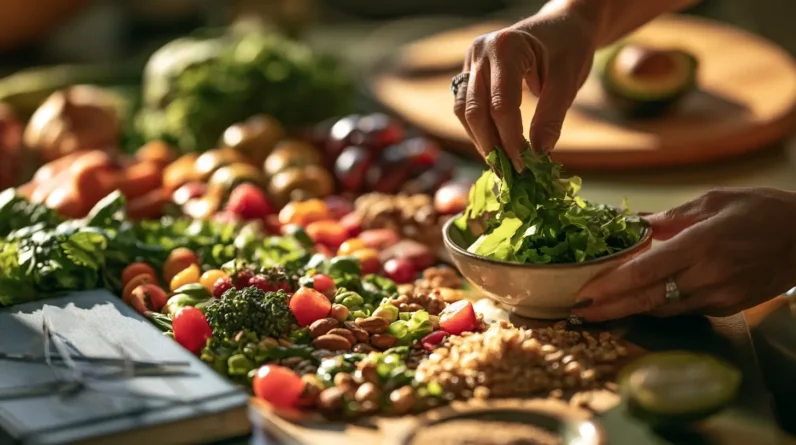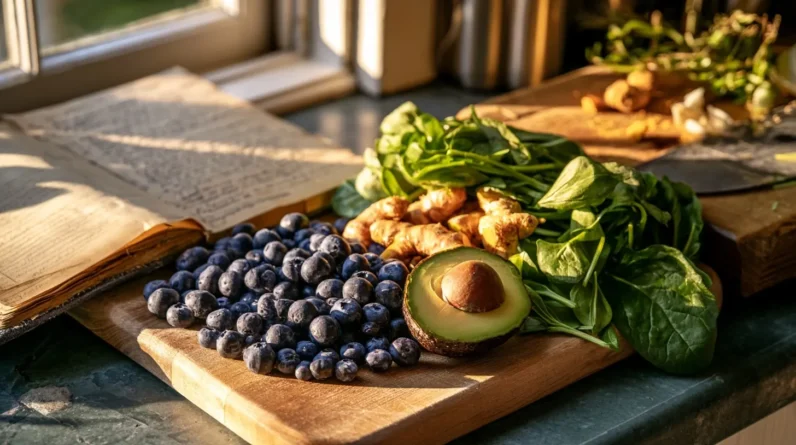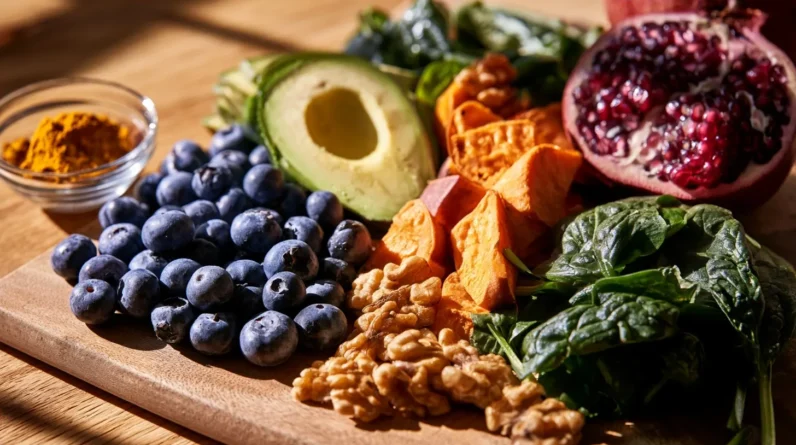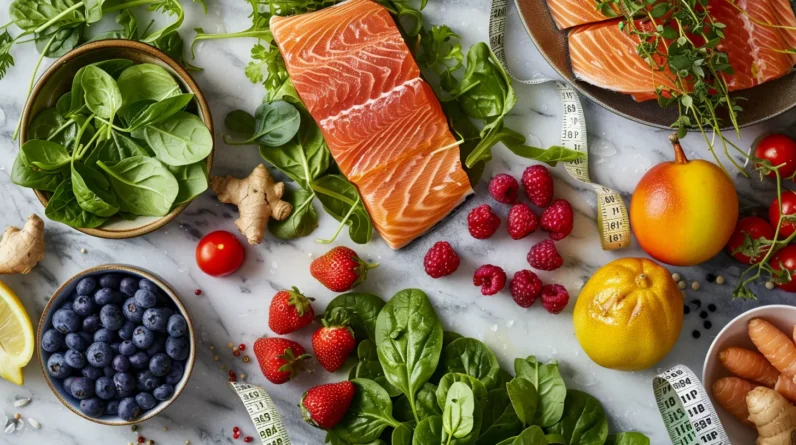
We’ve learned that strategically selected foods function as precision healing tools. Omega-3 fatty fish suppress pro-inflammatory cytokines while berries’ anthocyanins inhibit NF-κB signaling. Curcumin rivals NSAIDs in efficacy; cruciferous vegetables activate Nrf2 pathways. By pairing iron-rich greens with vitamin C and combining polyphenols with healthy fats, we optimize nutrient bioavailability for cellular repair. Timing intake with circadian rhythms and maintaining consistent nutrient synergy amplifies long-term wellness outcomes. Discover how these evidence-backed strategies transform nutrition into personalized healing protocols.
The Anti-Inflammatory Foods That Speed Up Healing
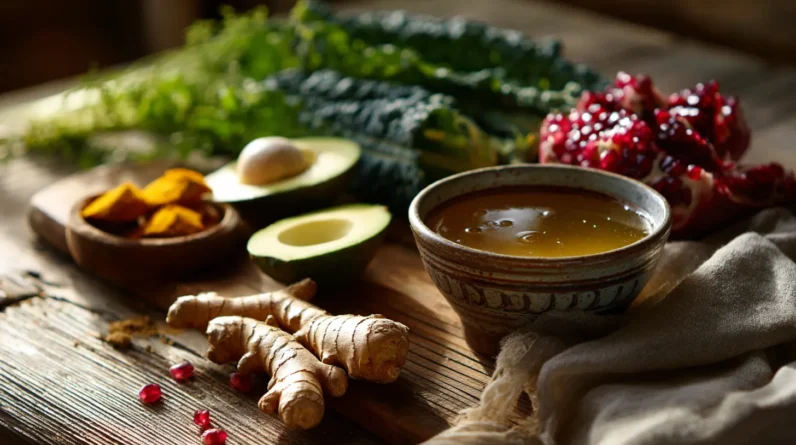
When we’re recovering from injury or illness, we can’t overlook the critical role that nutrition plays in accelerating tissue repair and reducing systemic inflammation. We’ve identified specific foods that demonstrably modulate inflammatory pathways. Fatty fish rich in omega-3 polyunsaturated fatty acids suppress pro-inflammatory cytokines. Berries contain anthocyanins that inhibit NF-κB signaling. Cruciferous vegetables provide sulforaphane, a potent Nrf2 activator. We shouldn’t neglect anti-inflammatory spices like turmeric, containing curcumin, which rivals NSAIDs in efficacy for certain applications. Anti-inflammatory herbs such as ginger and rosemary offer phenolic compounds that reduce inflammatory markers. Leafy greens supply polyphenols supporting endothelial function. We can strategically integrate these nutrient-dense foods into our recovery protocols to optimize healing timelines and minimize chronic inflammatory complications.
How to Build Nutrient-Dense Meals for Cellular Repair
Understanding which foods promote healing is only half the equation; we must now master how to combine these nutrient-dense ingredients into meals that methodically deliver the micronutrients and macronutrients our cells require for repair.
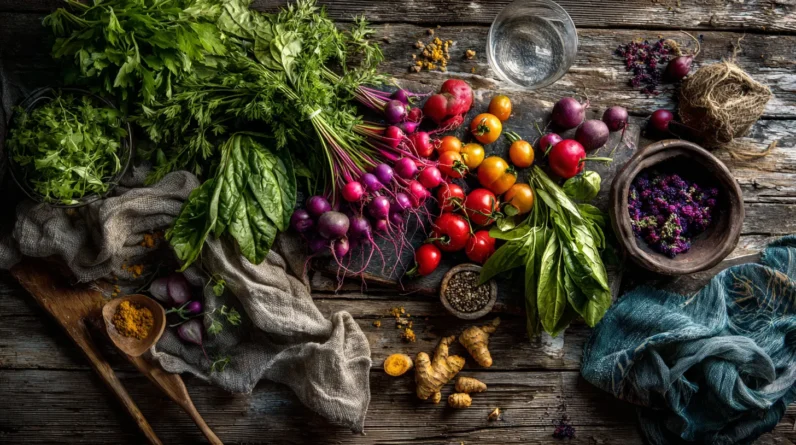
We’ll construct plates around balanced macronutrients: quality protein for amino acid synthesis, complex carbohydrates for sustained energy, and healthy fats for hormone production and inflammation modulation. Layer nutrient-rich ingredients strategically—pair iron-dense leafy greens with vitamin C sources to enhance bioavailability, combine polyphenol-rich berries with fat for optimal absorption, and include sulfur-containing cruciferous vegetables for glutathione production.
This architectural approach guarantees we’re not merely consuming calories but orchestrating cellular regeneration through precise nutrient synergy and timing.
Nutrition Strategies for Common Health Conditions
Beyond the foundational principles of nutrient density, we must now tailor our dietary approaches to address specific pathophysiological conditions that demand targeted micronutrient and macronutrient interventions.
We’ll optimize nutrition across prevalent health challenges:
- Cardiovascular disease: Emphasize omega-3 fatty acids, soluble fiber, and potassium-rich foods to modulate lipid profiles and blood pressure
- Type 2 diabetes: Prioritize low glycemic index carbohydrates paired with protein to stabilize glucose metabolism
- Gastrointestinal disorders: Select digestion supporting foods including bone broth, fermented vegetables, and prebiotic fibers
- Neuroinflammatory conditions: Incorporate polyphenol-rich sources and healthy fats to reduce neuroinflammation
- Chronic stress: Implement stress reducing meal planning featuring magnesium, B vitamins, and adaptogenic herbs
We’re leveraging evidence-based nutritional science to systematically address underlying pathophysiology rather than merely managing symptoms.
Foods and Supplements That Boost Immune Function
Since our immune system’s capacity to recognize and neutralize pathogens depends critically on adequate micronutrient status, we must strategically incorporate immunomodulatory compounds into our dietary framework. We’ll leverage antioxidant rich superfoods and gut friendly probiotics to optimize our defense mechanisms.
| Nutrient | Primary Source |
|---|---|
| Zinc | Oysters, pumpkin seeds, beef |
| Vitamin D | Fatty fish, egg yolks, sunlight |
| Selenium | Brazil nuts, tuna, whole grains |
| Quercetin | Apples, onions, berries |
We’re combining targeted supplementation with whole-food approaches. Probiotics colonize our intestinal microbiota, strengthening the gut barrier where 70% of our immune cells reside. Antioxidant-dense superfoods like berries and cruciferous vegetables neutralize oxidative stress, preserving immune cell function. We’re creating synergistic nutritional protocols that enhance both innate and adaptive immunity through evidence-based dietary interventions.
Creating a Sustainable Eating Plan That Supports Long-Term Wellness
While targeted micronutrients form the foundation of immune resilience, we can’t sustain ideal health through sporadic nutritional interventions alone. We’re building sustainable wellness through strategic meal planning techniques and balanced macronutrient ratios that support metabolic homeostasis.
Our evidence-based framework includes:
- Macronutrient optimization: Calibrating protein (1.6-2.2g/kg), carbohydrates, and lipids for your metabolic demands
- Nutrient density prioritization: Selecting whole foods delivering maximum micronutrient concentration per calorie
- Circadian alignment: Timing nutrient intake to synchronize with cortisol and metabolic rhythms
- Bioavailability enhancement: Combining foods that maximize mineral absorption and nutrient utilization
- Consistency protocols: Establishing repeatable meal patterns that reduce decision fatigue while maintaining adherence
We’re designing personalized eating plans that integrate immune support with sustainable behavioral change, creating long-term physiological resilience through precision nutrition rather than temporary interventions.
Conclusion
We’ve navigated nutrition’s landscape like skilled gardeners tending soil. Just as plants require proper nutrients to flourish, our bodies demand strategic fueling through anti-inflammatory foods, immune-boosting compounds, and cellular repair mechanisms. We’ve planted seeds of sustainable habits—not quick fixes—that yield compound wellness dividends. Your healing journey mirrors nature’s resilience: consistent nourishment transforms cellular environments. We’re equipped now to architect long-term essentiality through evidence-based dietary choices.