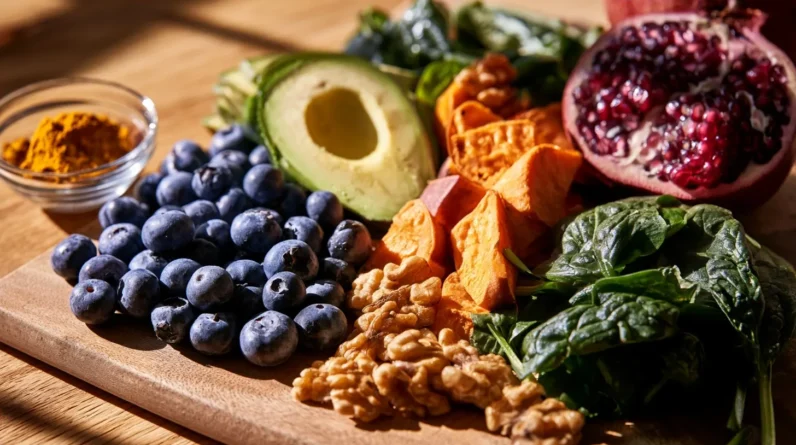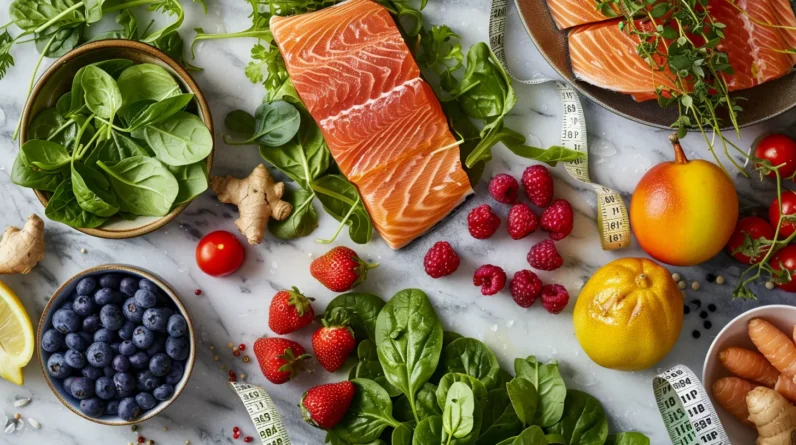
We need adequate protein (1.2-2.0 g/kg body weight), sufficient calories, and micronutrients—zinc, vitamin C, selenium, and vitamin D—to support tissue synthesis and immune function during recovery. Anti-inflammatory foods like fatty fish, cruciferous greens, berries, and turmeric reduce systemic inflammation while omega-3 fatty acids inhibit inflammatory cascades. You’ll maximize healing by eating every 3-4 hours with protein distributed across meals. Most people unknowingly sabotage recovery through inadequate calorie and protein intake, micronutrient deficiencies, and dehydration. Understanding exactly how to structure your meals transforms your body’s capacity to repair.
The Five Nutrients Your Body Needs Most During Recovery
When we’re recovering from injury or illness, our nutritional demands shift dramatically. Our body requires protein to rebuild damaged tissues and synthesize enzymes essential for healing. Micronutrients—particularly zinc, vitamin C, and selenium—support immune system function while reducing infection risk. Omega-3 fatty acids modulate inflammation, accelerating recovery timelines. We can’t overlook vitamin D’s role in calcium absorption and immune regulation. Finally, prebiotics and probiotics optimize gut health, enhancing nutrient absorption and strengthening the intestinal barrier. This microbial ecosystem directly influences immune system support through the gut-immune axis. Strategic nutrient timing amplifies these benefits, ensuring our body receives substrates when metabolic demands peak. We prioritize these five nutrient categories to systematically accelerate healing and restore physiological resilience.
How to Build Healing Meals Around Protein, Calories, and Micronutrients
Because our recovery demands exceed baseline nutritional requirements, we’ll construct meals that systematically deliver adequate protein, sufficient calories, and targeted micronutrients in each sitting. Strategic macronutrient balancing guarantees we’re meeting elevated protein needs—typically 1.2-2.0 grams per kilogram of body weight—while maintaining caloric surplus for tissue repair.
We’ll structure plates with three components: a protein source, calorie-dense carbohydrates or fats, and micronutrient-rich vegetables. Incorporating anti-inflammatory spices like turmeric, ginger, and curcumin amplifies healing capacity beyond basic nutrition. These compounds reduce systemic inflammation, expediting recovery trajectories.
Practical application means combining grilled salmon with sweet potato and nutrient-dense greens seasoned strategically. We’re not merely eating; we’re engineering biochemical conditions that optimize tissue regeneration and systemic recovery.
Foods That Fight Inflammation and Speed Tissue Repair
Anti-inflammatory foods aren’t merely supportive additions to our recovery protocol—they’re active pharmacological agents that modulate immune responses and accelerate tissue regeneration. We leverage nutrient dense vegetables like cruciferous greens, beets, and leafy varieties to deliver polyphenols and phytonutrients that suppress pro-inflammatory cytokines. Anti inflammatory spices including turmeric, ginger, and curcumin-rich compounds provide measurable reductions in systemic inflammation markers. Omega-3 fatty acids from fatty fish, flaxseeds, and walnuts competitively inhibit arachidonic acid metabolism, shifting our immune equilibrium toward resolution. Berries deliver anthocyanins that enhance antioxidant defense systems. We strategically combine these evidence-based interventions to optimize our recovery trajectory, recognizing that targeted nutrition directly influences collagen deposition rates and tissue remodeling efficiency.
Timing Your Nutrition: When and How Often to Eat for Optimal Healing
While selecting nutrient-dense foods establishes the foundation for recovery, the temporal distribution of those nutrients proves equally consequential for maximizing healing outcomes. We optimize tissue repair by maintaining consistent meal frequency—typically every three to four hours—which sustains stable amino acid and glucose availability for anabolic processes. Strategic portion control prevents metabolic stress while ensuring adequate micronutrient intake. Post-injury, we prioritize protein consumption within two hours of damage occurrence, leveraging the heightened anabolic window when muscle protein synthesis peaks. Distributing macronutrients across multiple smaller meals enhances nutrient absorption and maintains steady energy levels, preventing catabolic states that compromise recovery. We’ve established that synchronized nutrient timing with circadian rhythms and activity levels substantially accelerates tissue regeneration and functional restoration compared to sporadic eating patterns.
Common Nutritional Mistakes That Slow Recovery Down
Even as we’ve established ideal timing and nutrient distribution, many individuals still derail their recovery through preventable dietary errors that directly counteract healing physiology.
We commonly observe these critical mistakes:
- Insufficient protein intake fails to support tissue synthesis and immune function during recovery
- Inadequate calorie consumption forces the body to catabolize muscle for energy rather than directing resources toward repair
- Micronutrient deficiencies impair collagen formation and inflammatory resolution
- Dehydration compromises nutrient transport and thermoregulation
- Excessive processed foods displace nutrient-dense calories and promote systemic inflammation
These errors compound, creating metabolic resistance to healing. We must recognize that recovery isn’t passive; it demands deliberate nutritional strategy. Correcting these fundamental mistakes often produces measurable improvements in recovery timeline and functional outcomes.
Conclusion
We’ve mapped your nutritional foundation for recovery—think of these guidelines as blueprints for rebuilding. Protein serves as your structural steel, calories fuel the construction, and micronutrients act as precision tools. Timing becomes your project manager, coordinating delivery when your body’s demand peaks. By avoiding common pitfalls, you’re removing obstacles from your healing pathway. It is understood that nutrition isn’t peripheral to recovery; it’s the engine powering your return to strength.