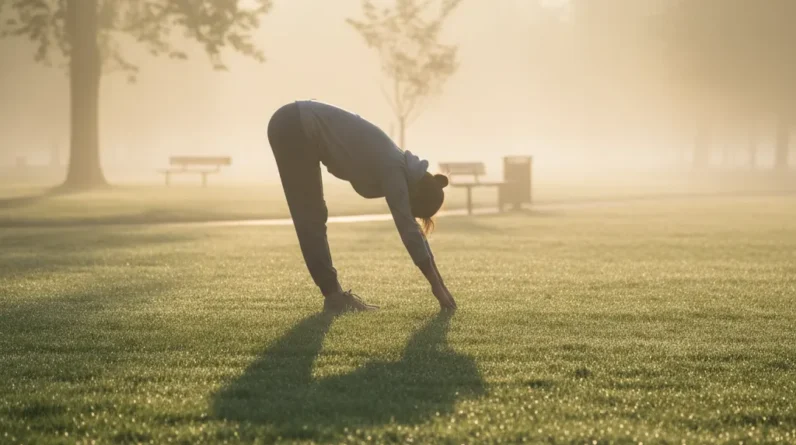
Healing exercise feels less intimidating when we comprehend chasing variety and start repeating the same simple movements until our nervous system recognizes them as safe. When we’re injured or unwell, our nervous system stays on high alert. Predictable, repeated movements signal safety, reducing our protective bracing response and lowering perceived danger. Familiar movements transform overwhelming sessions into manageable ones. Once we grasp how to choose and build the right routine, everything starts to shift.
Why Repetition Calms the Nervous System During Recovery
When the body faces injury or illness, the nervous system shifts into a heightened state of alertness, making even gentle movement feel threatening. Repeated, predictable movements directly counter this response by signaling safety to the brain’s threat-detection centers.
Each time one performs the same controlled motion, one’s building neural familiarity. The brain recognizes the pattern, reduces its protective bracing response, and gradually lowers perceived danger. This process, called motor learning, rewires how the nervous system interprets movement input.
Consistency matters here because unpredictability amplifies anxiety. When one is aware of exactly what’s coming—the same range, tempo, and sensation—we strip movement of its threat value. Over time, repetition transforms what once felt overwhelming into something recognizable, manageable, and ultimately empowering during the recovery process.
How to Choose Healing Movements You Can Actually Repeat
Choosing the right healing movements starts with an honest assessment of what our bodies can tolerate without triggering pain or fear. We’re looking for movements that feel sustainable across multiple sessions, not just manageable once.
Start simple. Movements with clear endpoints, minimal equipment, and low coordination demands repeat most reliably. Think gentle spinal rotations, supported heel raises, or diaphragmatic breathing sequences. These aren’t inferior options—they’re strategic ones.
We should also test repeatability before committing. Perform a movement three times in a row. If the third repetition feels identical to the first, it’s a strong candidate. If fatigue or discomfort escalates, we need a modification.
Consistency requires choosing movements we can actually return to. Difficulty we can’t sustain defeats the entire purpose of building a healing practice.
Build a Simple Routine That Fits Your Recovery Stage
Building a routine that actually supports recovery means matching our movement choices to where we are right now, not where we hope to be. Let’s structure that intention practically:
- Assess current capacity — identify what we can do without pain, compensation, or fatigue overload.
- Anchor movements to a fixed time — consistency builds neural patterns that reduce perceived effort over time.
- Scale weekly, not daily — small progressive adjustments prevent plateau and protect tissue integrity.
When we design a routine this way, we’re not guessing. We’re working with our physiology, not against it. Recovery isn’t linear, but our commitment to showing up doesn’t have to waver. A stage-appropriate routine transforms intimidating exercise into a predictable, manageable practice we can actually sustain.
What Happens When Healing Exercise Becomes Familiar
Familiarity changes everything about how we experience healing exercise. Once movements stop feeling foreign, our nervous system shifts from threat-detection mode into coordination mode. We’re no longer spending mental energy decoding each step — we’re actually feeling what the movement does to our body.
That’s when real progress accelerates. We start noticing subtle feedback: which muscles engage, where tension lingers, how breath influences stability. This body awareness isn’t passive — it’s an active skill we’re developing with every repetition.
Familiar routines also lower the psychological cost of showing up. When we’re not dreading confusion or pain from uncertainty, consistency becomes easier to maintain. We graduate from surviving each session to building genuine capacity. That’s the threshold where healing exercise stops being something we endure and starts becoming something we own.
Keep Showing Up When Pain and Fatigue Push Back
Even when exercise starts feeling familiar and manageable, pain and fatigue will still show up and test our commitment. These moments aren’t setbacks—they’re part of the healing process. How we respond determines whether we build real resilience or stall our progress.
When resistance hits, we rely on three strategies:
- Reduce intensity, not frequency—showing up matters more than performing at full capacity.
- Distinguish discomfort from damage—healing exercise creates sensation; sharp or worsening pain signals us to stop.
- Anchor to our pattern—the routine we’ve built becomes our default, making it easier to return even on difficult days.
Consistency isn’t about feeling good every session. It’s about trusting the process enough to keep moving forward, even when our body pushes back.
Frequently Asked Questions
Can Healing Exercises Be Done While Sitting or Lying Down?
Yes, we can do healing exercises while sitting or lying down. These positions let us maintain consistent movements comfortably, making it easier to build a routine without straining ourselves unnecessarily.
How Long Should Each Individual Movement Session Last for Beginners?
We recommend starting with 5-10 minute sessions. As we build endurance and body awareness, we’ll gradually extend duration. Consistency matters more than length—daily short sessions outperform sporadic lengthy ones in developing lasting movement patterns.
Should I Consult a Doctor Before Starting Any Healing Exercise Routine?
Yes, we strongly recommend consulting your doctor before starting any healing exercise routine. They’ll assess your specific condition, identify limitations, and help us tailor movements that support recovery without risking further injury.
Can Music or Breathing Techniques Enhance the Repetition Experience?
Yes, we can absolutely enhance our repetition experience with music and breathing techniques. Rhythmic music syncs with our movements, while controlled breathing regulates focus and intensity, making each repetition more deliberate and therapeutically effective.
Are There Specific Times of Day Best Suited for Healing Movements?
Morning’s often our best window—our bodies are refreshed, cortisol’s naturally elevated, and we’re mentally primed. That said, we’ll heal most effectively when we’re consistent, so let’s prioritize our most sustainable, distraction-free time daily.
Conclusion
Healing feels overwhelming, but consistency quietly rewrites how your brain experiences movement. Research shows that repeating a movement just eight times can begin reducing the brain’s threat response to that motion. Picture eight gentle shoulder rolls standing between you and less fear. We’re not asking for perfection or intensity—we’re asking for repetition. Show up with the same small movements, and your nervous system will start trusting the process alongside you.