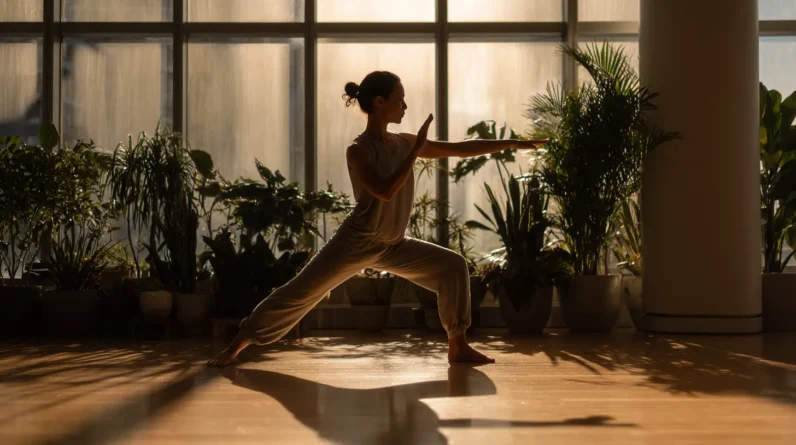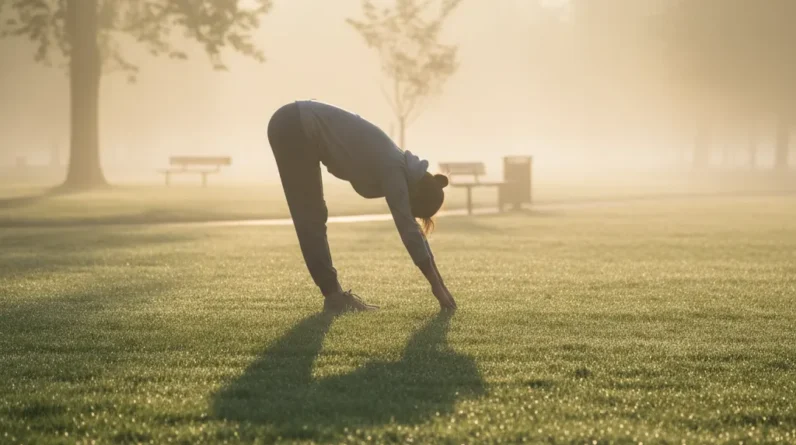
We’ve engineered movement out of modern life through sedentary workspaces and vehicular infrastructure, but reclaiming functional patterns restores longevity. Compound movements like squats, carries, and pulling variations activate multiple muscle groups simultaneously, rebuilding neural pathways our bodies evolved to maintain. These natural patterns enhance hip mobility, posterior chain activation, and core stability while accumulating training stimulus throughout daily living. The evidence suggests integrating occupational tasks and environmental challenges creates sustainable progression—and there’s considerably more to uncover about optimizing your movement practice.
How Modern Life Disrupts Our Natural Movement Patterns
Because we’ve engineered convenience into nearly every aspect of daily life, we’ve fundamentally altered the movement patterns our bodies evolved to perform. Our sedentary lifestyle stems directly from urban planning that prioritizes vehicular transport over walking and from workspaces designed around stationary desk positions. We’ve eliminated the biomechanical demands our ancestors faced—constant locomotion, varied terrain navigation, and dynamic postural changes. Modern infrastructure reduces spontaneous movement opportunities, replacing them with labor-saving mechanisms. Our musculoskeletal systems haven’t adapted to this environmental shift. We’re experiencing postural deviations, muscular imbalances, and reduced metabolic demands that collectively compromise long-term health outcomes. Recognizing this disconnect between our evolutionary biology and contemporary environmental design is essential for developing effective interventions that restore natural movement patterns to our daily routines.
The Science Behind Functional Movement and Longevity
As we’ve established how modern environments constrain our movement, we can now examine what research reveals about restoring it. Functional movement activates multiple muscle groups simultaneously, enhancing neuromuscular coordination and athletic performance. Studies demonstrate that compound movements rebuild muscle memory more effectively than isolated exercises, creating lasting neural adaptations.
| Movement Type | Primary Benefit | Longevity Impact |
|---|---|---|
| Squatting patterns | Hip mobility, lower body strength | Reduced fall risk, maintained independence |
| Pulling variations | Posterior chain activation, posture | Improved spinal health, decreased injury |
| Loaded carries | Core stability, grip strength | Enhanced metabolic function, bone density |
We’re discovering that functional training preserves proprioception—our body’s spatial awareness—critical for aging well. This systematic approach to movement isn’t merely exercise; it’s physiological restoration that counters sedentary decline and extends healthspan alongside lifespan.
Essential Natural Movements for Daily Practice
While we’ve established the neurological benefits of functional training, we must now identify which movements we should prioritize in our daily routines. We’ll focus on seven foundational patterns: squatting, hinging, pushing, pulling, carrying, gait, and rotation. Each pattern recruits multiple muscle groups and neural pathways simultaneously, enhancing body awareness and movement efficiency. Implementing mindful posture during these movements—maintaining neutral spine alignment, engaging core stabilizers, and coordinating breathing—optimizes neuromuscular adaptation. We recommend integrating these patterns into your routine through compound exercises performed three to four times weekly. Progressive overload, coupled with deliberate movement quality, guarantees continued adaptation and longevity benefits. Mastering these essentials creates a robust foundation for sustainable, injury-resistant movement throughout life.
Building Strength Through Real-World Activities
We’ve mastered the foundational movement patterns, but we’ll now translate that knowledge into practical strength-building through genuine functional contexts. Real-world activities demand progressive resistance and compound engagement:
- Loaded carries develop core stability and grip strength simultaneously across multiple planes
- Climbing and pulling activate posterior chain muscles essential for injury prevention
- Unilateral body weight work identifies and corrects strength imbalances between limbs
- Occupational tasks provide natural progression opportunities without requiring equipment
- Environmental adaptation forces nervous system optimization through varied resistance patterns
Strength training through authentic activities builds resilience that isolated exercises can’t replicate. We’ll prioritize movement quality over volume, ensuring our body weight becomes a sophisticated training tool rather than mere resistance. This systematic approach establishes durable strength that translates directly to daily performance demands.
Mobility and Flexibility: Reclaiming Your Body’s Full Potential
Mobility and flexibility represent distinct physiological capacities that we’ve largely neglected in favor of strength and cardiovascular training, yet they’re foundational to sustaining the functional movement patterns we’ve developed. We’ll reclaim our bodies’ potential through systematic practice.
| Capacity | Definition | Application |
|---|---|---|
| Mobility | Active range of motion with control | Dynamic stretching, loaded movements |
| Flexibility | Passive tissue extensibility | Static stretching, foam rolling |
| Body Awareness | Proprioceptive acuity | Mindful exercises, movement integration |
We’re implementing mindful exercises that demand body awareness—deliberate, controlled movements that restore lost ranges of motion. This isn’t passive stretching; we’re actively engaging our nervous system to recalibrate movement quality. Through systematic mobility work, we’re addressing movement restrictions that compromise posture and functional capacity, directly enhancing longevity and injury resilience.
Cardiovascular Health Without the Gym
Cardiovascular adaptation doesn’t require treadmills or stationary bikes—it emerges from sustained elevation of heart rate through accessible, functional movement. We’ve built cardiovascular capacity through natural patterns that demand sustained effort without specialized equipment.
• Outdoor exercises like hill sprints and tempo walking create progressive aerobic demand
-
- Home workouts using bodyweight circuits—burpees, mountain climbers, jump squats—elevate heart rate sustainably
- Stair climbing and loaded carries build cardiac efficiency while strengthening stabilizer muscles
- Interval protocols alternating intensity maximize cardiovascular adaptation within minimal timeframes
- Movement integration throughout daily living—vigorous yardwork, hiking, manual labor—accumulates training stimulus organically
- Home workouts using bodyweight circuits—burpees, mountain climbers, jump squats—elevate heart rate sustainably
We’re reclaiming cardiovascular health through movement patterns our ancestors performed naturally. These methods develop aerobic capacity, improve parasympathetic recovery, and strengthen the heart without gym dependency.
Creating a Sustainable Movement Routine for Life
Building cardiovascular capacity through accessible methods addresses immediate health gains, but long-term essentialness demands we establish movement patterns we’ll actually maintain. We’ll integrate mindful exercise into our daily architecture, selecting activities aligned with our values and lifestyle constraints. This systematic approach to personal development requires honest assessment of our capabilities, preferences, and environmental factors. We’re designing routines with deliberate progression—manageable intensities we can sustain across decades, not weeks. Consistency trumps intensity; accumulated movement volume over time produces superior physiological adaptations. We’ll establish feedback mechanisms to track adherence and adjust as circumstances shift. By anchoring exercise to intrinsic motivation rather than external pressure, we’re constructing sustainable systems. This evidence-based strategy guarantees our movement practice evolves with us, becoming woven into our identity rather than remaining an external obligation.
Conclusion
It’s recognized you’ll think sustainable movement requires specialized equipment or time we don’t have. That’s precisely the misconception we’ve dismantled. By reintegrating natural movement patterns into daily activities—climbing, carrying, bending—we’re not adding obligations but reclaiming our evolutionary design. The evidence is systematic: functional longevity emerges not from heroic gym sessions but from consistent, biologically-aligned movement integrated throughout our lives.