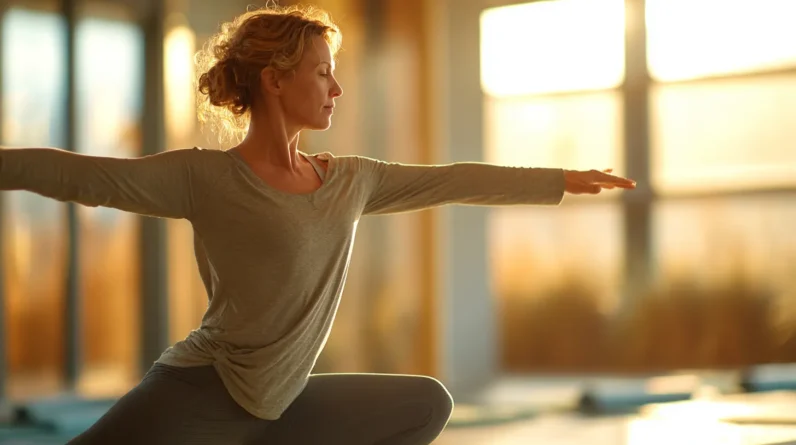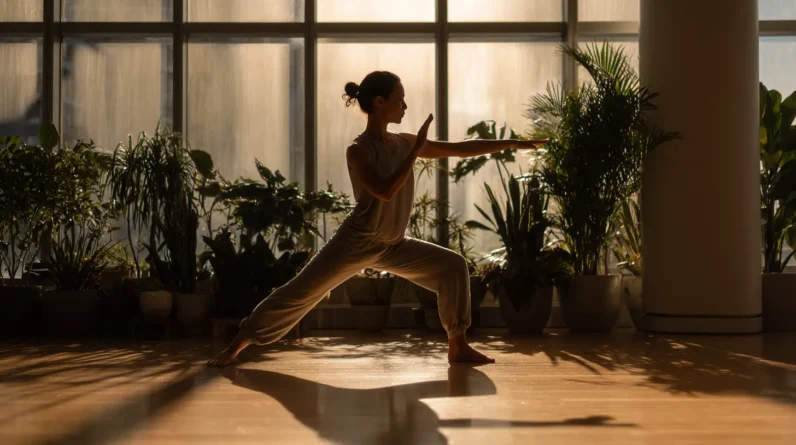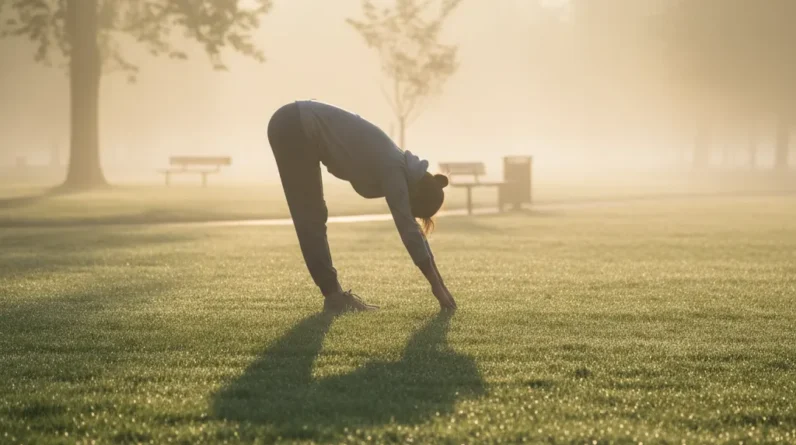
We’ve engineered our bodies for compound movements—push-ups, squats, lunges, and carries that engage multiple muscle groups simultaneously. These natural patterns build genuine strength without machines because they mirror real-world actions like lifting groceries or climbing stairs. We recommend three non-consecutive strength days weekly, paired with mobility work on alternate days. Track your progress weekly and gradually increase reps, sets, or reduce rest periods. You’ll discover how consistent, intelligent advancement transforms your everyday capability.
The Science Behind Natural Movement Patterns
When we strip away the machinery and return to how our bodies evolved to move, we’re tapping into millions of years of biological optimization. Evolutionary theory reveals that our ancestors developed movement patterns perfected through survival demands—sprinting, climbing, carrying, and throwing.
Modern biomechanics analysis confirms these natural patterns engage multiple muscle groups simultaneously, creating functional strength that machines can’t replicate. Our bodies aren’t designed for isolated movements; they’re engineered for compound, coordinated actions.
When you master bodyweight exercises—push-ups, squats, lunges—you’re honoring your anatomical blueprint. You’re building stabilizer muscles, improving proprioception, and developing real-world strength that translates to daily life.
This isn’t nostalgia; it’s science. Understanding the biomechanical principles underlying natural movement patterns empowers you to train smarter, building genuine capability without artificial constraints.
Bodyweight Exercises That Build Real Strength
Now that we’ve established the biomechanical advantage, let’s build the foundation with exercises that’ll transform your strength. We’re talking about movements that deliver real strength gains through athletic training principles.
| Exercise | Primary Benefit | Progression |
|---|---|---|
| Push-ups | Chest, shoulders, triceps | Single-arm variations |
| Pull-ups | Back, biceps, grip strength | Weighted vests |
| Squats | Legs, core stability | Pistol squats |
These three exercises form your cornerstone. We execute push-ups with controlled tempo, maintaining rigid body alignment. Pull-ups demand explosive power and muscular endurance. Squats build foundational leg strength that transfers to athletic performance.
You’ll notice rapid strength gains within weeks. We progress by increasing volume, reducing rest periods, or advancing to harder variations. Master these movements first—they’re your blueprint for unmatched functional strength without equipment.
Functional Movements for Daily Life Performance
Beyond raw strength, we’ve got to train movements that’ll actually serve us in real life—bending, lifting, carrying, and reaching through our daily routines. This functional approach builds a movement culture where exercise directly translates to real-world capability.
We’re talking about:
- Squats and lunges that mirror picking up groceries or playing with kids
- Carries and loaded walks that strengthen your core for hauling laundry or moving furniture
- Crawling and climbing patterns that develop full-body coordination for traversing any environment
When we prioritize functional movements, daily activities become easier. You’ll notice improved posture, reduced injury risk, and genuine strength that matters. This isn’t about looking strong—it’s about being strong where it counts, integrating exercise into how you actually move through life.
Creating an Effective Home and Outdoor Workout Routine
Since we’ve built our foundation on functional movements that matter, let’s translate that philosophy into a structured routine we can actually stick with. Home workouts thrive on consistency and progression. Start by designating three non-consecutive days weekly for strength-focused sessions. Incorporate compound movements: push-ups, squats, lunges, and rows. On alternate days, practice mobility work outdoors where natural terrain challenges your stability.
Your workout routines should follow a simple structure: warm-up with dynamic stretches, execute 3-4 exercises for 8-12 reps each, rest strategically between sets. Increase difficulty progressively by adding reps, reducing rest periods, or modifying leverage. Track your performance weekly—this data drives continued adaptation.
The environment matters. Fresh air enhances recovery; varied surfaces build resilience. Master these fundamentals before advancing. Consistency beats intensity every time.
Progressing Your Natural Movement Training Over Time
Once we’ve mastered the fundamentals, we’re ready to elevate our training—and here’s where the real transformation happens. Progressive overload isn’t exclusive to machines; we’ll systematically increase demands on our bodies through natural movement.
Here’s how we’ll advance:
- Increase repetitions and sets gradually to build strength and endurance without compromising form
- Modify leverage points by adjusting body angles—think archer push-ups or single-leg variations that intensify difficulty
- Reduce rest periods between exercises to boost cardiovascular capacity and muscular endurance
We’ll prioritize injury prevention by listening to our bodies and maintaining proper technique throughout progression. Personal growth stems from consistent, intelligent advancement. We don’t rush; we build methodically. This approach guarantees sustainable gains, deeper strength, and lasting capability in our natural movement practice.
Conclusion
We’ve shown you how natural movements transform your body and life. Studies reveal that bodyweight training increases functional strength by up to 40% compared to isolated machine work. You don’t need fancy equipment—just your body, determination, and consistency. Start today with movements your ancestors perfected. Progress gradually, stay patient, and you’ll build genuine strength that carries into everything you do. We’re confident you’ll feel the difference.