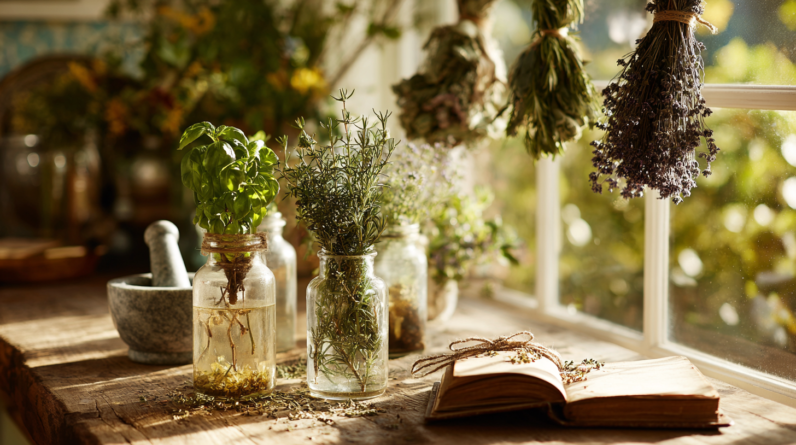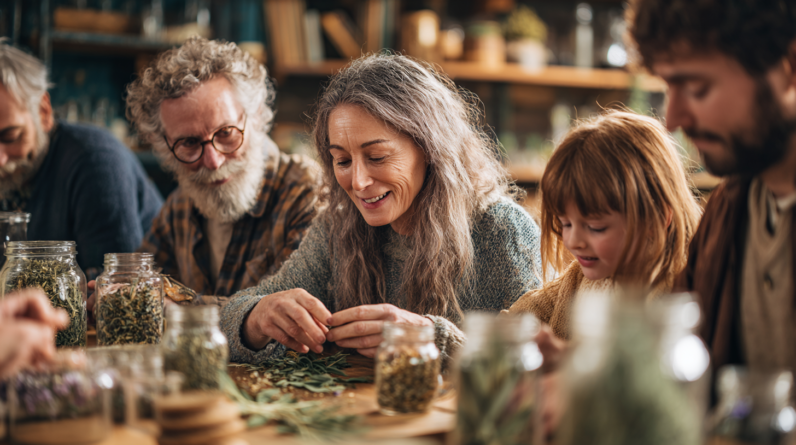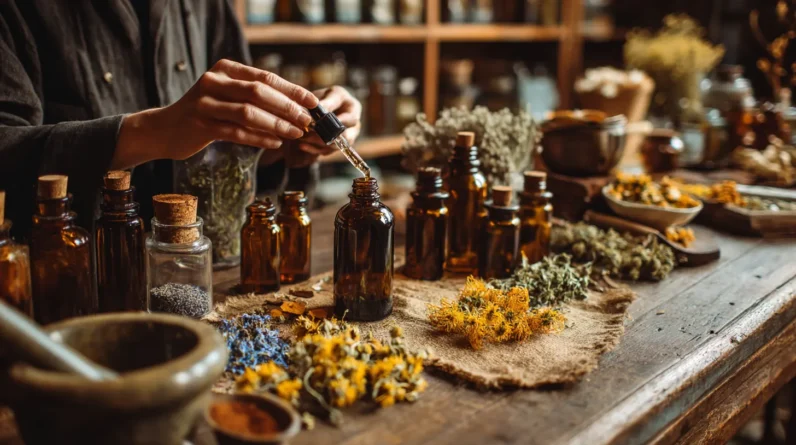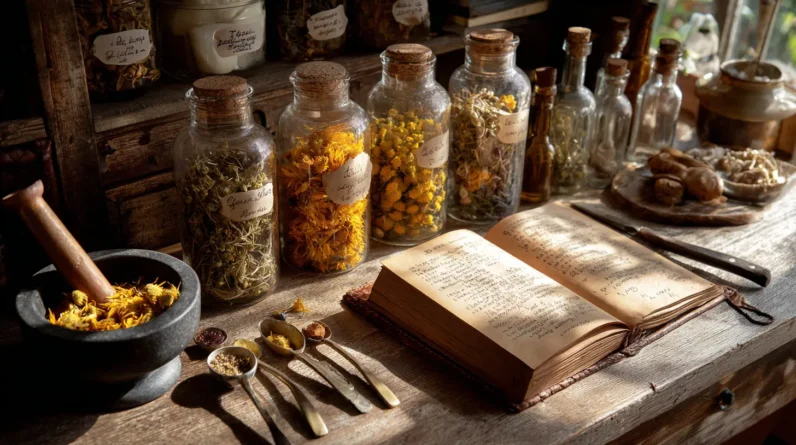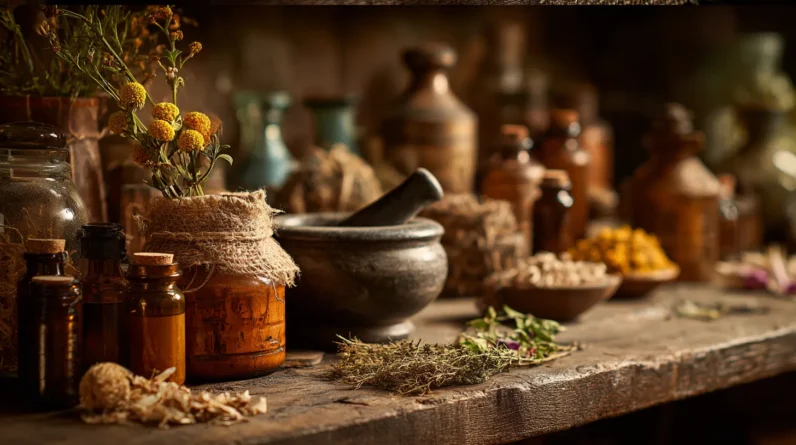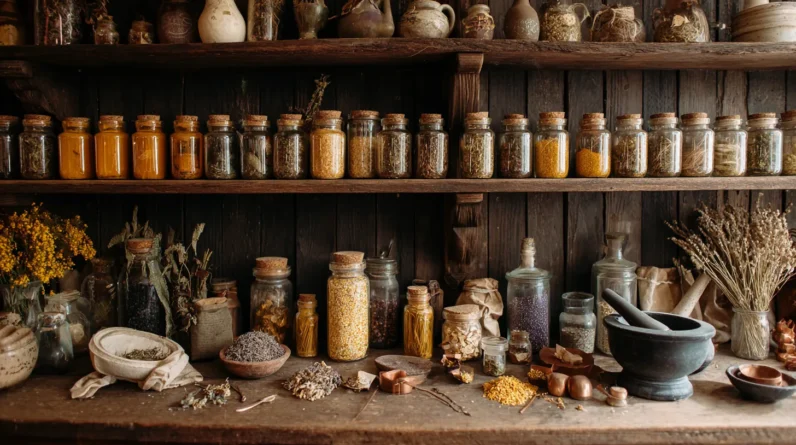
We can transform common herbs into powerful remedies addressing our family’s everyday health needs through simple preparation methods. Teas work best for delicate leaves and flowers, while tinctures create potent extracts using alcohol. Salves combine infused oils with beeswax for topical healing. Essential herbs like ginger, echinacea, and turmeric support digestion, immunity, and inflammation. Proper sourcing, storage, and consulting healthcare providers guarantee safety. Understanding these foundations opens doors to building a personalized home apothecary.
Understanding the Basics of Herbal Medicine
Throughout history, we’ve turned to plants for healing, and today’s scientific research is confirming what traditional cultures have long known: herbs contain powerful compounds that can support our health. Modern herbal research validates these ancient practices by identifying bioactive constituents responsible for therapeutic effects. Understanding botanical history helps us appreciate why certain plants became foundational to healing traditions across continents.
We’re learning that herbs work through multiple pathways—some reduce inflammation, others support immune function, and many contain antioxidants. This complexity makes herbs valuable allies in family wellness. Rather than viewing herbal medicine as alternative, we can integrate it with conventional approaches. By grasping how herbs function at a biochemical level, we make informed decisions about which remedies suit our family’s specific needs and constitution.
Sourcing and Storing Quality Dried Herbs
Once we’ve identified which herbs our family needs, we’re faced with an equally important challenge: finding quality sources and preserving potency. We can source dried herbs from reputable suppliers who verify freshness and purity through testing. Alternatively, herb gardening lets us control cultivation and drying processes ourselves, ensuring ideal quality for herbal infusions and remedies.
Proper storage is critical. We’ll keep dried herbs in airtight containers away from light, heat, and moisture—conditions that degrade potency. Glass jars with tight seals work best. Label everything with purchase or harvest dates; most dried herbs retain efficacy for six to twelve months.
Temperature stability matters too. A cool, dark cabinet beats kitchen counters. By prioritizing quality sourcing and storage, we’re protecting our family’s investment in herbal medicine effectiveness.
Essential Preparation Methods: Teas, Tinctures, and Salves
The foundation of effective herbal medicine lies in how we prepare our dried herbs. We’ll explore three core methods that extract maximum therapeutic value.
Infusion methods work best for delicate plant parts—leaves and flowers. We steep them in hot water, allowing compounds to dissolve fully. This simple technique requires only a teapot and patience.
Tinctures represent our most potent herbal extracts. We submerge dried herbs in alcohol, which pulls out concentrated constituents over weeks. The resulting liquid stores for years, making it ideal for family use.
Salves combine infused oils with beeswax, creating topical remedies for skin conditions. We melt these components together, then cool them into consistent applications.
Each method serves distinct purposes. Understanding when to use each guarantees we’re maximizing therapeutic outcomes for our family’s health needs.
Building Your Home Apothecary: Must-Have Herbs for Family Wellness
Now that we’ve mastered preparation techniques, we’re ready to stock our homes with herbs that’ll handle most common ailments. We’ll start with adaptogenic foundational herbs like ashwagandha and rhodiola for stress management, then add immune supporters such as echinacea and elderberry. For digestive wellness, ginger and peppermint prove invaluable. Include anti-inflammatory powerhouses like turmeric and chamomile for broader family applications.
Building through herbal gardening lets us cultivate these essentials ourselves while strengthening family traditions passed through generations. We’ll preserve harvests as tinctures and dried herbs, ensuring year-round access. Start small—perhaps five core herbs—then expand based on your family’s specific health patterns and climate. This intentional approach transforms our homes into functional wellness centers grounded in evidence-based herbalism.
Safety Considerations and Best Practices for Herbal Remedies
While we’ve built a solid foundation with proven herbs, responsible use requires understanding safety protocols that protect our families from potential risks. We must recognize herbal interactions with medications—some herbs amplify or diminish pharmaceutical effects dangerously. Always consult healthcare providers before combining treatments.
Pediatric precautions demand particular vigilance. Children’s developing systems process substances differently than adults’, requiring lower doses and careful herb selection. We’ll avoid certain potent herbs entirely for young children and prioritize gentler options like chamomile or ginger.
We’re also mindful of quality sourcing, proper identification, and appropriate preparation methods. Standardized dosing prevents overdose complications. By respecting these boundaries and staying informed, we harness herbal medicine’s genuine benefits while minimizing risks for everyone in our household.
Conclusion
We’ve learned that embracing herbal medicine doesn’t require becoming a scientist—though ironically, the more we study plants, the more scientific they become. You don’t need a fancy apothecary to start; your kitchen cabinet’s practically already one. The real magic isn’t in mystical powers but in consistency, proper storage, and honest expectations. We’re simply using nature’s toolkit responsibly, backing tradition with evidence. That’s where genuine wellness lives.