Gentle movements can genuinely reshape a healing exercise routine by working with our body’s recovery biology rather than against it. They stimulate circulation, clear metabolic waste, and activate the parasympathetic nervous system to reduce cortisol. They also preserve joint mobility and neuromuscular coordination without triggering inflammatory flare-ups. We don’t need intensity to make progress — we need consistency within biological thresholds. Keep exploring to discover exactly how to apply these principles.
Why Gentle Movement Works for Healing
When the body is healing, intense exercise can do more harm than good—but that doesn’t mean we should stop moving altogether. Gentle movement stimulates circulation, delivering oxygen and nutrients directly to damaged tissue while clearing metabolic waste. It also activates the parasympathetic nervous system, reducing cortisol levels that otherwise slow cellular repair.
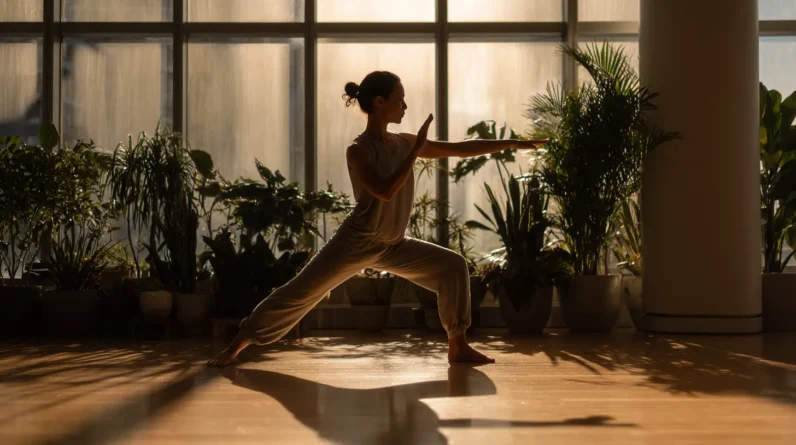
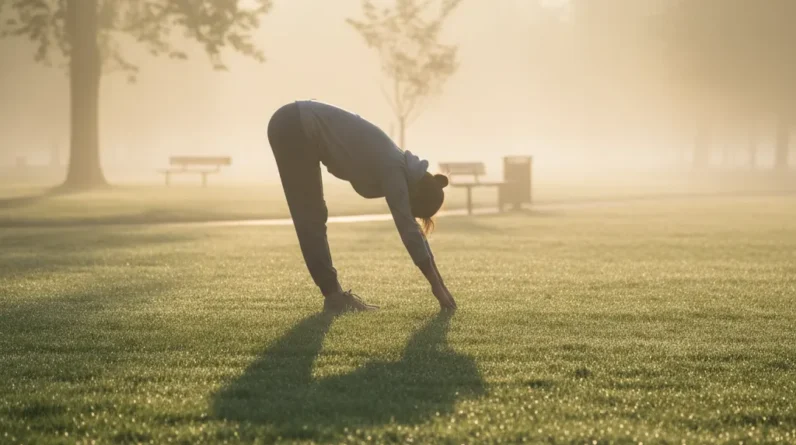
We’re not simply “taking it easy” with gentle movement—we’re working strategically within the body’s current capacity. Low-intensity practices like restorative yoga, tai chi, and controlled walking maintain joint mobility, prevent muscular atrophy, and preserve neuromuscular coordination without triggering inflammatory flare-ups.
The key principle here is load management. By respecting biological thresholds rather than pushing past them, we create the precise conditions that accelerate recovery rather than compromise it.
The Best Low-Impact Exercises for Recovery
Choosing the right low-impact exercises can make or break a recovery plan, so we’ll focus on options that build strength and mobility without overtaxing healing tissue. Swimming and water walking reduce joint load while maintaining cardiovascular demand. Yoga and tai chi develop proprioception, balance, and controlled breathing simultaneously. Resistance band work lets us progressively load muscles while minimizing compressive forces on vulnerable structures. Cycling, particularly on a stationary bike, maintains leg strength and aerobic capacity with minimal impact stress. Walking on even surfaces remains foundational, offering rhythmic movement that stimulates circulation and neuromuscular coordination. Each option shares a key principle: controlled range of motion under manageable load. We should prioritize form over intensity, gradually increasing duration before resistance, ensuring tissue adaptation keeps pace with physical demand.
How to Build a Gentle Healing Routine That Sticks
Building a routine that actually sticks requires more than good intentions—it demands structure, realistic expectations, and small wins that reinforce the habit. We recommend anchoring gentle movement to an existing daily ritual—morning coffee, a lunch break, or an evening wind-down. Consistency thrives on context.
Start with ten-minute sessions and resist the urge to accelerate. We’re retraining our nervous systems alongside our muscles, and overreach sabotages momentum. Track each session, even minimally—a checkmark signals progress and reinforces commitment.
Rotate exercises intentionally. Cycling between stretching, breathwork, and low-load strengthening prevents monotony while addressing multiple recovery dimensions. We should also schedule rest days deliberately—they’re active components of healing, not failures of discipline. When we treat the routine as a practice rather than a task, adherence follows naturally.
Signs You’re Progressing Without Pushing Too Hard
Progress in gentle healing rarely announces itself loudly—it arrives in quiet, cumulative signals we can easily overlook. We’re progressing well when morning stiffness shortens, when movements we once braced against now feel neutral, and when our energy sustains rather than crashes after sessions.
Watch for these reliable indicators: improved sleep quality, reduced baseline tension in previously guarded areas, and a growing sense of embodied confidence during daily tasks. Our breathing becomes less effortful during movement—a subtle but meaningful benchmark.
Critically, we’re not pushing too hard when soreness remains mild and resolves within twenty-four hours. If we’re dreading sessions or noticing mood disruption post-exercise, we’ve likely exceeded our recovery capacity. Sustainable progress feels almost unremarkable—and that steadiness is precisely the signal worth trusting.
When to Advance Your Healing Exercise Routine
Once those quiet signals—shorter stiffness, neutral movement, stable energy—have shown up consistently for two to three weeks, we’re likely ready to advance our routine. Advancement isn’t about intensity—it’s about strategic layering. We add one variable at a time: slightly longer duration, modest resistance increase, or reduced rest intervals. Never all three simultaneously.
We also track adaptation windows carefully. If we introduce a change and symptoms remain neutral for five to seven days, the nervous system has accepted that load. That’s our green light to layer the next variable.
Regression is data, not failure. If discomfort resurfaces after advancing, we scale back one variable and hold that position for another week. Methodical progression compounds over time—that’s what separates sustainable recovery from repeated setbacks.
Frequently Asked Questions
Can Gentle Movement Exercises Help With Chronic Pain Management Long-Term?
Yes, gentle movement exercises can absolutely help us manage chronic pain long-term. They’ll reduce inflammation, improve flexibility, and retrain our nervous system’s pain response, making daily functioning considerably more manageable over time.
Are There Specific Breathing Techniques to Pair With Gentle Healing Exercises?
We’ll find diaphragmatic breathing pairs powerfully with gentle healing exercises. Inhale deeply through your nose during preparation, exhale slowly through pursed lips during movement, and synchronize breath with motion to amplify relaxation, reduce tension, and deepen pain relief.
How Does Sleep Quality Affect the Success of a Gentle Movement Routine?
Poor sleep undermines our gentle movement practice by limiting tissue repair, reducing focus, and increasing inflammation. We’ll see better flexibility, faster recovery, and deeper mind-body connection when we’re consistently getting seven to nine quality hours nightly.
Should I Consult a Doctor Before Starting Any Gentle Healing Exercise Program?
Yes, we recommend consulting a doctor before starting any gentle healing exercise program. They’ll assess your specific health conditions, identify limitations, and help us tailor movements that maximize recovery while minimizing injury risks.
Can Gentle Movement Exercises Be Safely Performed During Pregnancy or Postpartum?
Yes, we can safely perform gentle movement exercises during pregnancy and postpartum, but we must consult our healthcare provider first, as they’ll tailor recommendations to our specific trimester, recovery stage, and individual health needs.
Conclusion
We are aware of what you might be contemplating—gentle movement sounds too effortless to make a genuine difference. But that’s precisely the point. We do not require intensity to heal; we need steadfastness. Small, intentional movements rebuild strength, restore mobility, and signal safety to our nervous system. By respecting our body’s current limits, we’re not giving up on progress—we’re establishing the foundation for lasting, sustainable recovery.