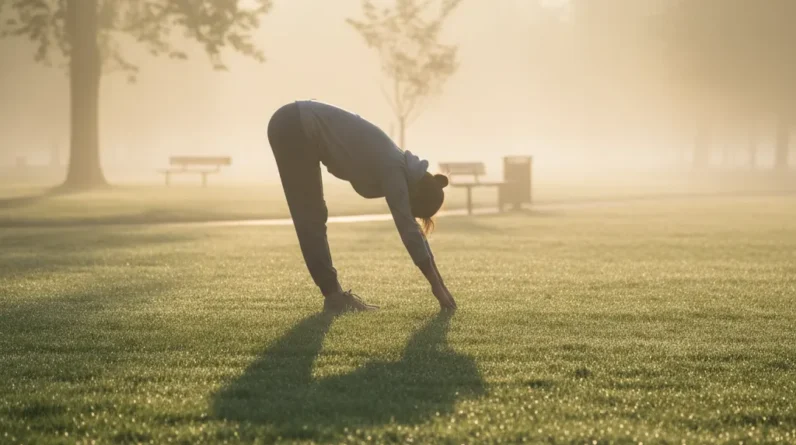
When trust breaks down, our bodies hold that wound as physical threat — tightening muscles, shallowing breath, flooding us with stress hormones. Healing means negotiating with those sensations directly, not just thinking our way through them. Gentle movements like diaphragmatic sighs, grounded heel drops, and slow neck rolls begin signaling safety to an overwhelmed nervous system. Consistent, intentional repetition gradually rewires how we feel from the inside out. There’s much more to uncover ahead.
Why Trust Breaks Down in the Body First
When trust shatters—whether through betrayal, trauma, or prolonged stress—our bodies register it before our minds fully process it. The nervous system treats relational rupture like physical threat, flooding us with cortisol and activating hypervigilance. Muscles tighten. Breath shallows. Posture collapses inward as a protective measure.
This isn’t weakness—it’s biology. Our autonomic nervous system doesn’t distinguish between a bear charging and a partner’s betrayal. Both trigger the same survival circuitry.
The problem emerges when that activation becomes chronic. We stay braced. We stop moving fluidly. We lose access to the felt sense of safety that genuine trust requires.
Rebuilding trust, then, can’t start solely in the mind. It must begin where the breakdown lives—inside the body itself.
Small Movements That Signal Safety to Your Nervous System
We don’t need grand gestures. We need precision.
Start here:
- Slow neck rolls — let gravity do the work, releasing the jaw as you go, noticing the weight of your own head
- Grounded heel drops — stand, rise to your toes, then let your heels fall gently, sending subtle vibration up through your spine
- Diaphragmatic sighs — inhale through the nose, then exhale audibly, letting your shoulders drop with every breath
These aren’t warm-ups. They’re negotiations between mind and body — small promises your nervous system learns to believe again.
Somatic Exercises That Rebuild Trust From the Inside Out
Most of us carry old fear in our bodies long after our minds have moved on — and somatic exercises work precisely because they bypass the thinking brain and speak directly to stored sensation. Try pendulation: consciously shift attention between a neutral or pleasant body region and a distressed one, teaching your nervous system that safety exists alongside discomfort. Practice titration by approaching difficult sensations in small, manageable doses rather than flooding yourself. Grounding sequences — pressing feet firmly into the floor, tracking that contact, breathing into it — anchor present-moment reality against the pull of old threat responses. These aren’t relaxation techniques; they’re precision tools for rewiring autonomic patterning. Consistent, intentional practice gradually shifts your baseline from braced vigilance toward genuine trust in your own body’s capacity to regulate.
How Gentle Repetition Rewires Your Sense of Safety
Somatic work gives us the raw material — regulated sensation, body awareness, present-moment anchoring — but repetition is what actually builds the new neural architecture. Each time we return to a calming movement without crisis forcing us there, we’re voting for a different story about safety.
Think of it this way:
- A candle lit once flickers and dies; a candle lit daily becomes a ritual the body anticipates
- Roots don’t anchor soil after one rain — they weave deeper through countless seasons
- A worn footpath through tall grass only appears after many deliberate crossings
That’s exactly what we’re doing neurologically. Consistent, gentle repetition signals the nervous system that safety isn’t accidental — it’s structural. We’re not hoping for calm. We’re installing it.
When to Push Forward and When to Rest in Healing
How do we comprehend when healing asks us to lean in — and when it’s asking us to stop? The nervous system signals both invitations. Learning to distinguish them separates reactive movement from intentional recovery.
| Signal | Push Forward | Rest |
|---|---|---|
| Energy | Steady, grounded | Depleted, fragmented |
| Emotion | Mild discomfort | Overwhelm or shutdown |
| Body | Slight tension, manageable | Bracing, collapse, or pain |
When we notice grounded steadiness, we can expand our edge — add duration, depth, or complexity. When we notice fragmentation, rest isn’t failure; it’s recalibration.
We don’t override fatigue to prove resilience. Real mastery means reading our internal data accurately, honoring both momentum and stillness as equally valid phases of rebuilding trust.
Frequently Asked Questions
Can Healing Exercises Replace Therapy for Trauma Recovery?
Healing exercises can’t replace therapy for trauma recovery, but they’re powerful complements. We use movement to rebuild safety in our bodies while professional support addresses the deeper psychological wounds that need expert guidance.
How Long Does It Take to Rebuild Trust Through Movement?
There’s no fixed timeline—we’re each wired differently. Consistent, intentional movement practiced daily can shift our nervous system’s baseline within weeks, but deepening embodied trust often unfolds over months of patient, compassionate repetition.
Are These Exercises Safe During Pregnancy or Postpartum Recovery?
Some exercises are safe, but we’d strongly recommend consulting your OB or midwife first. During pregnancy and postpartum recovery, we must modify intensity, avoid certain positions, and prioritize pelvic floor awareness before progressing.
Can Children Benefit From Somatic Trust-Rebuilding Exercises Too?
Yes, children absolutely benefit from somatic trust-rebuilding exercises. We can adapt breath-based grounding, rhythmic movement, and gentle boundary-setting practices to their developmental stage, helping them regulate their nervous systems and cultivate secure attachment patterns early.
Do I Need Special Equipment to Begin These Healing Movements?
We don’t need anything but our bodies—yet here’s what surprises most: the simplest movements, breath, grounding, and intentional stillness, unveil the deepest somatic shifts, bypassing years of armor we’ve unknowingly built.
Conclusion
We’ve walked through ways to weave warmth back into a wounded body. Trust takes time, tenderness, and tiny, thoughtful steps that signal safety to your nervous system. We don’t rush this rebuilding—we respect it. Every gentle gesture, every mindful movement, matters more than we realize. So let’s keep showing up, softly and steadily, because healing isn’t a destination we race toward—it’s a rhythm we learn to live within.