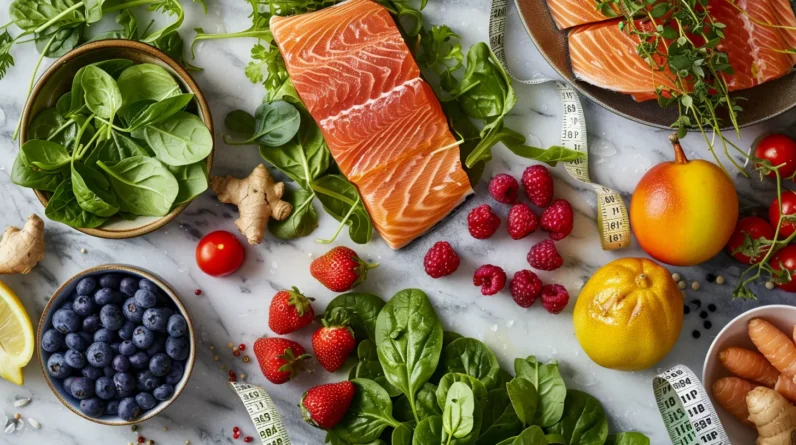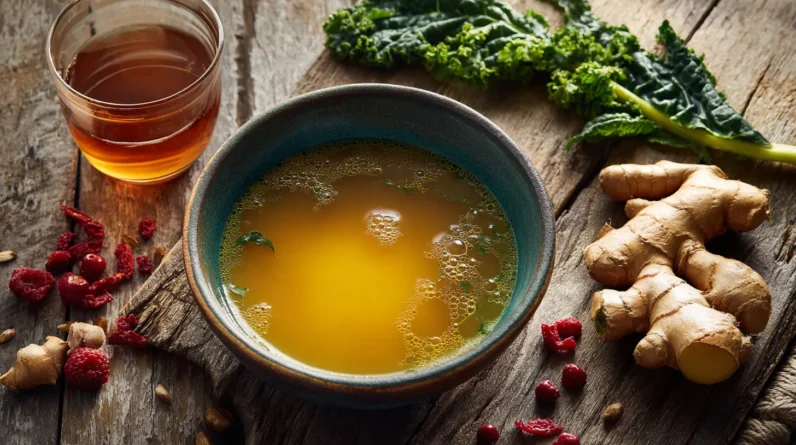
We can’t heal while chronic inflammation runs rampant—persistent cytokines and oxidative stress actively block the cellular repair mechanisms your body needs to recover. Anti-inflammatory nutrients like omega-3 fatty acids, polyphenols, and zinc modulate immune signaling and neutralize reactive oxygen species, restoring your metabolic foundation. Prioritizing seasonal produce, gut-supportive fiber, and limiting processed foods creates the conditions for genuine recovery. When we track biomarkers alongside symptom improvements, we uncover your personalized nutritional strategy for accelerated healing.
How Chronic Inflammation Blocks Healing
When we’re caught in a cycle of chronic inflammation, our body’s repair mechanisms become compromised. The root causes of chronic inflammation—persistent pathogens, oxidative stress, or dietary triggers—keep our body’s inflammatory response mechanisms perpetually activated. This sustained activation exhausts immune resources and impairs tissue regeneration.
Elevated cytokines and inflammatory markers like IL-6 and TNF-α interfere with growth factors necessary for cellular repair. Fibroblasts can’t efficiently produce collagen, epithelial cells struggle to regenerate, and neurological recovery slows dramatically. The continuous production of reactive oxygen species damages mitochondrial function, further depleting our energy reserves for healing.
We’re fundamentally locked in a maladaptive loop where inflammation prevents the very recovery we need. Breaking this cycle requires targeting the underlying inflammatory drivers while supporting our body’s capacity to shift toward resolution and regeneration.
The Anti-Inflammatory Nutrients That Drive Recovery
Breaking free from chronic inflammation’s grip requires us to strategically supply our body with specific nutrients that actively downregulate inflammatory pathways and restore metabolic capacity for healing. Omega-3 fatty acids, polyphenols, and curcumin modulate NF-κB signaling, reducing pro-inflammatory cytokine production. Zinc and selenium function as essential cofactors for antioxidant enzymes, neutralizing reactive oxygen species that perpetuate inflammation.
We must recognize that nutrient absorption rates depend critically on gut microbiome balance. Dysbiosis impairs tight junction integrity and reduces short-chain fatty acid production, compromising our capacity to absorb these therapeutic compounds. Prebiotic fiber and fermented foods restore bacterial diversity, enhancing nutrient bioavailability and strengthening the intestinal barrier.
This metabolic foundation positions your body for genuine recovery.
Foods to Prioritize and Foods to Limit
Now that we’ve established the nutritional mechanisms supporting recovery, we can operationalize this knowledge through strategic food selection. Prioritize seasonal produce selection to maximize micronutrient density and phytochemical diversity—seasonal crops contain peak antioxidant concentrations. Emphasize gut supportive fiber sources including legumes, cruciferous vegetables, and intact grains, which feed beneficial microbiota and strengthen intestinal barrier function.
Conversely, limit ultra-processed foods, refined carbohydrates, and excess omega-6 polyunsaturated fats, which potentiate systemic inflammation. Minimize added sugars that dysregulate glucose homeostasis and promote inflammatory cascades. Reduce seed oils that skew omega-6 to omega-3 ratios unfavorably.
This framework creates metabolic conditions optimizing the nutrient-dependent recovery mechanisms we’ve outlined—shifting from pro-inflammatory to anti-inflammatory signaling at the cellular level.
Building an Anti-Inflammatory Eating Pattern That Lasts
Sustainable dietary adherence hinges on translating isolated food choices into coherent eating patterns that align with individual preferences, cultural contexts, and practical constraints. We’ll establish frameworks through mindful meal planning, which reduces decision fatigue and strengthens compliance. Sustainable food sourcing—prioritizing local, seasonal options—enhances both nutritional quality and economic feasibility while supporting ecological resilience.
We’re integrating anti-inflammatory principles into existing dietary structures rather than adopting restrictive protocols. This approach leverages behavioral psychology; gradual modifications demonstrate superior long-term outcomes compared to abrupt dietary overhauls. We’ll emphasize batch preparation, strategic pantry stocking, and flexible substitution strategies that accommodate social contexts.
Success requires acknowledging individual variability in inflammatory responses and micronutrient absorption. We’ll monitor biomarkers and subjective markers—energy levels, joint mobility, inflammatory symptoms—adjusting macronutrient ratios and food selections accordingly, ensuring personalized optimization.
Tracking Progress: When Diet Shifts Your Healing Timeline
Once we’ve established our personalized anti-inflammatory eating pattern, we need concrete mechanisms to quantify how dietary modifications affect our inflammatory status and recovery trajectory. We’ll track biomarkers like C-reactive protein, erythrocyte sedimentation rate, and cytokine levels alongside subjective metrics—pain scores, mobility range, energy fluctuations. Understanding recovery expectations requires recognizing that anti-inflammatory benefits aren’t linear; we’ll observe initial responses within 2-4 weeks, with deeper systemic shifts materializing over 8-12 weeks. Managing healing milestones involves documenting correlations between dietary adherence and symptom improvements, identifying personal response patterns. We’re establishing baseline measurements, then reassessing quarterly, allowing us to distinguish genuine inflammatory reduction from placebo effects. This data-driven approach enables us to optimize our nutritional strategy precisely, adjusting macronutrient ratios and food selections based on measurable outcomes rather than assumptions.
Conclusion
We’ve basically figured out that stuffing ourselves with inflammatory foods while expecting miraculous healing is—shockingly—ineffective. Who knew? By strategically deploying anti-inflammatory nutrients and ditching processed garbage, we’re not defying biology; we’re respecting it. The evidence-based reality? Consistent dietary modifications demonstrably reduce inflammatory markers and accelerate tissue repair. It’s unsexy, requires discipline, but the cytokine data doesn’t lie. Your recovery timeline depends on whether you’ll actually commit to it.