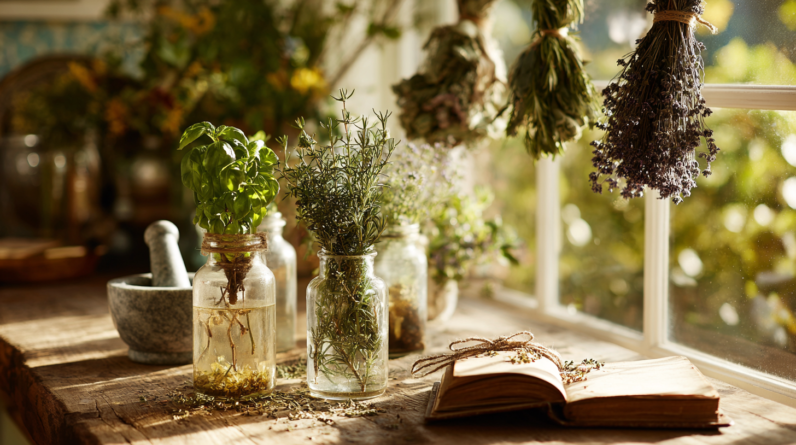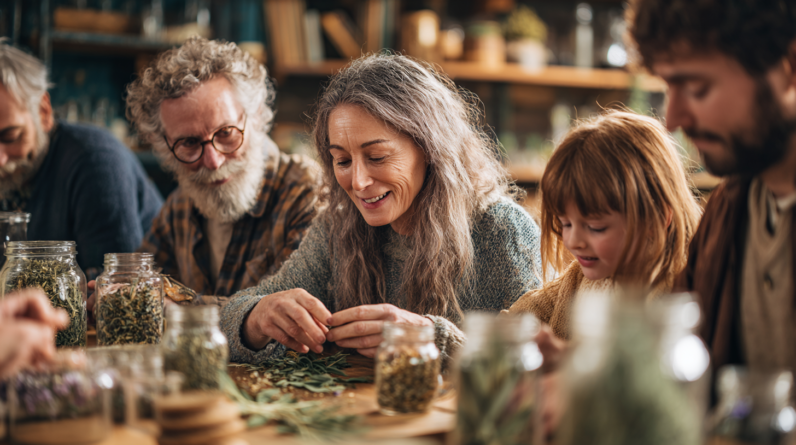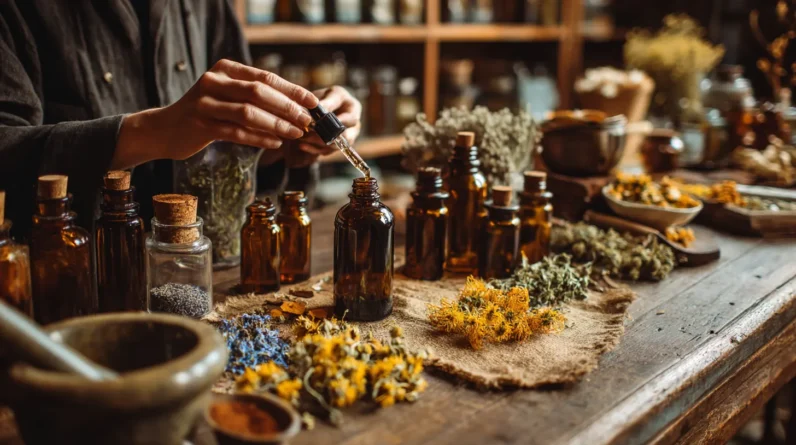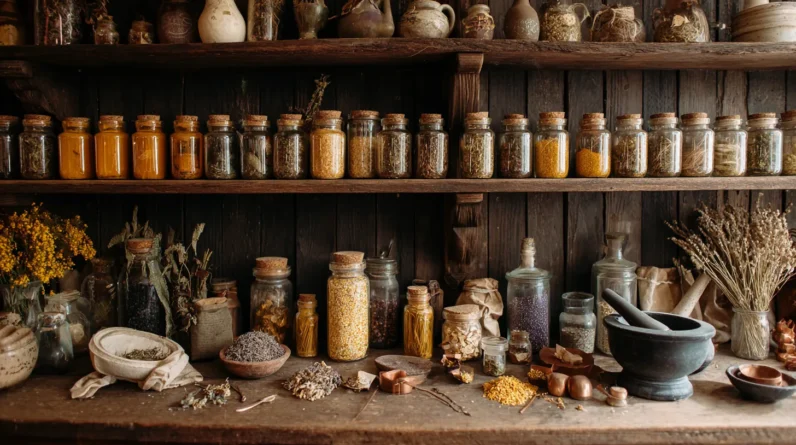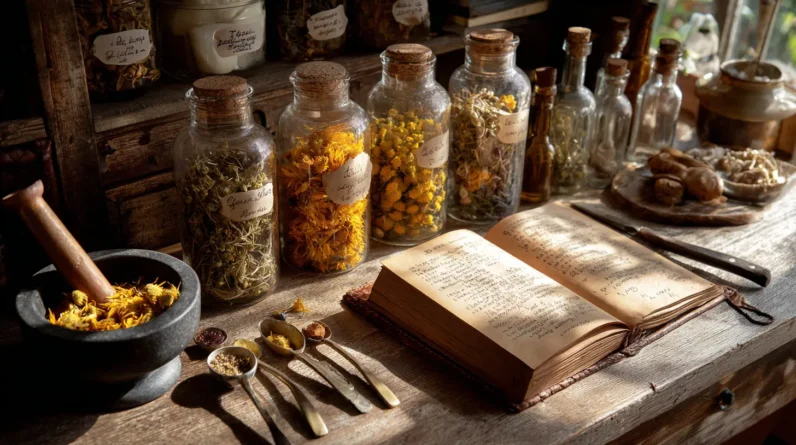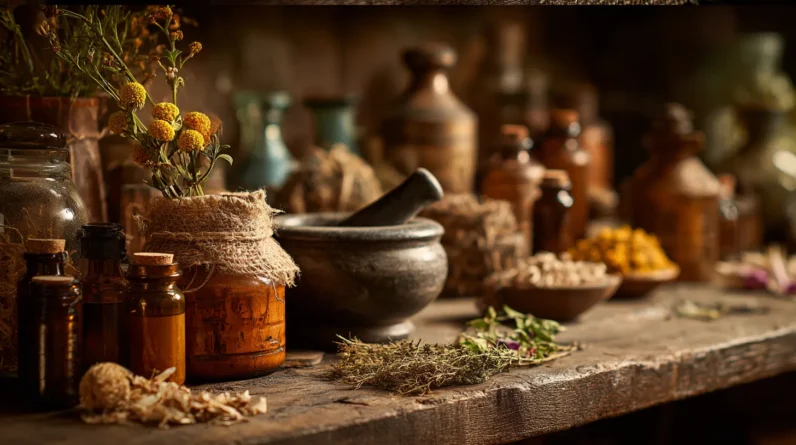
We’re reclaiming botanical wisdom that science now validates. Ginger settles digestion. Elderberry supports immunity. Chamomile eases anxiety. Turmeric addresses inflammation. Echinacea promotes respiratory health. These plants contain bioactive compounds—alkaloids, flavonoids, polyphenols—that interact meaningfully with our bodies. We’ve prepared them safely for generations: tinctures, infusions, fresh preparations. Growing them ourselves guarantees quality and potency. When we integrate these remedies into morning teas, meals, and evening rituals, we build accessible wellness without synthetic interventions. Your family’s journey into herbal medicine deepens from here.
The Science Behind Traditional Plant Medicine
While modern medicine often dismisses herbal remedies as unproven folk wisdom, we’re discovering that traditional plant medicine rests on a foundation of legitimate biochemistry. Contemporary botanical research validates what healers have known for centuries: plants contain bioactive compounds that interact meaningfully with our physiology.
We’re now mapping plant chemistry at the molecular level, identifying alkaloids, flavonoids, and polyphenols responsible for therapeutic effects. This rigorous investigation doesn’t diminish traditional knowledge—it confirms it. We’re learning that indigenous practitioners weren’t guessing; they were conducting sophisticated, multigenerational experiments in plant pharmacology.
We recognize that mastery in family wellness requires understanding both ancestral wisdom and modern science. By bridging these approaches through evidence-based botanical research, we access nature’s sophisticated chemical arsenal while maintaining scientific rigor.
Essential Herbs for Common Family Ailments
Now that we’ve established how plants work at the biochemical level, we can apply this knowledge to the remedies our families actually need. We’re shifting from theory to practice, grounding ourselves in both tradition and evidence.
Our family remedies draw from centuries of empirical use, validated increasingly by modern research. These herbal tonics address the ailments we encounter most frequently:
- Ginger for digestive upset and nausea
- Elderberry for immune support during cold season
- Chamomile for anxiety and sleep quality
- Turmeric for inflammatory responses
- Echinacea for respiratory wellness
We’re not replacing clinical care but rather complementing it thoughtfully. Each herb carries specific constituents that interact predictably with our physiology. By understanding both traditional applications and biochemical mechanisms, we’re equipped to support our families’ wellness with intention and confidence.
Safe Preparation and Dosage Guidelines
Precision in preparation and dosage separates effective herbal support from ineffective—or potentially harmful—practice. We must respect herbs’ potency by measuring carefully: tinctures typically call for 1-2 teaspoons three times daily, while infusions need 1 ounce dried herb per pint of water. Herbal safety depends on understanding each plant’s contraindications, particularly with medications or pregnancy. We’ll store dried herbs in cool, dark containers away from moisture and light—they’re potent for roughly one year. Fresh preparations demand immediate use or refrigeration. We shouldn’t exceed recommended dosages, thinking more yields better results; toxicity risks increase substantially. Consulting herbal references and practitioners guarantees we’re using evidence-based protocols while honoring traditional wisdom. This mastery protects our families while maximizing therapeutic benefits.
Growing and Sourcing Quality Herbs at Home
Cultivating our own medicinal herbs gives us control over quality, potency, and purity—essentials that commercial sourcing can’t always guarantee. Through deliberate herb gardening and medicinal landscaping, we’re reclaiming ancestral knowledge while ensuring botanical integrity.
We’ll optimize our cultivation by:
- Selecting heirloom varieties with documented therapeutic properties
- Implementing soil testing to verify nutrient density
- Timing harvests according to phytochemical peaks
- Employing organic pest management without synthetic residues
- Establishing seed-saving protocols for propagation
Strategic placement transforms our growing spaces into functional medicine cabinets. Whether we’re cultivating echinacea for immune support or chamomile for digestive wellness, direct control over growing conditions means we’re working with plants at their most potent. This mastery-level approach bridges traditional herbalism with modern horticultural science, creating a sustainable wellness foundation for our families.
Integrating Herbal Remedies Into Your Daily Routine
Once we’ve cultivated our medicinal herbs, the real work begins: weaving them seamlessly into our family’s everyday wellness practices. Strategic herbal routines transform prevention from concept to lived experience. We’re establishing morning tea rituals with immune-supporting blends, incorporating digestive herbs into meals, and creating evening wind-down practices with calming infusions.
For family wellness, consistency matters more than complexity. Start by anchoring one herbal practice—perhaps a daily adaptogenic tea or weekly herbal bath—then build gradually. We’re documenting what works, noting seasonal adjustments, and observing how individual family members respond differently.
This integration honors traditional knowledge while respecting individual physiology. We’re not replacing medical care; we’re creating supportive layers that enhance our family’s resilience and energy through intentional, evidence-informed practice.
Knowing When to Seek Professional Medical Guidance
While herbal practices strengthen our family’s wellness foundation, we recognize they work best alongside conventional medicine, not as replacements. We’ve learned to discern when professional guidance becomes essential.
We seek medical attention for:
- Medical emergencies requiring immediate intervention
- Persistent symptoms lasting beyond two weeks
- Severe pain or unexplained physiological changes
- Interactions between herbs and prescribed medications
- Conditions affecting vulnerable family members (infants, elderly, pregnant individuals)
Our approach integrates both healthcare options strategically. We consult practitioners who understand herbal medicine’s scope and limitations, ensuring thorough care. This dual methodology honors traditional plant wisdom while leveraging modern diagnostic tools. We’ve discovered that informed collaboration between herbalists and physicians optimizes outcomes. Recognizing boundaries between self-care and professional necessity protects our family’s wellbeing and demonstrates responsible stewardship of complementary health practices.
Conclusion
We’ve explored how herbal medicine plants roots deep within our family’s wellness journey. By understanding science-backed traditions and respecting professional boundaries, we’re not replacing modern medicine—we’re building bridges between old wisdom and new health. Growing our own herbs connects us to nature’s pharmacy while honoring generations before us. Your family’s path to vibrancy blooms when we blend evidence, tradition, and intuition thoughtfully.