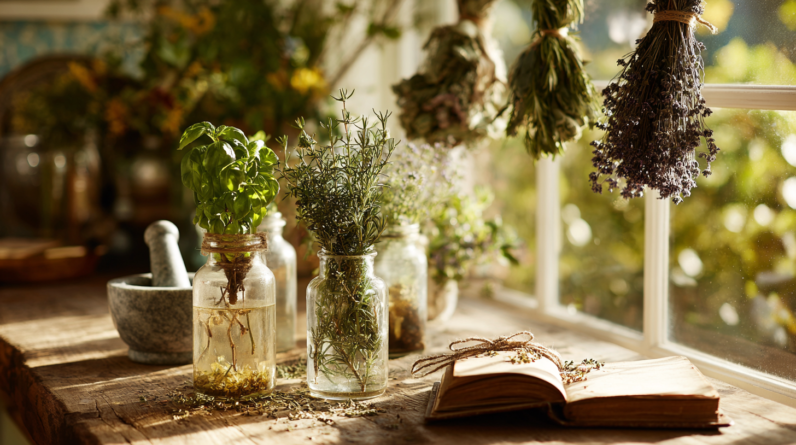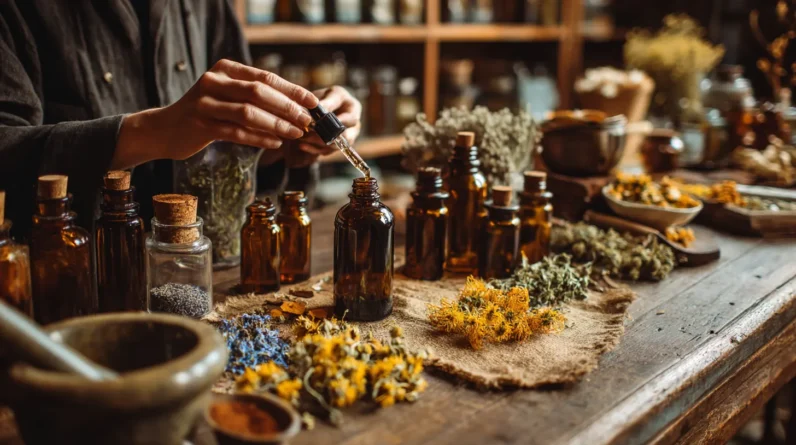
We’re discovering that herbs offer our families gentler pathways to wellness that pills often overlook. Ginger soothes digestion, elderberry strengthens immunity, and chamomile eases tension—each addressing what troubles us at its source. We can source quality herbs from trusted apothecaries, store them properly, and prepare them through infusions and decoctions that preserve their natural potency. Working alongside our healthcare providers, we’re finding that herbs complement conventional care beautifully. Understanding preparation methods, dosing carefully with children, and monitoring responses transforms how we nurture our families’ health in ways that go far deeper.
Essential Herbs for Common Family Ailments
When we shift our approach to wellness away from synthetic remedies, we’ll discover that many herbs offer gentle yet meaningful support for the everyday ailments that affect our households. Our herb profiles guide practical application: ginger addresses digestive upset and inflammation, while elderberry supports immune resilience during seasonal challenges. Chamomile calms nervous tension, and thyme tackles respiratory congestion naturally.
We’ll craft herbal recipes tailored to our family’s needs—infusions for chronic support, tinctures for quick access, poultices for localized concerns. Turmeric combines with black pepper to enhance absorption. Honey-based syrups deliver palatability for reluctant children.
These botanical allies work synergistically within our bodies’ inherent healing capacity. We’re not replacing medical guidance but expanding our wellness toolkit with time-tested plant wisdom that honors our family’s individual constitution and seasonal vulnerabilities.
Safety Guidelines for Using Herbs With Children
As we introduce our children to herbal remedies, our responsibility shifts from simply selecting the right plants to ensuring we’re using them wisely and well. Child dosages require careful calibration—we can’t simply reduce adult amounts proportionally. We must account for developmental stages, body composition, and metabolic differences.
Herbal interactions demand our attention too. Certain herbs may conflict with medications or other plants, creating unexpected effects. We’re wise to research combinations thoroughly before combining remedies.
Start conservatively with single herbs before progressing to blends. Monitor responses closely, watching for sensitivities or adverse reactions. Consider age-appropriate delivery methods—teas suit older children better than tinctures for younger ones.
This mastery-level approach honors both nature’s potency and our children’s vulnerability. Our diligence protects them while building their resilience naturally.
How to Source and Store Herbal Remedies
We’ve established safe protocols; now we must secure quality herbs from trustworthy sources. Herbal sourcing demands diligence—seek suppliers who provide transparency about cultivation practices and testing methods. Reputable herbalists and specialized apothecaries offer superior quality compared to mass-market retailers.
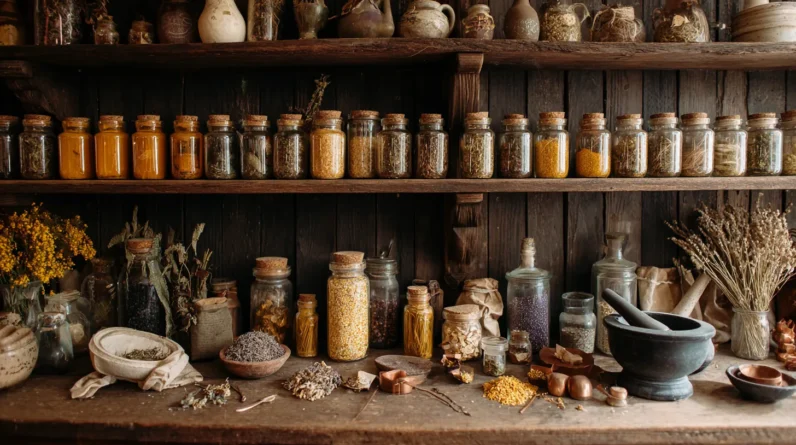
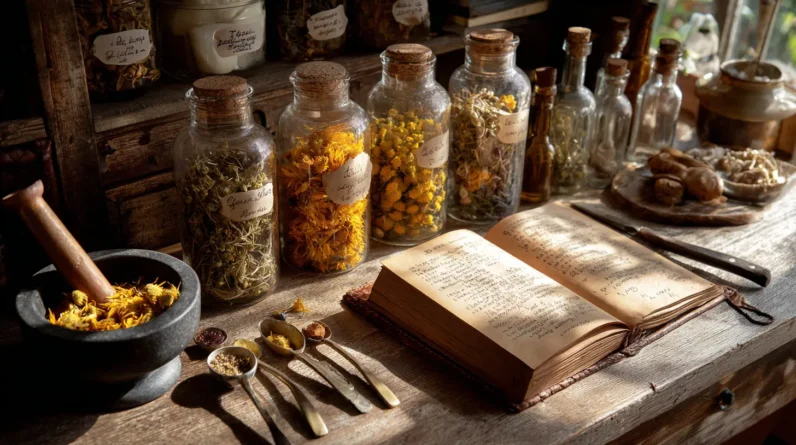
Remedy storage directly impacts efficacy. We’ll preserve potency by keeping dried herbs in airtight glass containers away from direct sunlight, heat, and moisture. Cool, dark spaces—like dedicated cabinets or drawers—maintain herb integrity for extended periods. Label everything with acquisition dates; most dried herbs retain ideal properties for one to three years.
Tinctures and infusions require similar attention: store in dark glass bottles in cool environments. Properly sourced and stored remedies honor both plant medicine’s potential and our commitment to family wellness.
Integrating Herbs With Conventional Medical Care
While herbal remedies offer valuable therapeutic support, they don’t replace conventional medicine—they complement it. We’re adopting a holistic approach by viewing herbs and pharmaceuticals as collaborative tools rather than opposing forces.
Communication with your child’s healthcare provider remains essential. Share what herbs you’re considering, including dosages and frequency. Some herbs interact with medications or affect treatment efficacy, so transparency prevents complications.
We’re implementing preventive measures through herbal support—strengthening immunity and addressing root causes—while relying on conventional medicine for acute conditions requiring immediate intervention. This integrated framework maximizes therapeutic outcomes.
Think of herbs as foundational wellness allies and conventional medicine as specialized intervention when needed. Mastery comes from understanding each system’s strengths and deploying them strategically within your family’s health journey.
Practical Methods for Preparing and Administering Herbal Treatments
Preparation method fundamentally shapes an herb’s therapeutic potency. We’ve discovered that how we extract and deliver botanicals directly influences their efficacy. Herbal infusions—steeping aerial parts in hot water—preserve delicate compounds while releasing water-soluble constituents. For woody materials, decoctions work better, simmering roots and bark longer to draw deeper properties.
We’re learning that medicinal gardening connects us to our remedies’ quality control. Growing herbs ourselves guarantees purity, potency, and freshness that commercial sources can’t guarantee. Tinctures using alcohol extraction create concentrated preparations with extended shelf lives, while fresh preparations maintain living energetics many practitioners value.
We’re mastering teas, salves, and poultices—each method targeting specific therapeutic goals. Understanding these practical applications empowers us to administer treatments matching our family’s constitutional needs and health objectives.
Conclusion
We’ve explored how herbs offer us gentler pathways through childhood’s common troubles. It’s remarkable—just as our ancestors discovered healing plants through generations of observation, we’re rediscovering what nature’s already provided. Our gardens hold remedies we’d forgotten existed. By honoring both traditional wisdom and modern caution, we’re reclaiming our role as healers. We don’t need to choose between nature and care; we’re learning they’ve always worked together.