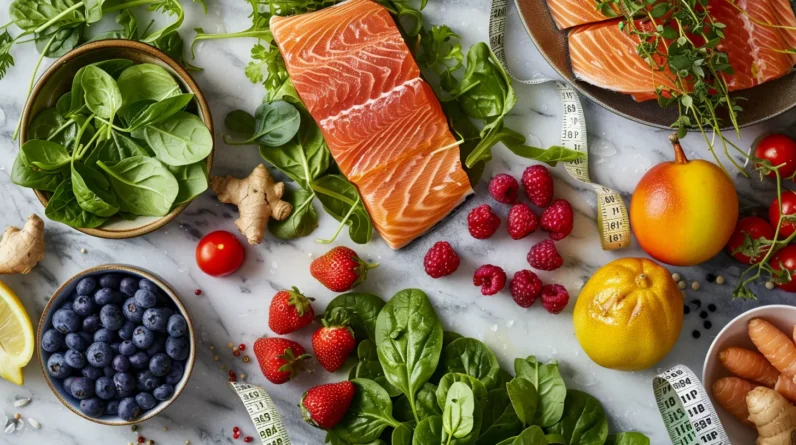
Your body needs strategic nutrition to heal effectively. Aim for 1.2-2.0g protein per kilogram of body weight daily, paired with adequate calories to support cellular regeneration. Prioritize vitamin C, zinc, and vitamin D while eating nutrient-dense foods like lean proteins, bone broth, and vegetables. Distribute calories across five to six smaller meals spaced three to four hours apart. We’ll show you how to build a personalized plan that evolves with your recovery journey.
The Protein and Calorie Boost Your Healing Body Needs
When we’re recovering from illness, our bodies demand more energy and building blocks than usual. High quality protein sources—including lean meats, legumes, eggs, and dairy—facilitate tissue repair and immune function. We’ll need approximately 1.2 to 2.0 grams of protein per kilogram of body weight daily during recovery phases.
Strategic nutrient timing amplifies healing outcomes. Consuming protein within two hours post-meal optimizes muscle protein synthesis when our bodies are primed for absorption. We shouldn’t overlook caloric needs either; undereating compromises recovery velocity and immune response.
Combining adequate calories with protein-rich foods creates the metabolic environment necessary for cellular regeneration. We’re fundamentally providing our bodies the precise fuel and materials required for restoration, enabling faster return to baseline function and strength.
Vitamins and Minerals That Repair Tissue and Restore Immunity
Beyond protein and calories, we must strategically replenish micronutrients that directly orchestrate healing—vitamin C synthesizes collagen for wound closure and tissue integrity, zinc accelerates immune cell proliferation and protein metabolism, and vitamin D regulates inflammatory responses while supporting bone mineralization. Antioxidant nutrients like selenium and vitamin E neutralize oxidative stress that impairs recovery. We’ll find that immune boosting supplements containing iron support oxygen transport and white blood cell function, while B vitamins facilitate energy metabolism essential for tissue repair. Magnesium modulates inflammatory pathways and supports enzymatic reactions. Strategic micronutrient repletion addresses physiological demands unique to post-illness recovery, enhancing immune restoration and accelerating return to baseline function. Targeted supplementation, guided by clinical assessment, optimizes tissue healing trajectories and strengthens immunological resilience during vulnerability windows.
Foods to Prioritize and Foods to Avoid During Recovery
As our bodies mobilize resources to repair tissue and restore immunity, the foods we consume directly determine whether we’re supplying or hindering this metabolic work. Prioritize easily digestible carbs like white rice and oatmeal alongside lean proteins to support muscle synthesis and energy restoration. Include nutrient-dense vegetables, bone broth, and restorative beverages such as herbal teas and nutrient-fortified broths to facilitate healing.
Simultaneously, we must eliminate obstacles to recovery. Avoid ultra-processed foods, excess sodium, and refined sugars that trigger inflammation and deplete our nutrient reserves. Limit high-fiber foods temporarily, as they demand extensive digestive effort when our systems require conservation of energy for healing. Eliminate caffeine and alcohol, which compromise immune function and nutrient absorption during this critical window.
How Much to Eat: Portion Sizes and Meal Timing for Healing
Selecting the right foods represents only half the recovery equation; we must also calibrate our intake to match our body’s healing capacity. Increased meal frequency—typically five to six smaller meals daily—sustains steady nutrient delivery without overwhelming digestive resources. We’re distributing approximately 25-30% of daily calories across three main meals while reserving 10-15% for strategic snack timing between them.
Portion sizes should align with individual tolerance; we’re aiming for quantities that feel satisfying without inducing fatigue. Spacing meals three to four hours apart optimizes nutrient absorption and maintains stable energy levels critical for tissue repair. We’re emphasizing consistent timing patterns, as our bodies adapt metabolically to predictable feeding schedules, enhancing recovery efficiency and supporting immune function during this vulnerable period.
Building Your Post-Illness Nutrition Plan That Actually Works
How do we translate nutritional principles into a sustainable, personalized recovery strategy? We integrate evidence-based meal preparation strategies with intentional mindful eating habits.
Your plan should address three critical elements:
- Assessment phase: Evaluate your current nutritional status, energy expenditure, and specific deficiencies from illness
- Implementation framework: Develop realistic meal prep routines that align with your recovery timeline and digestive capacity
- Monitoring system: Track progress through objective metrics—energy levels, strength gains, wound healing—and adjust accordingly
We recommend building flexibility into your approach. Your nutritional needs evolve as recovery progresses. Establish clear accountability measures and periodic reassessment intervals. This methodology guarantees your plan remains responsive to your body’s changing demands while maintaining consistency necessary for ideal healing and strength restoration.
Conclusion
We’ve presented the absolute game-changing nutritional blueprint that’ll propel your recovery into overdrive. You’re now equipped with powerhouse strategies—protein-packed meals, immune-boosting vitamins, strategic timing, and foods that’ll practically reconstruct you from the inside out. Don’t squander this knowledge: implement these evidence-based principles immediately. Your healing body’s demanding real fuel, not excuses. Follow this plan relentlessly, and you’ll witness transformation that’ll astound you. Recovery’s within your reach—seize it.