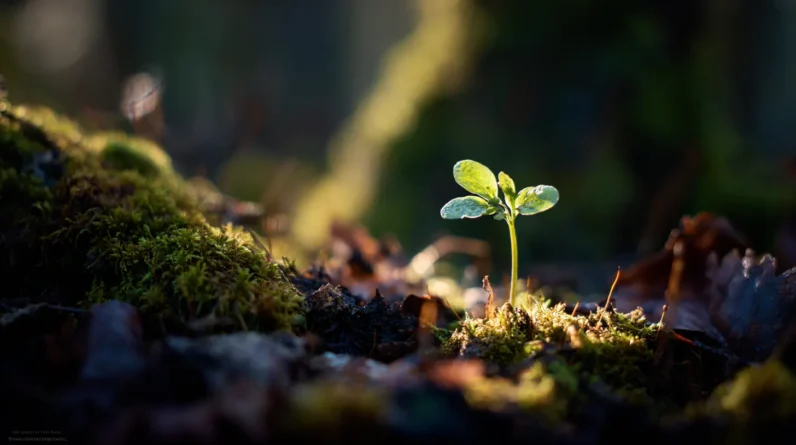
We’ve forgotten how to grow the way nature does—with patience as our greatest teacher rather than our greatest obstacle. Seeds teach us that meaningful development happens beneath the surface, in seasons of stillness we’re taught to fear. Resilience isn’t forced; it emerges through gentle cycles and adaptive flexibility. When we soften our impatient selves with curiosity instead of criticism, we discover that climbing higher requires three points anchored while one explores—a rhythm that reveals perspectives impossible to rush.
The Slow Germination of Meaningful Development
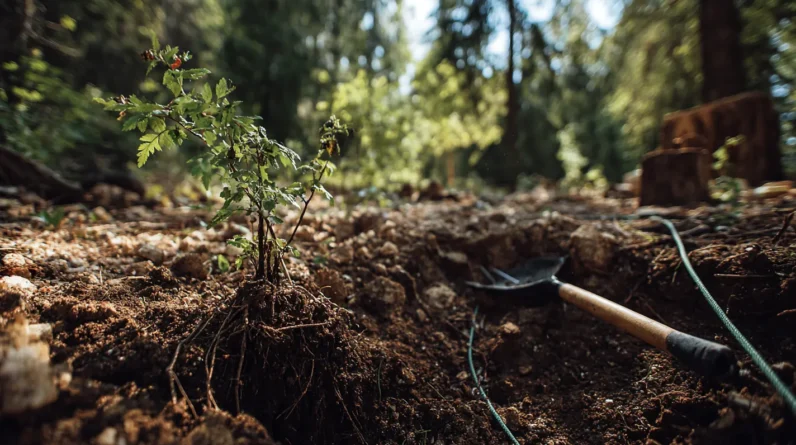
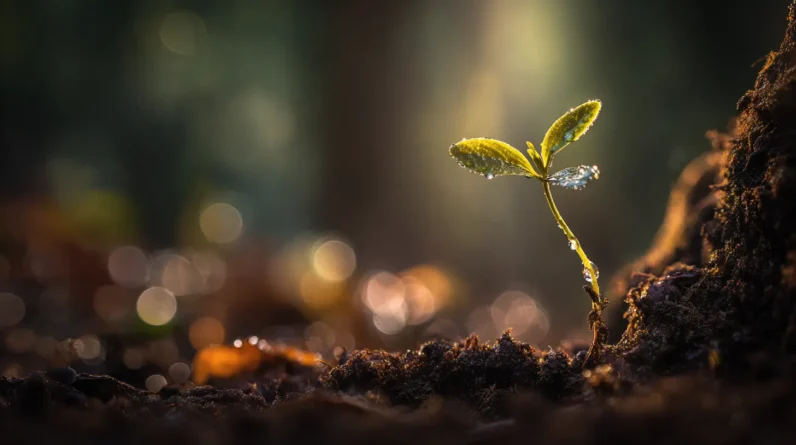
When we observe a seed’s patient transformation from dormancy to growth, we’re witnessing a profound truth about development itself: meaningful progress can’t be rushed. Just as seeds require precise conditions—optimal temperature, adequate moisture, oxygen—our personal development demands intentional environmental design. We can’t force growth; we must create conditions where it flourishes naturally.
The lag phase between water uptake and visible emergence teaches us that internal preparation precedes external transformation. During this metabolic window, we’re building foundations invisible to observers. Similarly, our most significant personal development occurs beneath the surface—through reflection, skill acquisition, and psychological integration.
Seed growth and personal development mirror nature’s wisdom: dormancy isn’t failure; it’s strategic timing. Staggered emergence protects against adversity. We’re learning that meaningful progress emerges not from force, but from patient alignment with our authentic rhythms and requirements.
How Nature Teaches Resilience Through Steady Endurance
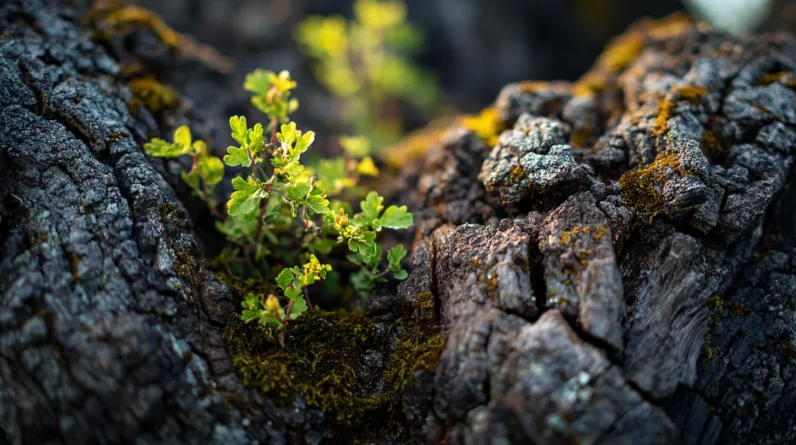
As we shift our gaze from growth’s hidden foundations to the forces that test them, we discover that resilience isn’t about invulnerability—it’s about persistence through adversity. We witness ecological balance thriving where tardigrades endure cosmic radiation and temperature extremes, where frogs burrow for months in deserts. Environmental resilience emerges not from strength alone, but from adaptive flexibility—the lodgepole pine’s dual cone strategy, the prairie’s nitrogen-fixing diversity.
| Organism | Challenge | Response |
|---|---|---|
| Tardigrade | Absolute zero to 300°F | Cryptobiotic dormancy |
| Desert frog | Months without water | Estivation cycles |
| Prairie ecosystem | Nutrient depletion | Symbiotic nitrogen fixation |
| Lodgepole pine | Wildfire devastation | Serotinous cone release |
Nature teaches us that endurance compounds through incremental adaptation, transforming pressure into purposeful growth.
Breaking Free From Modern Urgency and Digital Pressure
Nature operates without notifications. We’re caught in constant urgency—streams of data demanding our attention, fragmenting our consciousness. This digital addiction fragments our capacity for deep work and genuine connection. Mental fatigue accumulates as we toggle between notifications, never fully present anywhere.
Yet forests teach differently. Trees grow through seasons of stillness, their resilience built on unhurried cycles. They don’t compete for validation; they root themselves deeply instead.
We’re learning what research confirms: this perpetual connectivity costs us. Sleep suffers. Anxiety compounds. Our emotional regulation erodes. By observing nature’s patient rhythms—how growth requires periods of rest, how strength emerges through steady endurance—we recognize what we’ve abandoned.
Breaking free means reclaiming silence. We’ll find our depth not in noise, but in the quiet spaces between.
Extending Grace to Your Impatient Self
Breaking free from urgency means confronting what remains when the noise quiets: ourselves. We discover an impatient inner voice—one demanding perfection and speed. Nature teaches us differently through seasons that unfold without apology.
Extending grace to your impatient self begins with gentle reminders that growth isn’t linear. We practice self-kindness by softening our self-talk, replacing criticism with curiosity. When you notice harsh judgment arise, pause. Place your hand on your heart. Breathe into common humanity—we’re all struggling alongside imperfection.
Mindfulness observes this impatience without amplifying it. Through loving-kindness meditation, we cultivate inner peace by directing compassion inward first. This isn’t weakness; it’s the foundation from which sustainable change emerges. We’re learning to befriend ourselves, not fight against our own nature.
Climbing Higher: New Perspectives Through Patient Effort
When we’ve softened our inner critic and befriended our impatient self, we’re ready to climb—not toward some distant summit, but toward the vantage point where patience itself becomes visible. Our climbing strategies mirror nature’s wisdom: we position ourselves close to the wall, conserve energy through precise footwork, and read the route before committing. Mindful ascents demand we rest strategically, shift fluidly between holds, and treat each sequence as a puzzle. We’re not racing upward but ascending deliberately, three points anchored while one explores. Through this patient effort, we discover that climbing higher reveals not just new terrain, but transformed perspectives—clarity emerges when we stop forcing and start flowing with the rock’s own language.
Conclusion
We’ve learned that nature doesn’t rush, yet accomplishes everything. While we’re fracturing ourselves across screens and deadlines, seeds are quietly becoming forests. The paradox is simple: slowness isn’t laziness—it’s wisdom. When we finally surrender our frantic grip, we discover what trees have always known—that patience isn’t passive waiting, but active becoming. Your growth isn’t behind schedule; it’s blooming precisely on time.