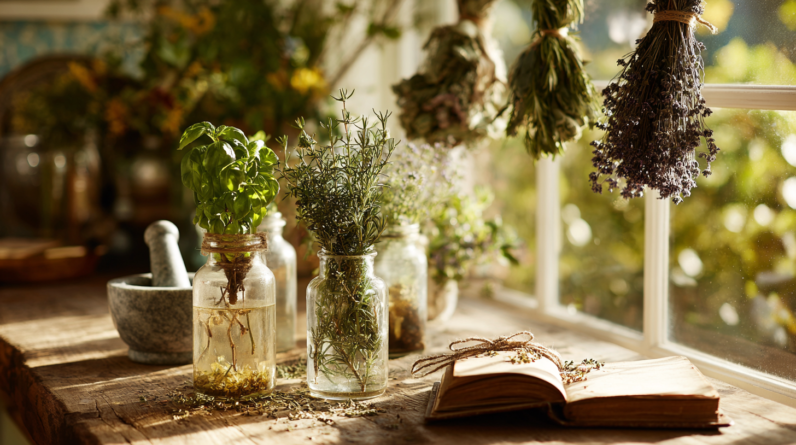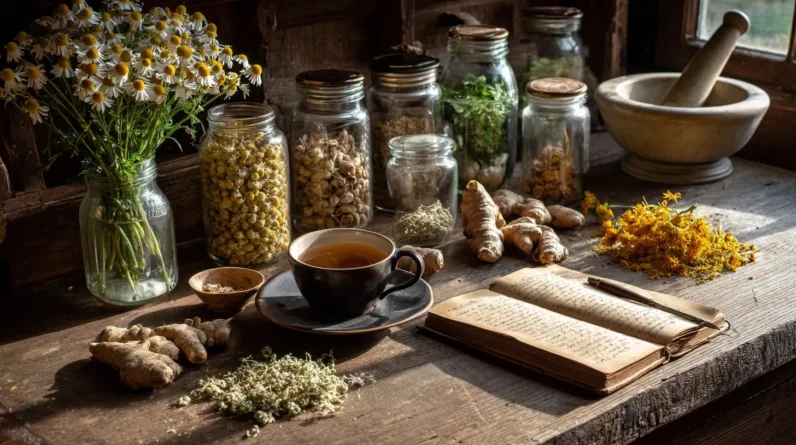
Some herbal remedies genuinely earn their place in home care — turmeric, ginseng, and valerian root all have real science supporting them. Others, like echinacea, are overhyped or poorly absorbed. Some herbs aren’t just ineffective — they’re dangerous. Comfrey, pennyroyal oil, and ephedra can cause serious, irreversible harm. We always recommend pairing herbal use with proper dosing, quality sourcing, and awareness of drug interactions. Stick with us to separate what’s worth your trust from what could put your health at risk.
Herbal Remedies That Actually Have Science Behind Them
While countless herbal products line pharmacy shelves with bold claims, only a handful have earned meaningful scientific support. We’ll focus on what the evidence actually confirms.
Turmeric benefits stem primarily from curcumin, its active compound. Clinical trials support its role in reducing inflammatory markers, particularly relevant for osteoarthritis and metabolic conditions—though bioavailability remains a challenge without piperine.
Ginseng effects are better documented than most adaptogens. Research links American and Asian ginseng to modest improvements in cognitive function, immune response, and fatigue reduction, especially in aging populations.
Additionally, valerian root shows promise for sleep latency, and echinacea demonstrates modest reduction in cold duration. None replace conventional care, but each offers measurable, evidence-backed contributions when used appropriately.
How to Use Common Herbs Safely at Home
Even the most well-researched herbs can cause harm if we use them carelessly, so starting with a few foundational safety principles matters as much as knowing which herbs to reach for. Herb preparation method appreciably affects potency—teas extract water-soluble compounds, while tinctures concentrate active constituents differently. We should always follow established dosage guidelines rather than assuming more produces better results; many therapeutic herbs become toxic at elevated doses. We also need to take into account herb-drug interactions, particularly with blood thinners, antidepressants, and immunosuppressants. Sourcing matters too—we should choose standardized extracts or organically certified whole herbs from reputable suppliers. Pregnant individuals, children, and those managing chronic conditions require additional caution and professional consultation before introducing herbal protocols into their care.
Which Popular Herbal Remedies Don’t Live Up to the Hype
The herbal supplement industry generates billions of dollars annually, yet rigorous clinical research hasn’t confirmed the effectiveness of many bestselling products. We’d encourage you to scrutinize marketing claims carefully before spending money.
Overhyped remedies include:
- Echinacea – Evidence for cold prevention remains inconsistent across trials
- Turmeric effectiveness – Despite anti-inflammatory properties, bioavailability is extremely poor without piperine; most oral supplements deliver negligible systemic benefit
- Ginger benefits – Promising for nausea, but claims extending to metabolism and chronic disease lack sufficient clinical support
- Valerian root – Sleep improvement studies show mixed, largely inconclusive results
We recommend consulting peer-reviewed databases like PubMed before purchasing supplements, prioritizing evidence over compelling packaging and influencer endorsements.
Herbal Remedies That Can Seriously Harm You
Beyond questioning what doesn’t work, we also need to address what can actively hurt you. Some toxic plants marketed as herbal supplements carry genuine clinical risks. Comfrey contains pyrrolizidine alkaloids that cause irreversible liver damage. Aristolochic acid, found in certain traditional formulas, triggers kidney failure and urothelial cancer. Kava, though legitimate in controlled use, induces hepatotoxicity at higher doses. Herbal overdoses remain dangerously underreported because patients rarely disclose supplement use to physicians.
Pennyroyal oil, sometimes promoted for menstrual irregularities, is acutely toxic and has caused maternal deaths. Ephedra-containing products dramatically increase cardiovascular risk, which is why regulators banned them.
Never assume “natural” means “safe.” Dose, preparation method, duration, and drug interactions all determine whether an herb heals or harms.
When to Skip the Herbs and See a Doctor Instead
Knowing when to set herbs aside and seek professional medical care is just as important as knowing which ones to use. Symptom recognition saves lives—herbs won’t. In emergency situations, delayed treatment can be fatal.
Skip the herbs and call a doctor when you experience:
- Chest pain, difficulty breathing, or suspected stroke symptoms
- High fever exceeding 103°F lasting more than 48 hours
- Severe allergic reactions, including swelling, hives, or anaphylaxis
- Symptoms that worsen despite 72 hours of herbal intervention
We encourage integrating herbal medicine thoughtfully, but never at the expense of timely medical care. Herbs complement conventional treatment—they don’t replace clinical diagnosis. Trust your instincts, respect your body’s signals, and prioritize safety above all else.
Frequently Asked Questions
Can Children Safely Use Herbal Remedies, and What Dosages Are Appropriate?
Children can use some herbal remedies safely, but we must approach children’s pain and herbal safety cautiously. Always consult a pediatric herbalist, as children’s dosages differ markedly from adults’—typically weight-based calculations guarantee we’re avoiding harmful concentrations.
How Do Herbal Remedies Interact With Prescription Medications I Already Take?
Herbal interactions can seriously compromise medication safety—we can’t stress this enough. Always consult your prescriber before combining herbs with prescriptions, as St. John’s Wort, garlic, and ginkgo notoriously alter drug metabolism and blood-thinning effects.
Are Herbal Supplements Regulated by Government Agencies Like the FDA?
The FDA doesn’t regulate herbal supplements as strictly as drugs, so we can’t always trust herbal safety claims or supplement efficacy. We must research independently, consult professionals, and verify third-party testing before use.
Can Pregnant Women Safely Consume Herbal Teas and Supplements?
We strongly advise caution—many herbs aren’t safe herbs during pregnancy. While some herbal tea benefits exist, we recommend consulting your provider before consuming any herbal teas or supplements, as certain compounds can harm fetal development.
How Should Herbal Remedies Be Properly Stored to Maintain Their Effectiveness?
We’ll maximize herbal shelf life by storing remedies in airtight storage containers, away from heat, light, and moisture. Cool, dark spaces like cabinets preserve potency, ensuring our preparations remain therapeutically viable and clinically effective longer.
Conclusion
We’ve walked you through nature’s medicine cabinet — the hidden gems, the overpromised cures, and the quiet dangers lurking in pretty packaging. Herbs can beautifully complement your wellness journey, but they’re not a substitute for professional guidance. Your body deserves both wisdom and caution. When in doubt, trust the science, respect the plant, and never hesitate to let your healthcare provider help you navigate what’s growing in your garden of options.