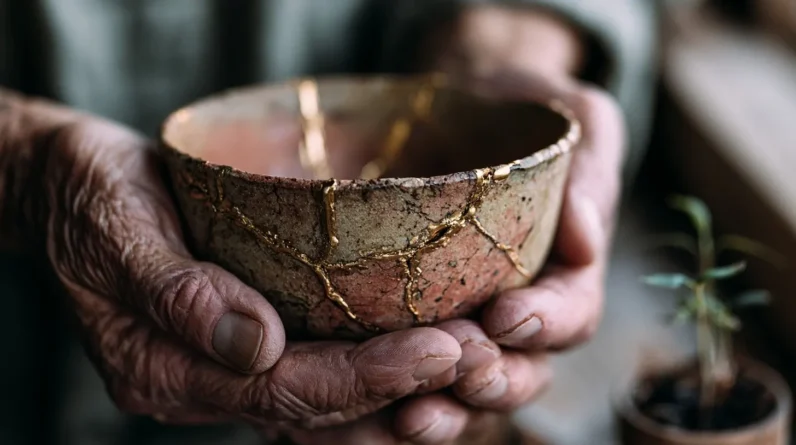
We’re often told to move on quickly, but it’s clear that’s not how genuine healing works. Your timeline isn’t behind—it’s uniquely yours. Setbacks aren’t failures; they’re insights guiding your growth. When we rush our healing, we skip essential layers, leaving unprocessed emotions to resurface later. Patience isn’t weakness; it’s how we build lasting transformation. Trusting your rhythm means listening to your body, honoring your pace, and understanding that slowing down often accelerates real change. There’s profound wisdom waiting in how you choose to move forward.
Why Society’s Timeline Doesn’t Match Your Healing Process
When we’re hurting, we’re often met with well-meaning advice to “move on” or “get over it”—as if healing follows a predictable schedule like a project deadline or seasonal shift. Yet societal expectations rarely align with our personal timelines. Our individual experiences demand unique approaches; trauma doesn’t adhere to cultural influences or external benchmarks. The comparison traps we fall into—measuring our progress against others’ journeys—undermine genuine emotional maturity. What matters is recognizing that healing isn’t linear. Cultivating mindset shifts away from external pressure allows us to honor our own pace. Implementing tailored self-care practices grounded in our distinct needs, rather than prescriptive remedies, enables authentic recovery. Mastery comes from trusting ourselves, not society’s clock.
Setbacks Are Milestones, Not Failures
As we move forward in our healing journeys, we’ll inevitably encounter moments that feel like stepping backward—the anxiety that resurfaces, the old thought pattern that catches us off guard, the day we can’t get out of bed. Yet these aren’t failures; they’re essential data points.
Setback reflection reveals what we’ve learned about ourselves and what still requires attention. When we pause to examine these moments without judgment, we transform them into milestone recognition—evidence of our deepening self-awareness. We’re not regressing; we’re integrating harder lessons.
Neuroscience shows that healing isn’t linear. Our brains require repetition and gentle correction to rewire patterns. Each setback we navigate with awareness strengthens our resilience and refines our understanding. We’re building mastery through honest engagement with our complexity.
The Cost of Rushing Your Growth
We’ve all felt the pressure to move faster through our healing—to skip ahead to the version of ourselves we’re desperate to become. Yet rushing growth carries profound emotional costs we can’t ignore.
When we accelerate our healing timeline, we bypass critical integration work. Unprocessed emotions resurface unexpectedly, derailing progress. We risk burnout, increased anxiety, and deeper disconnection from ourselves.
Mastery requires patience. Sustainable transformation happens incrementally, allowing our nervous systems to adapt and our beliefs to genuinely shift. Each layer we skip returns as resistance later.
The paradox is this: slowing down actually accelerates lasting change. When we honor our pace, we build resilience and genuine self-awareness. We’re not just changing behaviors; we’re fundamentally rewiring who we are.
Trust your timeline.
Building Trust in Your Own Rhythm
Trusting our own rhythm doesn’t come naturally in a world that constantly measures us against others’ timelines. Yet research shows that honoring our pace accelerates genuine transformation. When we stop comparing our progress, we access deeper self-discovery insights that external benchmarks obscure.
Developing emotional resilience techniques—journaling, mindfulness, somatic awareness—helps us distinguish between authentic resistance and fear-based hesitation. We learn to listen to our body’s signals, recognizing when we’re pushing too hard versus stalling unnecessarily.
Building this trust requires practice. We’ll stumble, doubt ourselves, and occasionally rush ahead. That’s part of the process. What matters is returning to our internal compass repeatedly, allowing it to guide us toward sustainable growth. Our rhythm, once trusted, becomes our most reliable teacher.
How Patience Becomes Your Competitive Advantage
In a culture obsessed with speed, patience has become a radical differentiator. We’re learning that deliberate progress outpaces rushed execution. When we embrace uncertainty through mindful strategies, we develop resilience that competitors lack.
| Advantage | Impact |
|---|---|
| Deeper Learning | We retain knowledge longer |
| Better Decisions | We reduce costly mistakes |
| Sustainable Growth | We build lasting foundations |
| Enhanced Creativity | We access innovative solutions |
We’re discovering that mastery demands time. By resisting the pressure to accelerate, we cultivate discernment—the ability to distinguish signal from noise. This isn’t passivity; it’s strategic patience. We’re intentionally choosing quality over quantity, depth over breadth.
Our willingness to sit with discomfort, to let ideas marinate, positions us ahead. We’re not just surviving the journey; we’re extracting maximum value from it.
Frequently Asked Questions
What Specific Practices Help Me Identify My Personal Healing Timeline Versus Societal Expectations?
We’ll distinguish our authentic healing timeline through consistent journaling techniques, mindfulness practices that deepen emotional awareness, and self-reflection exercises revealing our genuine needs versus internalized societal pressures.
How Do I Communicate My Pace to Loved Ones Without Feeling Guilty or Misunderstood?
We plant seeds at our own pace—some need more seasons. Clear boundaries communication and emotional transparency transform misunderstanding into alliance. We’re honest: “I’m moving intentionally, not slowly.” Our loved ones deserve truth; we deserve space.
Are There Physical Symptoms Indicating I’m Pushing Growth Too Hard or Too Fast?
We recognize physical symptoms—tension, sleep disruption, digestive issues—as stress indicators signaling we’re overextending. Self-awareness helps us distinguish growth discomfort from emotional exhaustion, guiding us toward sustainable progress.
How Long Does It Typically Take Before Patience Yields Measurable Personal Growth Results?
We’re planting seeds that’ll sprout differently for each of us. Growth timelines vary—weeks to months typically—but we measure progress through personal benchmarks we’ve defined, not external timelines. We’re building sustainable change.
What Should I Do When My Progress Seems Slower Than Similar People’s Journeys?
We’d shift our comparison mindset through self reflection strategies, examining our unique circumstances rather than others’ timelines. We’re mastering our individual path, not racing theirs.
Conclusion
We’ve been sold a lie: that healing’s got a finish line. Spoiler alert—it doesn’t. Society’s stopwatch isn’t calibrated for your nervous system’s recalibration. We’re learning that patience isn’t weakness; it’s radical resistance. Your setbacks aren’t derailments; they’re data. When we stop chasing someone else’s timeline, we’re not falling behind—we’re finally moving forward. That’s not slow. That’s honest.