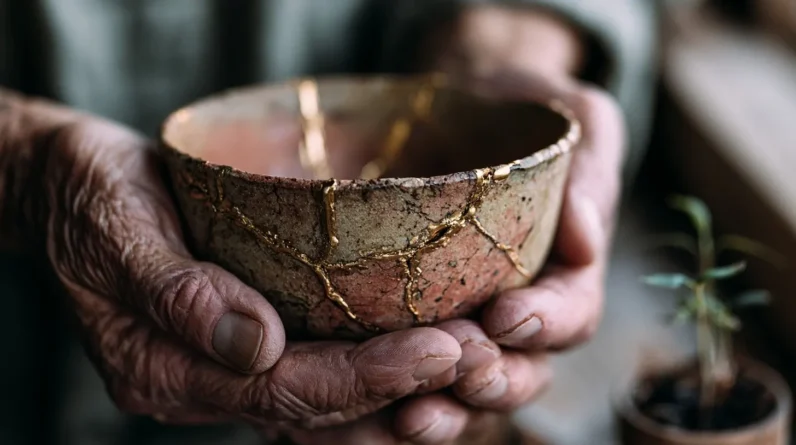
We can’t grow beyond unhealed wounds—they create invisible ceiling effects that willpower alone won’t penetrate. Unprocessed trauma crystallizes into subconscious beliefs that automatically trigger defensive patterns, blocking behavioral flexibility. Healing rewires our threat-detection systems, enabling genuine change. Growth without healing remains theoretical; healing without growth stays stuck in processing. When we integrate both simultaneously through somatic practices and relational work, neuroplasticity activates far more effectively. Understanding this framework’s specific mechanisms reveals how sustainable transformation actually occurs.
The Wound Beneath the Ceiling: Why Unhealed Patterns Block Real Growth
When we encounter a plateau in our development despite genuine effort, we’re often contending with unprocessed psychological material that operates beneath conscious awareness. Past trauma crystallizes into subconscious beliefs that generate automatic emotional triggers and self-sabotage patterns. These ingrained coping mechanisms perpetuate behavior patterns misaligned with our stated goals, creating what neuroscience terms “ceiling effects”—invisible constraints on growth.
We can’t think our way past what we haven’t processed emotionally. Our inner dialogue reflects these unhealed wounds, reinforcing limiting narratives. Healing metaphors aside, the neurobiological reality is this: unresolved trauma maintains defensive structures that protect against perceived threats while simultaneously blocking advancement. Mastery requires we identify these patterns, acknowledge their protective origins, and systematically metabolize the emotional charge they carry. Only then does genuine developmental progression become possible.
How Healing Creates the Foundation for Sustainable Change
The distinction between symptomatic relief and foundational change hinges on whether we’ve metabolized the emotional material driving our patterns. We create sustainable transformation through integrated healing work that addresses root causes rather than surface behaviors.
Healing establishes the neurobiological conditions for lasting change:
- Emotional release rewires our threat-detection systems, reducing automatic reactivity and expanding behavioral flexibility
- Self-awareness practices illuminate the functional purpose our patterns serve, enabling conscious choice over compulsion
- Supportive environments facilitate the nervous system regulation necessary for integrating insights into embodied behavior
Holistic approaches combining mindful reflection with somatic processing create coherence between cognitive understanding and emotional integration. This synergy activates neuroplasticity more effectively than willpower alone. We’re fundamentally building new neural pathways from a resourced state, ensuring changes persist when stress emerges.
The Paradox of Growth Without Integration: Why You Might Still Feel Stuck
We often encounter individuals who’ve completed substantial therapeutic work, gained genuine insight into their patterns, and intellectually understand their triggers—yet report feeling fundamentally unchanged in their lived experience. This represents a critical integration challenge: cognitive understanding doesn’t automatically rewire neural pathways or resolve emotional stagnation.
We’re observing what neuroscience calls the “knowing-doing gap.” Insight alone doesn’t create behavioral change without deliberate practice embedding new responses into procedural memory. A stuck mindset persists when clients intellectualize their growth without embodying it through repeated action and emotional regulation.
This growth plateau occurs because healing requires more than awareness. We must actively integrate insights through somatic practice, relational experimentation, and nervous system recalibration. Without this embodied integration work, psychological progress remains theoretical rather than transformative.
Building Resilience Through Simultaneous Healing and Evolution
Because healing and growth operate through distinct neurobiological mechanisms, we can’t sequence them linearly—we must cultivate both concurrently.
Resilience emerges when we integrate resilience strategies with transformative experiences. This simultaneous approach rewires neural pathways while processing trauma, creating genuine psychological flexibility. Emotional adaptability develops through repeated exposure to manageable stress—what neuroscience calls “stress inoculation”—paired with self-compassion practices that regulate your nervous system.
Effective coping mechanisms don’t merely suppress distress; they facilitate growth mindset development. We’re fundamentally building capacity for adversity while transforming our relationship to it.
- Your coping mechanisms become windows into previously inaccessible psychological territories
- Self-compassion practices dissolve shame barriers that previously blocked evolution
- Transformative experiences crystallize new neural networks supporting both healing and capability
This integration proves non-negotiable for sustainable mastery.
Signs You’re Growing and Healing Together: and When You’re Not
Distinguishing genuine simultaneous healing and growth from mere coping or regression requires specific behavioral and neurobiological markers. We observe authentic integration through expanded emotional intelligence enhancement and deepened self awareness development. Effective accountability partnerships and mindfulness practices reveal whether you’re progressing or stagnating. When we’re genuinely healing together, trauma recognition tools become accessible—you identify triggers without reactivity. Self compassion techniques replace self-criticism; growth mindset cultivation emerges naturally. Conversely, stagnation manifests as cyclical avoidance behaviors, heightened defensiveness, or intellectual understanding divorced from embodied change. Your support system importance becomes evident when progress accelerates; isolation signals regression. We’re advancing when neuroplasticity reflects in sustained behavioral shifts, regulated nervous system responses, and integrated psychological functioning. Mastery requires distinguishing temporary relief from transformative change through consistent, measurable evidence of simultaneous healing and evolution.
Frequently Asked Questions
How Long Does It Typically Take to See Results From Combining Healing and Personal Growth Work?
We’ve observed that meaningful progress indicators typically emerge within 6-12 weeks when you’re consistently engaging in integrated healing and personal growth work. Individual healing timelines vary based on complexity and commitment level.
Can Healing and Growth Happen Simultaneously, or Must One Precede the Other Completely?
We’ve found that simultaneous progress occurs most effectively. Healing synergy emerges when you’re addressing both emotional wounds and developmental gaps concurrently, rather than sequentially. This integrated approach accelerates neuroplastic rewiring and behavioral transformation.
What Specific Therapeutic Modalities Best Support Integrated Healing and Growth Simultaneously?
We’ve found mindfulness meditation, narrative therapy, somatic experiencing, and art therapy create simultaneous healing and growth. These modalities integrate nervous system regulation with meaning-making, enabling you to process trauma while constructing adaptive identity frameworks.
How Do I Know if My Growth Is Authentic or Just Surface-Level Avoidance?
We’re drowning in self-deception without rigorous self-awareness techniques. You’ll distinguish authentic growth through consistent behavioral change across contexts, not fleeting emotional catharsis. Authentic reflection requires we examine uncomfortable resistance patterns clinically.
What Role Does Professional Support Play Versus Self-Directed Healing and Growth Practices?
We integrate professional counseling techniques with self-help strategies to build emotional intelligence systematically. Therapists provide accountability and clinical expertise, while mindfulness practices we cultivate independently deepen our neural plasticity and sustained transformation.
Conclusion
We’re planting seeds in soil we haven’t cleared. Growth without healing resembles building skyscrapers on fractured foundations—impressive initially, yet destined to collapse. Neuroscientific evidence demonstrates that unprocessed trauma activates threat-detection systems, hijacking our prefrontal cortex’s capacity for genuine transformation. We can’t rewire what we haven’t acknowledged. When we simultaneously address wounds and cultivate resilience, we’re creating neural pathways capable of sustaining change. That’s not metaphorical—that’s cellular.