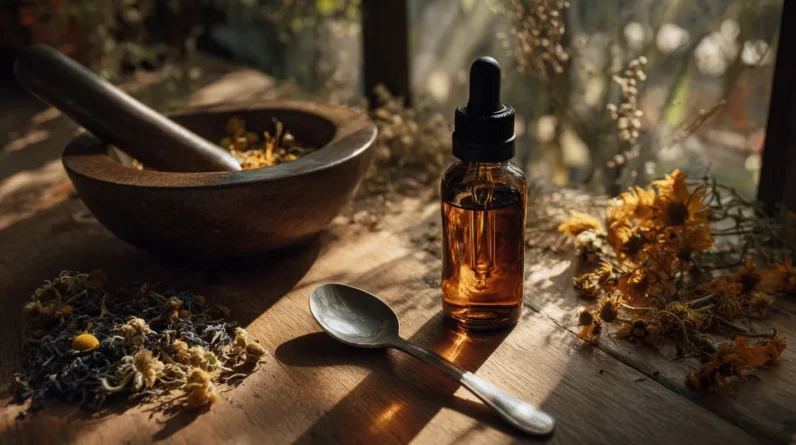
Herbal medicine has moved well beyond folklore, with clinical research now validating what traditional systems like Ayurveda and Traditional Chinese Medicine have practiced for centuries. Compounds like curcumin, withanolides, and elderberry anthocyanins show measurable effects on inflammation, stress, and immunity. We can integrate these remedies safely by choosing standardized extracts, consulting integrative clinicians, and monitoring for drug interactions. If you’re ready to make evidence-informed choices about herbal medicine, there’s much more worth exploring ahead.
How Herbal Medicine Went From Fringe to Mainstream
For centuries, herbal medicine occupied the margins of Western healthcare—dismissed as folklore, anecdote, or pseudoscience—yet today it commands a significant share of the global wellness market and sits alongside conventional treatments in integrative clinics worldwide. Its resurgence isn’t accidental. Shifting consumer priorities, mounting disillusionment with pharmaceutical side effects, and growing clinical research have collectively rehabilitated herbal history as a legitimate therapeutic framework. We’ve watched traditional systems—Ayurveda, Traditional Chinese Medicine, Indigenous botanical practice—gain recognition not merely for their cultural significance but for their pharmacologically active compounds now validated through rigorous study. Institutions like the WHO now formally acknowledge herbal medicine’s role in global health strategies. What was once peripheral is now evidence-informed, peer-reviewed, and increasingly integrated into mainstream clinical practice.
The Most Effective Herbs for Everyday Health Problems
As herbal medicine gains clinical credibility, it’s worth examining which botanicals have the strongest evidence behind them for the health complaints most of us face daily. Turmeric’s curcumin compound directly modulates NF-κB pathways, making it clinically relevant for chronic inflammation management. Elderberry’s anthocyanins demonstrate measurable immune support by amplifying cytokine production during viral exposure. Ashwagandha’s withanolides reduce cortisol markedly in double-blind trials, addressing stress-related dysfunction at the hormonal level. Ginger outperforms placebo consistently for nausea across multiple populations. Valerian root shortens sleep latency without dependency risks associated with pharmaceutical alternatives. We’re not discussing folklore here—we’re discussing compounds with identifiable mechanisms, reproducible outcomes, and growing pharmacological validation. Precision matters when selecting botanicals; mechanism-matched choices yield measurably better therapeutic results than generalized supplementation.
What Modern Science Actually Says About Herbal Remedies
The science on herbal remedies is more nuanced than either enthusiasts or skeptics typically acknowledge. Rigorous scientific studies confirm meaningful efficacy for select botanicals: St. John’s Wort demonstrates measurable antidepressant activity, berberine rivals metformin in glucose regulation, and ashwagandha reduces cortisol through documented adaptogenic mechanisms.
However, efficacy analysis consistently reveals critical variables we can’t ignore—standardization of active compounds, bioavailability differences between preparations, and population-specific responses. Many herbs show promising in-vitro results that don’t translate cleanly into clinical outcomes.
We must distinguish between “insufficient evidence” and “evidence of ineffectiveness”—two categorically different conclusions. Current research supports a tiered approach: prioritizing herbs with robust clinical validation while maintaining appropriate skepticism toward those supported only by traditional use or preliminary data.
How to Safely Add Herbal Medicine to Your Daily Routine
Understanding which herbs carry genuine clinical support is only half the equation—we also need a practical framework for incorporating them safely. Start by consulting a clinician experienced in integrative medicine before introducing any new botanical. Follow evidence-based herbal dosage guidelines from reputable sources like the German Commission E or European Medicines Agency monographs—don’t rely on product labels alone. Map out potential interactions against your current medications; St. John’s Wort, for instance, accelerates cytochrome P450 enzymes, compromising anticoagulants, contraceptives, and immunosuppressants. Introduce one herb at a time, monitor responses over two to four weeks, and document changes systematically. Purchase standardized extracts from third-party-verified brands to guarantee consistent potency. This disciplined, stepwise approach transforms herbal medicine from casual experimentation into a clinically responsible practice.
Choosing Herbal Products You Can Actually Trust
Quality control in the herbal supplement industry is notoriously inconsistent, so knowing how to vet a product before purchasing it isn’t optional—it’s essential. We recommend prioritizing brands that demonstrate rigorous herb quality standards through third-party testing certifications, such as USP, NSF International, or ConsumerLab verification. These seals confirm that what’s on the label is actually in the bottle—at clinically relevant concentrations.
Product sourcing matters equally. We should look for companies that transparently disclose their ingredient origins, cultivation practices, and extraction methods. Organically grown, wildcrafted, or standardized botanical extracts typically outperform generic bulk-sourced alternatives in both potency and purity.
Avoid proprietary blends that obscure individual ingredient doses. Instead, choose products with clearly listed, evidence-supported dosages—because precision in formulation directly determines clinical effectiveness.
Frequently Asked Questions
Can Children Safely Use Herbal Medicine for Common Health Issues?
Yes, children can safely use select herbal remedies when we carefully calibrate children’s dosage by weight and age. We must verify herbal efficacy through pediatric-specific clinical evidence before integrating any botanical protocol.
Do Herbal Remedies Interact Negatively With Prescription Medications I Take?
Yes, herbal interactions can compromise medication safety considerably. We strongly recommend you consult your prescribing physician before combining herbs with prescriptions, as compounds like St. John’s Wort notoriously alter cytochrome P450 enzyme pathways, affecting drug metabolism unpredictably.
How Does Herbal Medicine Differ Across Various World Cultures and Traditions?
We’ve found that cultural practices shape herbal traditions distinctly: Ayurveda prioritizes balance, Traditional Chinese Medicine targets qi, and Indigenous traditional knowledge addresses spiritual-physical harmony—each offering clinically-precise, evidence-based frameworks we can integrate into modern therapeutic practice.
Are Herbal Medicines Covered by Health Insurance or Flexible Spending Accounts?
Insurance coverage for herbal medicines remains limited, but we’ve seen flexible spending accounts increasingly reimburse evidence-based botanical therapies when a licensed practitioner documents clinical necessity. Always verify your plan’s specific formulary provisions beforehand.
Can Pregnant Women Safely Incorporate Herbal Remedies Into Their Wellness Routine?
We strongly advise pregnant women to consult qualified practitioners before exploring prenatal herbal applications. Not all herbs are safe during pregnancy—we must follow established herbal safety guidelines, as some botanicals carry teratogenic or uterotonic risks.
Conclusion
We’ve spent centuries dismissing what our ancestors understood intuitively — that plants hold genuine healing power. Now, science is catching up. From adaptogenic ashwagandha to antimicrobial oregano, evidence-based herbal medicine isn’t a retreat from modern healthcare; it’s an intelligent evolution of it. When we choose quality products, respect proper dosing, and integrate botanicals alongside conventional care, we’re not choosing between old and new. We’re choosing both — wisely.