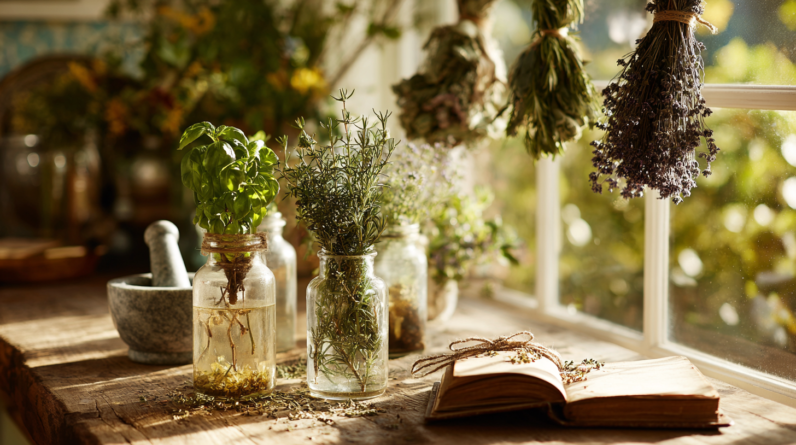
Herbal medicine fits into a science-informed health routine when we treat it as a complement to conventional care, not a replacement. We can choose evidence-backed botanicals like ashwagandha, berberine, or milk thistle, use standardized dosages, and track our responses consistently. We should always disclose every supplement to our healthcare providers to avoid dangerous interactions. When we approach herbs strategically and transparently, they become powerful tools within a balanced health practice — and there’s much more to uncover.
What Does the Research Actually Say About Herbal Medicine?
When we talk about herbal medicine, the research landscape is more nuanced than either enthusiastic advocates or skeptical critics tend to suggest. Rigorous clinical trials confirm measurable benefits for select botanicals, while simultaneously revealing complex safety profiles that demand careful attention. Traditional uses provide valuable hypotheses, but they don’t automatically validate therapeutic claims.
What’s compelling is how modern research bridges ancestral knowledge with empirical evidence. We’re learning that herbal interactions with pharmaceuticals can be clinically significant, making transparent patient-provider communication essential. Patient testimonials offer directional insight but can’t replace controlled data.
Dosage guidelines remain inconsistently standardized across studies, which complicates evidence interpretation. We encourage approaching this field with intellectual rigor—honoring what the data confirms while acknowledging where credible research still needs to develop.
Herbs With Real Evidence Behind Them
Several herbs have accumulated enough clinical evidence to warrant genuine consideration in a health routine. We’re not talking about folklore—we’re talking about documented herbal efficacy supported by peer-reviewed trials and consistent safety standards:
- Ashwagandha – reduces cortisol and supports stress resilience
- Berberine – improves insulin sensitivity comparably to metformin
- Valerian root – modestly improves sleep latency and quality
- Milk thistle (silymarin) – supports hepatic function and liver cell regeneration
- Echinacea – shortens upper respiratory infection duration when taken early
These aren’t interchangeable or universally appropriate. Dosage, bioavailability, drug interactions, and individual physiology all shape outcomes. We encourage you to treat these herbs as functional tools—studied, measured, and integrated thoughtfully rather than consumed casually.
Where Herbal Remedies Fall Short
Herbal remedies have real limits, and we’d be doing you a disservice if we didn’t name them directly. The limitations of herbs become most apparent in acute, serious, or rapidly progressing conditions—infections requiring antibiotics, cardiac emergencies, or insulin-dependent diabetes, for example. Herbs don’t replace evidence-based medical intervention in these contexts.
There are also important contraindications to take into account. St. John’s Wort reduces the efficacy of birth control and antiretroviral drugs. Ginkgo increases bleeding risk when combined with blood thinners. Licorice root can raise blood pressure dangerously with prolonged use. These aren’t edge cases—they’re documented interactions affecting real outcomes.
Standardization remains another challenge. Potency varies greatly across products, making consistent dosing difficult without pharmaceutical-grade testing or clinical guidance.
How to Add Herbal Medicine to Your Daily Routine
Adding herbal medicine to your daily routine doesn’t require an overhaul—it starts with identifying one or two low-risk, well-studied herbs that align with a specific, current health goal. Apply these herb selection tips and daily dosage guidelines strategically:
- Choose herbs with robust clinical evidence, such as ashwagandha or berberine
- Follow standardized extract dosages rather than generic preparations
- Time intake around meals or circadian rhythms for ideal absorption
- Track responses systematically using a health journal
- Consult a knowledgeable practitioner before combining herbs with pharmaceuticals
We recommend building incrementally—introduce one herb, assess outcomes over four to six weeks, then adjust. This disciplined, evidence-informed approach transforms herbal medicine from guesswork into a purposeful, integrated component of a sophisticated, personalized health protocol.
Talking to Your Doctor About Herbal Supplements
Once we’ve built a thoughtful herbal routine, we need to loop in our doctor—not as a formality, but as a safeguard. Physicians assess herb safety within the context of our full health picture—existing conditions, pharmaceuticals, and metabolic factors that shape how botanicals behave in our bodies. Dosage considerations aren’t guesswork; they’re clinical calibrations that prevent subtherapeutic use or unintended toxicity.
We should arrive prepared. Bring a written list of every supplement, including botanical name, form, and frequency. Ask specifically about herb-drug interactions and contraindications. This isn’t about seeking permission—it’s about building a collaborative framework where integrative and conventional approaches reinforce rather than undermine each other. Transparency with our healthcare provider transforms herbal medicine from a solo experiment into a strategically sound health practice.
Frequently Asked Questions
Are Herbal Medicines Safe to Use During Pregnancy or Breastfeeding?
We recommend caution—herbal safety isn’t guaranteed during pregnancy or breastfeeding. Always consult your provider before use. Pregnancy precautions and breastfeeding considerations vary widely, as herbal efficacy and risks differ considerably for each individual case.
Can Children Safely Take Herbal Supplements Designed for Adults?
Like a river’s current too strong for small boats, adult herbal supplements can overwhelm children’s systems. We shouldn’t use them without age-specific herbal dosage guidelines and careful children’s safety considerations guiding our collaborative approach.
How Are Herbal Supplements Regulated Compared to Pharmaceutical Drugs?
We find herbal supplements face fewer regulatory challenges than pharmaceuticals—they’re not required to prove herbal efficacy or safety before market entry. Let’s navigate this gap together, demanding quality-tested products backed by rigorous, transparent evidence.
Do Herbal Remedies Expire, and How Should They Be Stored?
Like sand through an hourglass, herbal shelf life fades—yes, they expire. We recommend proper storage in cool, dark, airtight containers to preserve potency, extending efficacy and supporting our evidence-based, holistic health routines effectively.
Can Herbal Medicine Interact Negatively With Over-The-Counter Medications?
Yes, herbal interactions can compromise medication safety. We’ve seen St. John’s Wort reduce contraceptive efficacy, and garlic amplify blood thinners. Let’s always consult a knowledgeable practitioner before combining herbals with OTC medications.
Conclusion
We’ve covered a lot of ground, and one truth keeps surfacing: herbal medicine works best when it’s part of a bigger picture, not a standalone solution. As the old saying goes, don’t put all your eggs in one basket. By combining evidence-backed herbs with conventional care, honest conversations with your doctor, and healthy daily habits, we’re giving ourselves the most complete toolkit for lasting wellness. Balance is everything.