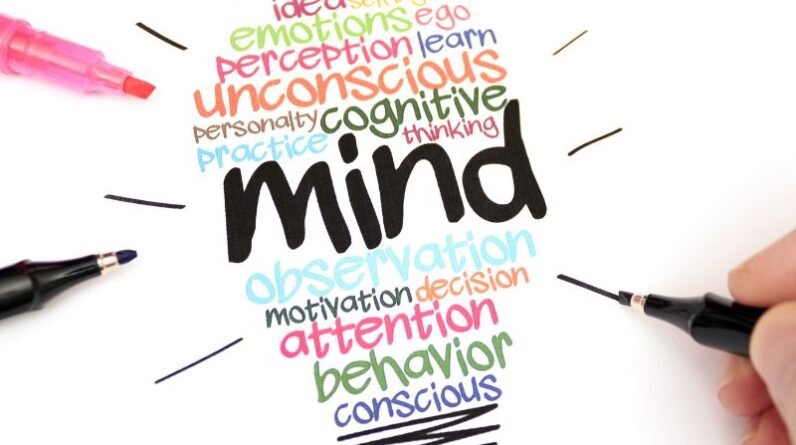
When we ignore the mind during physical healing, we’re working against our own biology. Chronic stress floods the body with cortisol, suppressing immune function and increasing inflammation. Trauma embeds itself in muscle tension and movement patterns, while limiting beliefs quietly sabotage recovery at a cellular level. Mind and body aren’t separate systems — they’re one deeply interconnected network. Understanding how they communicate is where real, lasting healing actually begins.
The Science Behind the Mind-Body Connection
The mind and body aren’t separate systems that occasionally influence each other—they’re deeply interwoven networks in constant communication. Research confirms that brain body interaction operates through measurable cognitive pathways, directly shaping tissue repair, immune function, and pain perception. Our stress response doesn’t just feel uncomfortable—it floods the body with cortisol, suppressing healing at the cellular level. Subconscious influences and deeply held belief systems silently dictate how we process illness and recovery. Emotional regulation determines whether we remain in chronic sympathetic overdrive or shift toward restorative states. Mindfulness practices create demonstrable neuroplastic changes, rewiring how we perceive pain and stress. When we recognize this science, we stop treating the body as a machine requiring only physical intervention—and start healing intelligently, from the inside out.
How Chronic Stress Physically Blocks Healing
Understanding how stress chemically hijacks recovery helps us move from awareness into meaningful action. Chronic stress floods the body with stress hormones like cortisol and adrenaline, systematically suppressing the immune response and creating conditions where healing stalls.
Here’s what’s physically happening:
- Chronic inflammation escalates, damaging tissues faster than they repair
- Muscle tension restricts circulation, starving cells of oxygen and nutrients
- Nervous system stays locked in sympathetic dominance, blocking regenerative rest states
- Emotional regulation deteriorates, amplifying pain perception and hormonal dysregulation
We can’t selectively separate these mechanisms — they operate as one integrated system. When we neglect stress management, we’re fundamentally fighting our own biology. Addressing the nervous system isn’t supplementary to healing; it’s foundational.
Why Trauma Lives in the Body, Not Just the Mind
When stress becomes chronic, trauma takes it further — embedding itself not just in memory, but in the very tissue, posture, and nervous system patterns of the body. Trauma imprinting reshapes our adaptive responses, locking survival patterns into muscle tension, restricted breathing, and disrupted energy flow.
We’ve learned that somatic experience reveals what the mind alone can’t access. Body awareness becomes our diagnostic tool — helping us locate where trauma hides and how it silently governs movement, pain, and even immune function.
Through mindfulness practices and intentional emotional release, we interrupt these stored patterns. We’re not just processing the past; we’re rewiring present-moment physiology. This is resilience building at its deepest level — teaching the body it’s finally safe enough to heal.
The Hidden Role of Beliefs in Physical Recovery
What we believe about our bodies shapes how they heal — and the research backs this up. Deeply held belief systems and subconscious programming directly influence physiological outcomes. Negative cognitive patterns suppress immune function; self compassion activates it.
Four belief-based tools that accelerate physical recovery:
- Mental visualization — rehearsing healing outcomes rewires neural pathways toward repair
- Affirmations practice — repetitive positive framing overrides limiting subconscious scripts
- Mindfulness techniques — present-moment awareness interrupts chronic stress responses
- Emotional resilience building — processing difficult emotions reduces inflammatory load
We can’t separate what we think from how we heal. The body listens to every belief we hold. Mastering this connection isn’t optional — it’s foundational to any serious recovery strategy.
Practical Ways to Heal the Mind and Body Together
Bridging belief and biology takes more than insight — it takes consistent, embodied practice. We heal faster when we align mental patterns with physical protocols. Below are four evidence-informed approaches that integrate both dimensions effectively.
| Practice | Primary Benefit |
|---|---|
| Mindfulness practices | Regulates nervous system stress response |
| Cognitive restructuring | Rewires limiting recovery beliefs |
| Holistic therapies | Addresses root causes beyond symptoms |
| Emotional release | Clears stored somatic tension |
Each approach targets a distinct layer of the healing process. Mindfulness practices quiet neurological alarm signals. Cognitive restructuring dismantles the mental narratives that stall progress. Holistic therapies — including somatic work and acupuncture — restore systemic balance. Emotional release, whether through breathwork or movement, unbinds the body from unresolved psychological weight.
Frequently Asked Questions
Can Children Experience Mind-Body Healing Differently Than Adults Do?
Yes, children experience mind-body healing uniquely—their child emotional resilience is remarkably adaptive, and parental influence shapes their nervous system responses profoundly. We must honor these differences when guiding young ones through any healing journey.
Does Ignoring Mental Health Increase the Risk of Relapse After Recovery?
Yes, ignoring mental health greatly increases relapse risk. When we neglect the psychological effects of illness, we undermine emotional resilience, leaving our nervous system vulnerable to patterns that drive the body back into dysfunction.
Are Certain Personality Types More Prone to Mind-Related Healing Blocks?
While it’s not destiny, yes—certain personality traits shape our healing blocks. We’ve found that rigid cognitive patterns, low emotional resilience, and heightened stress responses create deeper mind-body barriers, making intentional inner work non-negotiable for lasting recovery.
How Long Does It Typically Take for Mind-Body Healing to Work?
Healing timelines vary—we’re talking weeks to years, depending on your commitment and mental resilience. The deeper we engage mind-body practices consistently, the faster we rewire patterns blocking our physical recovery and lasting transformation.
Can Mind-Body Healing Replace Traditional Medical Treatments Entirely?
Mind-body healing’s a powerful current, not the whole river. We can’t replace traditional medicine entirely, but mindful practices, emotional resilience, cognitive awareness, and holistic therapies strengthen physiological connections and dissolve psychological barriers alongside conventional care.
Conclusion
We’ve seen how powerfully the mind and body move together—and how meaningful, lasting healing demands we honor both. When we silence stress, shift stubborn stories, and soothe the nervous system, we stop simply surviving and start genuinely thriving. True recovery isn’t reserved for the resilient few; it’s available to all of us when we stop treating the body as separate from the soul. Whole healing begins within.