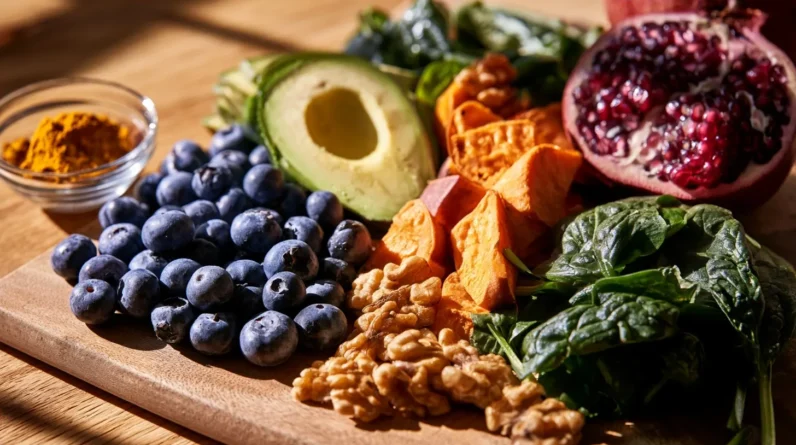
Preventive habits begin when we treat every meal as a chance to protect our health. We don’t need prescriptions — we need consistency, whole foods, and realistic expectations. Antioxidant-rich berries, leafy greens, fatty fish, and fiber-packed legumes quietly defend against chronic illness with every bite. Sustainable habits work because they’re simple, flexible, and rewarding rather than restrictive. Keep exploring to discover exactly how small, strategic nutrition shifts can deliver the biggest long-term payoff.
Why Daily Food Choices Are Your Best Preventive Medicine
Every bite we eat is either feeding disease or fighting it—and that’s not hyperbole. Research consistently shows that daily food choices influence inflammation, hormone regulation, blood sugar stability, and cellular repair. These aren’t abstract benefits—they’re measurable outcomes driven by sustainable lifestyle changes we make at every meal.
What we eat matters, but so does when we eat. Nutrient timing—strategically consuming proteins, carbohydrates, and fats around activity and rest cycles—amplifies the protective effect of whole foods. It optimizes metabolic function, supports muscle preservation, and stabilizes energy throughout the day.
Preventive medicine doesn’t always require a prescription. Our forks are powerful tools. When we treat nutrition as a daily clinical practice rather than a trend, we’re investing in long-term resilience where it counts most.
The Nutrition Habits That Actually Last Long-Term
The habits that stick aren’t the ones that demand perfection—they’re the ones built on consistency, flexibility, and realistic expectations. Research consistently shows that sustainable meal planning outperforms restrictive dieting because it accommodates real life—travel, stress, social meals—without derailing progress. We don’t need flawless execution; we need repeatable systems.
Mindful eating reinforces this further. When we slow down, notice hunger cues, and eat with intention, we naturally regulate portions and improve food satisfaction. That awareness compounds over time.
The strongest long-term nutrition habits share three traits: they’re simple enough to maintain during high-stress periods, flexible enough to adapt, and rewarding enough to repeat. We build lasting change not through willpower alone, but through designing environments and routines that make better choices the easier ones.
Which Foods Quietly Protect You From Chronic Illness
While no single food eliminates disease risk, decades of research point clearly to certain dietary patterns—and the foods within them—that quietly reduce inflammation, support cellular repair, and lower the odds of developing heart disease, type 2 diabetes, and certain cancers.
Antioxidant rich berries neutralize free radicals that damage cells over time. Fiber packed legumes stabilize blood sugar, feed beneficial gut bacteria, and reduce LDL cholesterol. Leafy greens deliver folate and vitamin K, both linked to cardiovascular protection. Fatty fish provide omega-3s that suppress inflammatory pathways. Cruciferous vegetables contain sulforaphane, a compound studied for its cancer-inhibiting properties.
We don’t need exotic superfoods. We need consistent inclusion of these well-researched foods across most meals—that consistency is where chronic disease prevention actually lives.
How to Build a Preventive Plate Without Overhauling Your Life
Building a preventive plate doesn’t require a kitchen overhaul, a new grocery budget, or memorizing nutrition labels. It starts with applying simple, consistent principles to what you’re already eating.
Think of balanced meals as a structural framework: half your plate filled with non-starchy vegetables, one quarter with lean protein, and one quarter with complex carbohydrates. That framework alone reduces inflammatory load and stabilizes blood glucose without eliminating foods you enjoy.
Portion control doesn’t mean restriction—it means calibration. Using your hand as a measuring guide or eating from smaller plates shifts intake naturally, without obsessive tracking.
Small adjustments compound over time. Adding one vegetable serving per meal, swapping refined grains once daily, or including fatty fish twice weekly creates measurable protective effects with minimal disruption to your routine.
Small Nutrition Shifts That Deliver the Biggest Health Payoff
A handful of targeted nutrition changes consistently outperform sweeping dietary overhauls when it comes to long-term health outcomes. Superfood swaps and mindful eating practices deliver compounding benefits without requiring total lifestyle reconstruction. We’ve identified five high-leverage shifts worth prioritizing:
- Replace refined grains with intact whole grains at one meal daily
- Swap processed snacks with nuts or seeds to stabilize blood sugar
- Practice mindful eating by eliminating screens during meals
- Add one dark leafy green serving to your existing routine
- Choose water or unsweetened beverages over sugary drinks consistently
Each shift targets a distinct physiological mechanism—inflammation, glycemic control, satiety signaling—making their combined effect disproportionately powerful. Small, strategic changes compound over time, which is precisely why evidence-based practitioners prioritize precision over perfection.
Frequently Asked Questions
Can Preventive Nutrition Habits Reduce Healthcare Costs Over Time?
Yes, we can reduce our healthcare savings burden considerably through consistent, evidence-based nutrition habits. The long term benefits include fewer chronic disease diagnoses, lower medical expenses, and stronger overall health outcomes we’ll sustain for years.
How Does Sleep Quality Affect the Success of Nutrition Habits?
Poor sleep impact disrupts hunger hormones, undermining our nutrition synergy efforts. When we’re sleep-deprived, cravings intensify and willpower weakens. We recommend prioritizing seven to nine hours nightly to reinforce your dietary choices consistently.
Are Preventive Nutrition Strategies Different for Men and Women?
Yes, gender differences matter. Hormonal influences shape our nutritional needs throughout life, meaning we’ll adjust strategies accordingly. Women often require more iron and folate, while men’s dietary preferences and metabolic rates call for different caloric and macronutrient targets.
Can Children Benefit From Preventive Nutrition Habits Started Early?
Yes, we can give children a lifelong advantage through early childhood nutrition. Think of healthy habits as roots—the deeper we plant them now, the stronger the tree grows. Evidence confirms early investment prevents chronic disease later.
Does Stress Eating Cancel Out the Benefits of Preventive Nutrition?
Stress eating can undermine our preventive nutrition efforts, but it doesn’t have to. When we address emotional eating through stress management strategies, we’re protecting the long-term benefits we’ve worked hard to build.
Conclusion
Preventive habits don’t have to be perfect — they just have to be practiced. We’ve seen how small, steady shifts in what we eat can shield us from serious illness, support our systems, and sustain us for the long haul. Start simple, stay consistent, and let science be your guide. When we nourish ourselves with purpose, we’re not just feeding our bodies — we’re fortifying our future, one deliberate, delicious decision at a time.