We don’t need another trendy diet — we need habits that actually stick. The most protective foods aren’t exotic: leafy greens, legumes, berries, whole grains, and fatty fish consistently reduce chronic disease risk. Small shifts like slowing down at meals, eating colorful plates, and starting with fiber or protein make a real difference over time. If you’re ready to cut through the noise, there’s a lot more practical clarity ahead.
Why Most Nutrition Advice Feels So Overwhelming
Nutrition advice can feel paralyzing—one expert tells us to cut carbs, another champions them, and a third insists the real problem is seed oils. Dietary trends cycle rapidly, each claiming definitive authority while quietly contradicting the last. Nutrition misinformation thrives in this environment, exploiting our desire for simple answers to genuinely complex questions. The result isn’t informed eating—it’s decision fatigue and anxiety. We skip meals, overhaul entire food groups, or abandon healthy habits altogether because the goalposts keep moving. But here’s what the research actually shows: most conflicting advice stems from misinterpreted studies, financial interests, or oversimplified headlines. Understanding why the noise exists helps us filter it. That’s the foundation we’re building here—clarity without panic, evidence without extremism.
The Everyday Foods That Actually Protect Your Health
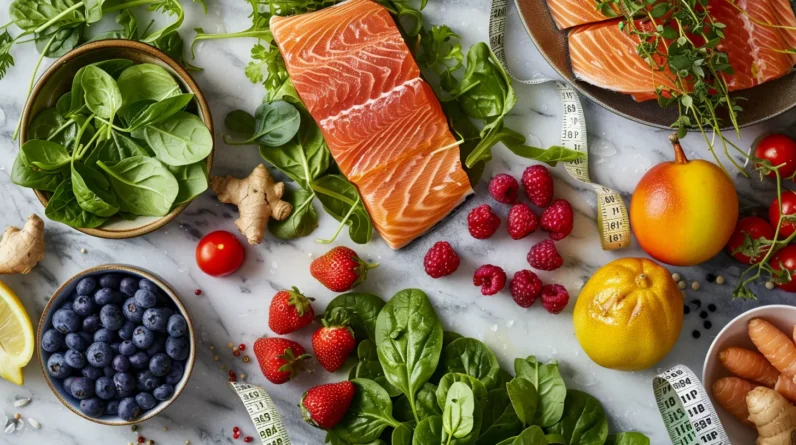
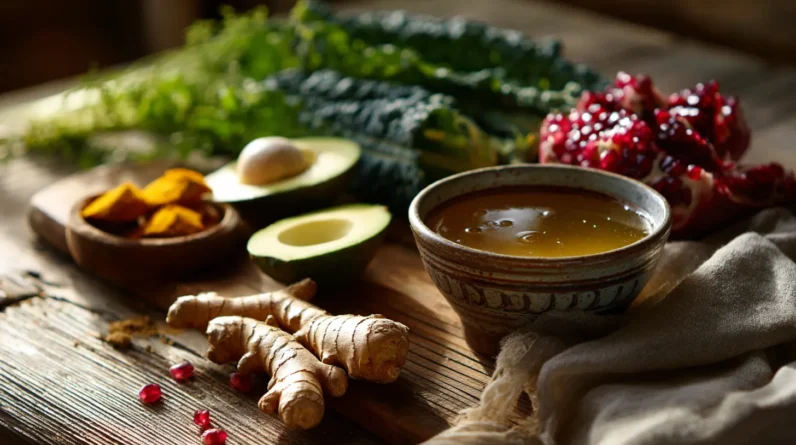
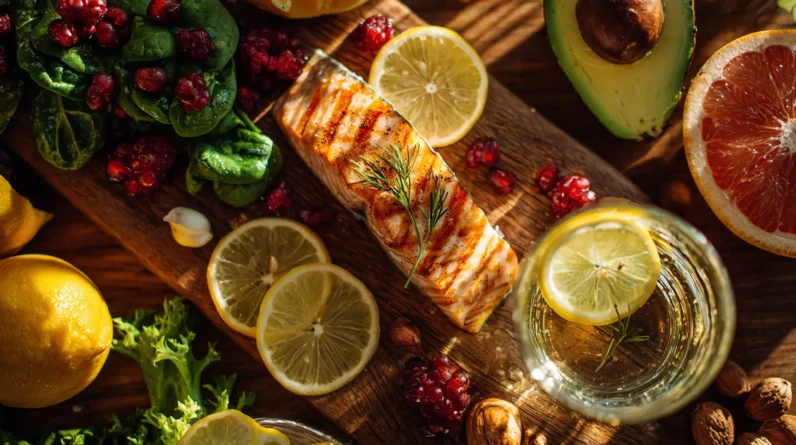
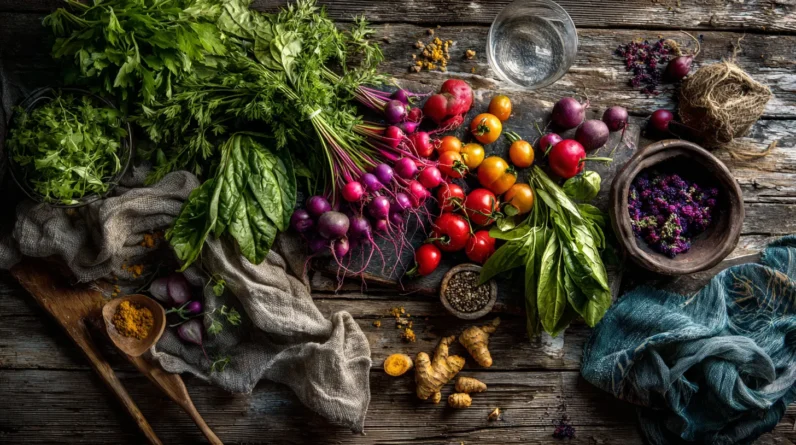
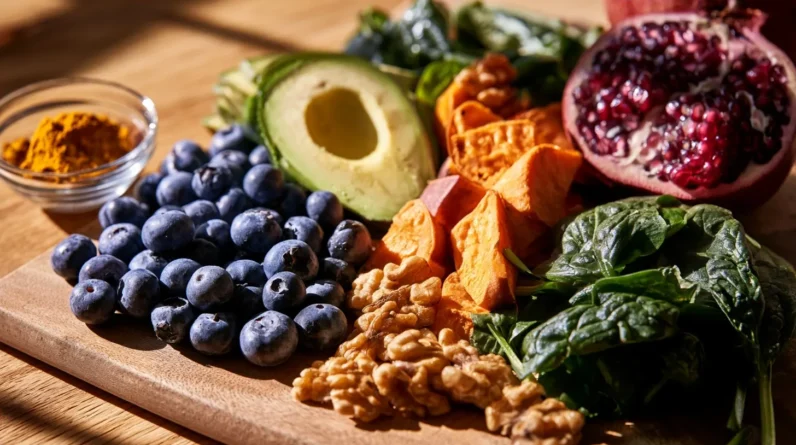
Once we strip away the noise, the foods with the strongest evidence behind them aren’t exotic or expensive—they’re the ones most of us already recognize. Leafy greens, legumes, berries, whole grains, nuts, and fatty fish consistently appear in large-scale studies linking diet to reduced chronic disease risk.
The term “superfoods explained” is largely marketing—no single food carries miraculous power. What matters is pattern and consistency. Seasonal eating supports this naturally: produce harvested at peak ripeness delivers higher nutrient density and costs less.
Think dark leafy greens in winter, tomatoes in summer, squash in fall. These aren’t trends—they’re biological anchors. Building meals around them doesn’t require perfection; it requires repetition. Small, consistent choices accumulate into measurable health protection over time.
Small Eating Habits With Big Preventive Benefits
A few small shifts in how we eat—not just what we eat—can meaningfully reduce disease risk over time. Slowing down and practicing mindful munching reduces overeating and improves glycemic response by giving satiety signals time to register. Building colorful plates guarantees broader phytonutrient coverage without requiring rigid meal planning. Eating within a consistent daily window supports circadian metabolic rhythms, lowering inflammation markers. Starting meals with fiber or protein before refined carbohydrates blunts blood sugar spikes. Even chewing thoroughly improves nutrient absorption and digestive efficiency. These aren’t dramatic overhauls—they’re precision adjustments that compound over years. The science is clear: behavioral consistency around eating patterns often predicts long-term health outcomes more reliably than any single superfood or supplement ever could.
What Science Says About Reducing Chronic Disease Risk
Decades of population research confirm that chronic diseases—heart disease, type 2 diabetes, and certain cancers—aren’t inevitable; they’re largely preventable through consistent dietary choices. Dietary patterns centered on whole foods and plant-based variety reduce chronic inflammation, a key driver behind most chronic conditions. Robust antioxidant intake from colorful produce neutralizes cellular damage before it compounds. Gut health research reinforces that fiber-rich eating shapes microbial diversity, directly influencing immune function and metabolic response. Nutrient timing also matters—front-loading calories earlier aligns with circadian biology and improves insulin sensitivity. We’d be remiss not to acknowledge health equity; access to these protective foods isn’t universal, and systemic barriers shape outcomes just as powerfully as individual choices. Science gives us direction—context determines application.
How to Build a Sustainable Healthy Diet Without Stress
Building a sustainable healthy diet isn’t about perfection—it’s about creating consistent, manageable habits that fit your actual life. Research consistently shows that small, repeatable behaviors outperform dramatic dietary overhauls. Start by incorporating meal prepping into your weekly routine—batch-cooking grains, proteins, and vegetables reduces decision fatigue and keeps nutrient-dense options accessible when you’re tired or busy.
Pair that structure with mindful eating practices: slow down, remove distractions, and tune into hunger and fullness cues. This approach improves food satisfaction and naturally reduces overconsumption without rigid calorie counting. We also recommend building flexibility into your plan. Rigid “all-or-nothing” thinking sabotages long-term success. Allow for occasional indulgences without guilt. Sustainability comes from balance, not restriction—and that mindset shift is where lasting dietary change actually begins.
Frequently Asked Questions
Can Children Follow the Same Preventive Nutrition Guidelines as Adults?
Children don’t follow the same preventive habits as adults—their child nutrition needs differ by age and development. We recommend consulting a pediatrician to tailor guidelines appropriately, ensuring kids get balanced nutrients that support healthy growth without unnecessary restrictions.
How Does Sleep Quality Affect How Your Body Absorbs Nutrients?
Ironically, we can eat perfectly yet sabotage ourselves nightly. Sleep deprivation disrupts gut microbiome balance, impairing nutrient absorption considerably. We’ve learned that prioritizing quality sleep optimizes how our bodies actually utilize the nutrients we’re carefully consuming.
Are Supplements Ever Necessary if You Already Eat Healthy Foods?
Even healthy eaters sometimes need supplements—it’s not all supplement myths. Factors like age, sun exposure, and nutrient timing affect absorption. We’d recommend testing vitamin D and B12 levels before assuming whole foods cover everything.
Does Cooking Method Significantly Change a Food’s Protective Health Properties?
Yes, cooking techniques matter, but it’s nuanced. Heat impact destroys some nutrients while enhancing others. We’ll preserve more through smart nutrient retention strategies, and food synergy—like pairing tomatoes with olive oil—actually amplifies protective compounds beautifully.
How Does Hydration Specifically Contribute to Chronic Disease Prevention Efforts?
When we optimize hydration benefits, we support kidney function, reduce inflammation, and maintain healthy blood pressure—all directly linked to chronic disease prevention. We’re fundamentally flushing toxins, regulating metabolism, and keeping cellular processes running efficiently every day.
Conclusion
We didn’t stumble onto this information by accident—and neither did you. The fact that you’re reading this right now, at this particular moment, means something. Small choices are already adding up somewhere in your body, quietly, consistently. Science confirms what feels intuitive: protecting your health doesn’t require perfection. It requires showing up, meal after meal, with just enough intention. That’s not overwhelming. That’s something we can actually do together.