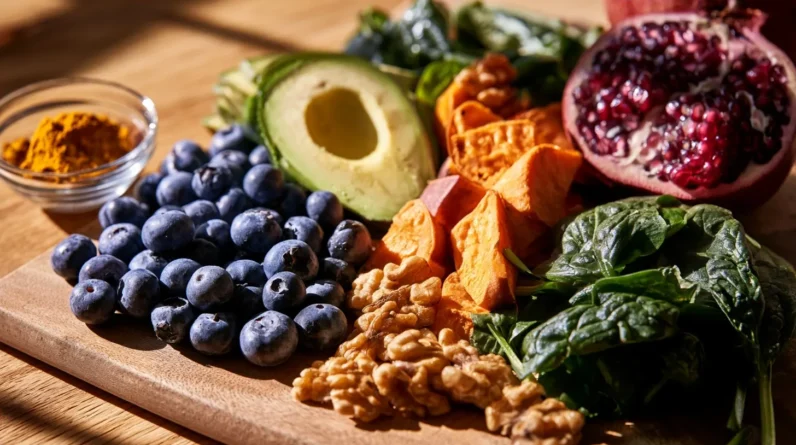
Smart nutrition tips make preventive care more personal by aligning what we eat with our unique physiology. Our genetics, microbiome, and hormones all shape how we metabolize nutrients differently. Targeting key nutrients like magnesium for insulin sensitivity or omega-3s for inflammation can shift health outcomes meaningfully. We can stabilize biomarkers, restore energy, and reduce chronic disease risk through intentional dietary choices. The deeper we explore personalized nutrition, the more strategic our preventive care becomes.
Why Your Body Needs a Personalized Nutrition Plan
Why does one diet work wonders for your neighbor but leave you feeling sluggish and unsatisfied? The answer lies in nutritional individuality — the scientifically supported reality that our bodies metabolize nutrients differently based on genetics, gut microbiome composition, hormonal profiles, and lifestyle factors. No two people share identical physiological blueprints, which means generic dietary guidelines often fall short of delivering ideal health outcomes.
We understand that tailored diets — designed around your specific biomarkers, food sensitivities, and metabolic responses — consistently outperform one-size-fits-all approaches. Research confirms that personalized nutrition strategies improve energy regulation, reduce chronic disease risk, and support long-term adherence. When we align what you eat with how your body actually functions, preventive care stops being reactive and becomes genuinely strategic.
Key Nutrients That Support Your Specific Health Goals
Once we identify your health goals — whether you’re managing blood sugar, building lean muscle, reducing inflammation, or supporting cognitive function — we can pinpoint the specific nutrients your body needs most. Magnesium and chromium improve insulin sensitivity. Leucine-rich proteins stimulate muscle protein synthesis. Omega-3 fatty acids suppress inflammatory cytokines. Choline and DHA directly support neurological performance.
Achieving ideal results isn’t about taking everything — it’s about precision. Targeted supplements fill the gaps your diet can’t consistently cover, while maintaining micronutrient balance prevents the competitive absorption issues that undermine effectiveness. For example, excess zinc depletes copper; high-dose iron competes with calcium.
We’ll align your nutrient protocol with your biomarkers, lifestyle demands, and health trajectory — making every nutritional decision intentional rather than generic.
How Smart Nutrition Tips Strengthen Preventive Care
Preventive care works best when it’s proactive, and smart nutrition puts that power directly in your hands. Through nutrition education and intentional lifestyle adjustments, we can shift from reacting to illness toward preventing it entirely.
Evidence shows targeted dietary choices reduce risks for chronic disease, metabolic dysfunction, and inflammation. Here’s what smart nutrition genuinely delivers:
- Reduced disease risk before symptoms ever appear
- Stabilized biomarkers like blood sugar, cholesterol, and blood pressure
- Restored energy and resilience through nutrient-dense, personalized eating
- Empowered decision-making rooted in data, not guesswork
We’re not talking about generic advice—we’re talking about precision. When nutrition education aligns with your unique health profile, lifestyle adjustments stop feeling like sacrifices and start feeling like strategy.
Simple Ways to Build a Diet Around Your Health Profile
Building a diet around your health profile starts with understanding what your body actually needs—not what a generic meal plan assumes it does. A thorough diet assessment reveals gaps and surpluses that undermine your goals. From there, nutrient optimization becomes targeted, not guesswork.
| Health Factor | Dietary Focus |
|---|---|
| Elevated blood glucose | Reduce refined carbs, increase fiber |
| Low bone density | Prioritize calcium and vitamin D |
| Cardiovascular risk | Emphasize omega-3s, limit saturated fats |
| Chronic inflammation | Incorporate anti-inflammatory foods like turmeric and leafy greens |
We recommend working with your provider to translate lab results and health history into specific dietary adjustments. Precision here drives measurable outcomes.
When to Involve Your Doctor in Your Nutrition Choices
Most nutrition decisions don’t require a doctor’s input—but some do, and knowing the difference matters. Dietary assessments and nutrition consultations become essential when health stakes are high. We recommend involving your doctor if you’re experiencing:
- Unexplained weight loss or gain that persists despite consistent habits
- Chronic conditions like diabetes, kidney disease, or cardiovascular disease requiring medically supervised eating plans
- Nutrient deficiency symptoms—fatigue, hair loss, or cognitive fog—that standard dietary shifts haven’t resolved
- Medication interactions where specific foods could compromise your treatment
These aren’t routine adjustments—they’re clinical decisions. Your doctor can order labs, interpret biomarkers, and coordinate care with a registered dietitian. Personalized nutrition works best when your entire health picture informs every dietary choice you make.
Frequently Asked Questions
Can Genetics Testing Reveal Which Foods Work Best for Your Body?
Yes, genetic testing can reveal how your unique genetic variations influence nutrient metabolism and dietary preferences. We can use this data to craft personalized nutrition strategies that optimize your health outcomes with precision.
How Do Cultural Food Traditions Fit Into Personalized Nutrition Planning?
Cultural impact shapes our nutritional identity, so we don’t need to abandon traditional ingredients. We’ll embrace diet flexibility by thoughtfully practicing recipe adaptation, preserving heritage while aligning meals with your body’s scientifically validated, personalized health requirements.
Are Nutrition Tracking Apps Accurate Enough for Reliable Health Decisions?
Like a compass guiding explorers, app accuracy varies—we shouldn’t rely solely on it for health decisions. We recommend using tracked data as a starting point, then refining dietary adjustments with professional guidance for truly personalized outcomes.
Does Personalized Nutrition Cost More Than Following General Dietary Guidelines?
Personalized nutrition’s cost comparison varies—we’ll find it’s often pricier upfront, but dietary flexibility reduces costly diet-related diseases long-term. Evidence suggests tailored plans deliver measurably better outcomes, making the investment strategically sound for mastery-focused individuals prioritizing prevention.
How Does Gut Microbiome Diversity Influence Your Personalized Nutrition Needs?
Ironically, our “universal” gut health needs are anything but — microbiome diversity uniquely shapes your food sensitivities, nutrient absorption, and personalized supplementation requirements, meaning we can’t optimize your nutrition without first mapping your microbial fingerprint.
Conclusion
We’ve covered a lot of ground together, and here’s the fascinating part — the moment you align smart nutrition tips with your unique health profile, preventive care stops feeling generic and starts feeling like yours. Research consistently confirms that personalized dietary choices reduce chronic disease risk dramatically. What’s coincidental is that the very nutrients your body craves most are often the ones your health goals demand most. Start there, and everything connects.