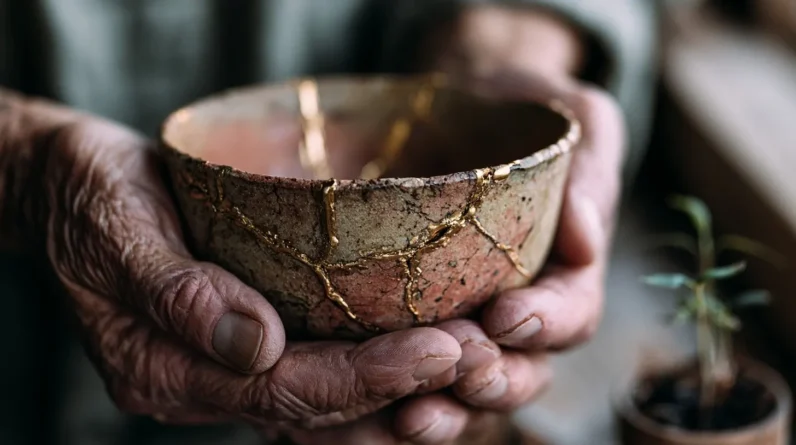
We can’t grow without examining the painful beliefs that’ve shaped us. When we engage with our wounds, we develop emotional regulation and post-traumatic resilience that compounds over time. This processing shifts our self-dialogue from criticism to compassion, replacing shame-based narratives with evidence-based self-assessment. Healing reshapes how we relate to ourselves, fostering metacognitive awareness and authentic self-advocacy. Yet insights require daily practice through structured acceptance to create lasting neural change—the distinction between fleeting clarity and embodied transformation reveals itself through intentional integration.
Pain Forces Us to Examine Our Beliefs and Patterns
When we’re confronted with persistent pain—whether emotional or physical—we can’t simply ignore it and move forward unchanged. Our discomfort demands investigation. Through self-reflection exercises and belief system evaluation, we uncover the assumptions underlying our suffering. Pain catalyzes transformative experiences by forcing us to examine our personal narratives and identifying patterns we’ve internalized.
We discover which coping mechanisms actually serve us and which perpetuate our struggle. By recognizing emotional triggers, we gain clarity about what truly drives our responses. This process isn’t comfortable, yet it’s essential for mastery-level growth. Mindset shifts emerge naturally when we interrogate our foundational beliefs rather than accepting them as immutable truth.
We’re not victims of our pain; we’re investigators uncovering its lessons, systematically dismantling obstacles to our evolution.
Why Growth Requires Breaking Old Frameworks
As we’ve uncovered the patterns beneath our pain, we’ll inevitably confront an uncomfortable reality: our existing frameworks—the mental structures we’ve built to interpret and navigate the world—often perpetuate the very struggles we’re trying to resolve.
Framework shifts demand we dismantle outdated paradigms that once served us but now constrain us. Growth catalysts emerge when we recognize these limitations:
- Cognitive rigidity blocks adaptive responses to new circumstances
- Inherited belief systems may conflict with our authentic values
- Defensive mental structures protect us from past wounds yet limit future possibilities
- Limiting narratives become self-fulfilling prophecies
- Outdated identity constructs prevent evolution
Belief transformations require intellectual courage. We must systematically examine our foundational assumptions, test their validity, and deliberately reconstruct our interpretive lenses. This cognitive restructuring isn’t comfortable, yet it’s essential. Mastery demands we evolve beyond the frameworks that shaped us.
The Resilience That Emerges From Working Through Wounds
Once we’ve dismantled limiting frameworks and confronted the patterns beneath our pain, we don’t simply return to baseline functioning—we develop a qualitatively different capacity to navigate adversity. This emotional strength isn’t innate; it’s forged through deliberate engagement with our wounds.
When we process trauma rather than suppress it, we build neurological pathways that enhance emotional regulation and stress tolerance. Our transformative journey creates what researchers call “post-traumatic growth”—increased psychological resilience, deeper self-awareness, and improved interpersonal effectiveness.
We’re not simply recovering; we’re integrating hard-won knowledge into our operating system. Each wound we’ve consciously worked through becomes evidence of our capability. This resilience compounds over time, fundamentally altering how we respond to future challenges with greater wisdom and steadiness.
How Healing Reshapes Your Relationship With Yourself
The work we do to process our wounds doesn’t simply resolve past pain—it fundamentally reconstructs how we relate to ourselves in the present. Through deliberate healing, we cultivate emotional awareness that shifts our inner dialogue from self-criticism to self-compassion. This self-acceptance journey enables empowering transformations across multiple dimensions:
- Replacing shame-based narratives with evidence-based self-assessment
- Developing metacognitive skills to observe thoughts without judgment
- Building capacity to validate our own experiences independently
- Establishing boundaries that honor our authentic needs
- Practicing self-advocacy grounded in genuine self-knowledge
We’re effectively rewriting our internal relationship architecture. Rather than operating from internalized critical voices, we develop a compassionate inner presence that supports our choices. This restructured self-relationship becomes the foundation for sustained growth, enabling us to respond authentically to future challenges rather than react from unprocessed pain.
Integration: Making Lessons From Pain Permanent
While emotional breakthroughs feel significant in the moment, they don’t automatically translate into lasting change without deliberate integration work. We must actively embed our insights into daily practice through structured acceptance practices and heightened emotional awareness. Integration requires we repeatedly apply newfound understanding across varied contexts, reinforcing neural pathways that support sustainable growth. We strengthen this process by journaling our patterns, examining triggers, and consciously choosing different responses. This deliberate repetition transforms intellectual comprehension into embodied wisdom. We’re effectively rewiring our nervous system through consistent application rather than relying on fleeting moments of clarity. True healing solidifies when we move beyond understanding our pain to fundamentally altering how we relate to ourselves and navigate future challenges.
Frequently Asked Questions
How Long Does the Healing and Personal Growth Process Typically Take?
We can’t prescribe universal timelines; healing varies individually. Research shows growth milestones emerge through consistent effort over months to years. We’ve found that acknowledging your unique pace accelerates progress substantially.
What if I Cannot Identify My Limiting Beliefs or Harmful Patterns?
We’ve discovered that you don’t need perfect clarity initially. Through self-reflection exercises, journaling practices, and mindfulness techniques, we’ll systematically build emotional awareness, revealing patterns you’d otherwise miss.
Can Healing and Growth Happen Without Professional Therapy or Counseling?
We can facilitate meaningful healing through self-help strategies and peer support, though professional guidance often accelerates progress. We’re most effective when we combine personal accountability with structured accountability systems.
How Do I Know if I’m Making Real Progress in Healing?
We gauge real progress through consistent self-reflection practices and regular emotional checkpoints. You’re advancing when you’ve noticed patterns shifting, emotional responses becoming less reactive, and your capacity for resilience strengthening measurably.
What Should I Do When Old Patterns Resurface After Healing?
We recognize old triggers and emotional responses as normal. We investigate what activated them, reassess our coping strategies, and integrate new insights. We’re not regressing—we’re deepening our mastery through recursive healing cycles.
Conclusion
We’ve witnessed how wounds warrant wisdom, and pain prompts profound personal progression. Breaking beliefs brings breakthrough; resilience rises through rigorous reflection. We’re reshaping our relationship with ourselves, cementing significant changes through consistent commitment. This isn’t magical thinking—it’s measurable, meaningful metamorphosis. We’re integrating insights into identity, transforming trauma into triumph. Our healing journey hardens our resilience while we’re creating lasting, legitimate growth that’ll guide us forward.