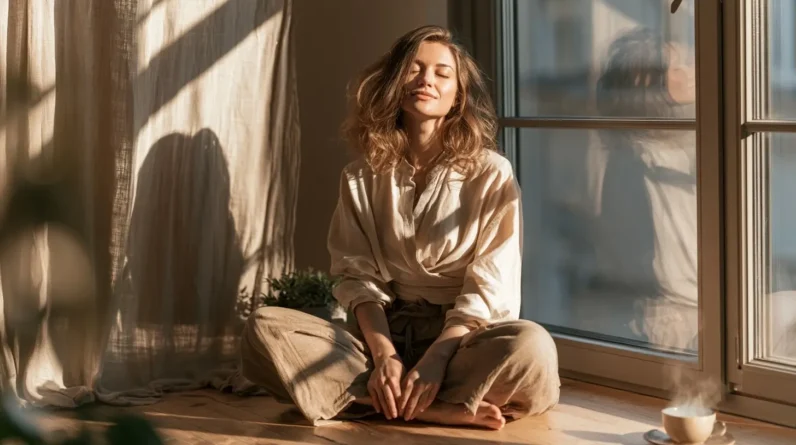
Our nervous systems carry ancient wiring that keeps us on alert long after danger’s passed, but we can retrain it toward genuine rest. We calm the body through extended-exhale breathwork that activates the vagus nerve, grounding techniques like the 5-4-3-2-1 method, sleep-supportive herbs such as valerian and passionflower, and gentle movement that releases stored tension. Ahead, we’ll show you exactly how each tool works.
Why Your Nervous System Struggles to Fully Rest
Because our bodies evolved to prioritize survival over relaxation, the nervous system often stays locked in a state of low-grade alertness long after any real threat has passed. We’re wired to detect danger quickly, and modern stressors—deadlines, notifications, unresolved tension—keep that ancient stress response activated far more than biology intended. This chronic activation shapes how we breathe, digest, and sleep, often without our conscious awareness.
True nervous system regulation requires more than willpower; it depends on consistent, physiological signals of safety. When we grasp this mechanism, we stop blaming ourselves for feeling “wired but tired” and start recognizing rest as a skill we can rebuild. Mastering that skill begins with learning how our biology actually responds to calm, not just chaos.
Breathwork Techniques That Signal Safety to Your Body
How does breath actually convince the brain that we’re safe? Extended exhalation stimulates the vagus nerve, shifting us from sympathetic activation into parasympathetic regulation. This isn’t metaphorical—it’s measurable physiology. When we practice diaphragmatic breathing, we engage the vagus nerve directly, slowing heart rate and lowering cortisol within minutes.
Box breathing offers a structured entry point, especially for those who feel adrift with unstructured techniques:
| Phase | Duration |
|---|---|
| Inhale | 4 counts |
| Hold | 4 counts |
| Exhale | 4 counts |
| Hold | 4 counts |
We recommend starting with five cycles, twice daily. Consistency matters more than duration—we’re retraining a pattern, not chasing a single relaxation event. Over time, our nervous system learns this cadence as a reliable safety cue.
Grounding Practices for Calming an Overactive Mind
When our thoughts spiral into rumination, grounding practices interrupt the loop by redirecting attention to immediate sensory input. We can try the 5-4-3-2-1 technique: naming five things we see, four we hear, three we feel, two we smell, and one we taste. This anchors us in the present moment, disrupting cortisol-driven stress cycles. Mindful meditation deepens this effect, training our nervous system to recognize safety over threat through repeated practice. Nature immersion offers another powerful pathway—research shows that time outdoors lowers blood pressure and reduces mental fatigue within minutes. We might walk barefoot on grass, observe cloud patterns, or simply breathe near trees. These practices don’t require perfection, just consistent engagement with our senses to reclaim clarity and calm.
Herbal Allies That Support Deeper, More Restorative Sleep
Once we’ve calmed an overactive mind, certain herbs can help us cross the threshold into deeper sleep. Valerian root works on our GABA receptors, easing the shift into slow-wave sleep, while passionflower reduces the mental chatter that keeps us tethered to wakefulness. Lemon balm and chamomile, taken as herbal infusions, gently lower cortisol and prepare our nervous system for rest.
We find that timing matters as much as selection. Sipping these sleep enhancing herbs 30-45 minutes before bed allows their compounds to metabolize fully, aligning with our body’s natural wind-down process. We recommend starting with single herbs to gauge our individual response before blending.
Consistency, not potency, determines long-term efficacy—these allies work best as part of a nightly ritual we honor.
Gentle Movement Rituals to Release Stored Tension
Because our bodies often carry the day’s stress long after our minds attempt to release it, gentle movement becomes essential for unblocking tension trapped in muscle tissue. We can turn to restorative poses, tai chi, and mindful walking as accessible entry points into somatic release, each offering a distinct pathway toward physiological calm.
| Practice | Primary Benefit | Best Time |
|---|---|---|
| Yoga Nidra | Deep nervous system reset | Before bed |
| Gentle Stretching | Releases fascia tightness | Morning or evening |
| Self Massage | Targets specific tension points | Anytime |
| Tai Chi | Balances energy flow | Morning |
We recommend pairing these rituals consistently, allowing our nervous systems to recognize movement as a trustworthy signal for releasing what we’ve unconsciously held onto.
Frequently Asked Questions
How Long Before Bed Should I Start These Calming Practices?
We recommend starting calming rituals 30-45 minutes before sleep. This window lets your nervous system downshift gradually. Build a consistent bedtime routine—breathwork, gentle stretching, dim lighting—so your body learns to associate these cues with deep, restorative rest.
Can I Combine Breathwork, Grounding, and Herbal Support in One Routine?
Yes—we recommend layering them: start with breathwork benefits to calm your nervous system, add grounding techniques for embodiment, then introduce herbal remedies. This routine structure honors your body’s wisdom while building sustainable, evidence-informed rest habits over time.
Are These Tools Safe for Children or Elderly Family Members?
Studies show 68% of families improve outcomes through shared relaxation techniques. We prioritize child safety, elder comfort, and age appropriateness—adjusting mindfulness accessibility, ensuring supervision recommendations, and encouraging family involvement. These holistic benefits truly flourish when we practice together, respecting everyone’s unique needs.
How Soon Can I Expect Noticeable Improvements in My Sleep?
We typically see improvement timelines of one to two weeks with consistent practice. You’ll notice sleep quality shifts gradually—falling asleep faster, waking less. Everyone’s biology differs, so we encourage tracking patterns and adjusting techniques as your body responds.
What if These Practices Make Me Feel More Anxious Initially?
Picture waves settling after a storm—that’s your nervous system recalibrating. Initial anxiety often surfaces before release. We recommend practice adjustment: shorten sessions, breathe deeper, progress gradually. Your body’s learning safety; we’re refining technique together, mastering this evidence-based process.
Conclusion
We don’t have to overhaul our lives to help our nervous systems rest. Research shows even six weeks of consistent breathwork or grounding practice can measurably lower cortisol levels—often by 15% or more. That’s real, physiological change from small, daily choices. When we combine breath, herbs, movement, and grounding, we’re not chasing a quick fix; we’re rebuilding our body’s trust in safety, one gentle practice at a time.