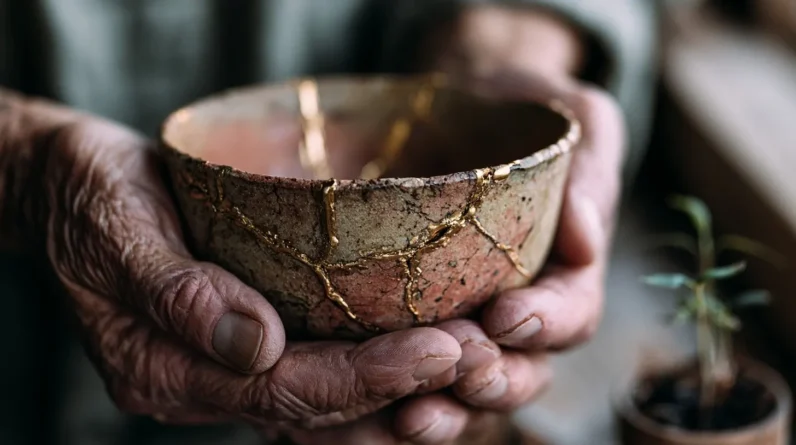
Healing old wounds for good starts with recognizing how attachment injuries live in our nervous system, not just our memory. We can give ourselves permission to feel emotions fully, reframe fixed narratives with self-compassion, and build daily regulation habits like mindful breathing and journaling. When dysregulation persists, seeking professional support builds resilience rather than signaling weakness. Understanding these five shifts helps us move from surviving old pain to genuinely rewiring our response to it.
Recognize How Old Wounds Still Shape You Today
Because our nervous systems encode early relational experiences before we develop the language to process them, we often carry attachment wounds as somatic imprints rather than conscious memories. These imprints resurface as emotional triggers—disproportionate reactions to present situations that actually echo unresolved past ruptures. When a partner’s silence feels like abandonment, or feedback feels like rejection, we’re likely experiencing implicit memory activation, not accurate threat assessment.
Self awareness practices help us differentiate between historical pain and current reality. We can start by tracking somatic sensations—tightness, heat, collapse—that precede our emotional responses. Journaling the gap between trigger and reaction reveals recurring thematic patterns rooted in early attachment ruptures. This mapping isn’t retraumatizing; it’s diagnostic. Precision here creates the foundation for genuine repair rather than repetitive reactivity.
Give Yourself Permission to Feel It Fully
Suppression exacts a measurable cost: research on affect regulation shows that chronic emotional inhibition heightens amygdala reactivity and sustains elevated cortisol long after the triggering event passes. We can interrupt this pattern by allowing emotional release rather than bypassing it. Vulnerability acceptance means we stop grading our feelings as acceptable or shameful; we simply let them surface. Breath awareness anchors us physiologically, slowing the sympathetic response so intense sensations don’t overwhelm us. Mindfulness practices help us observe emotion without merging with it, creating space between stimulus and reaction. Journaling exercises give these sensations language, converting diffuse arousal into articulated insight. Throughout this process, self-compassion matters most: we treat our reactions as data, not defects, and we trust that full feeling, not avoidance, is what finally metabolizes the wound.
Reframe the Story You Tell About Your Past
The narrative we construct about our past isn’t a fixed transcript; it’s a reconstructive process, one that cognitive neuroscience confirms gets rewritten every time we retrieve it. This means narrative reconstruction isn’t revisionism—it’s biology working in our favor. We’re not erasing what happened; we’re changing the meaning we assign to it. Instead of “I was powerless,” we might recognize “I survived with the resources I had.” This shift moves us from victim-identity to agency, generating genuine emotional empowerment rather than denial. We practice this by identifying the fixed interpretations we’ve rehearsed, then testing them against evidence: Was there resilience we overlooked? Growth we’ve minimized? Reframing doesn’t distort truth—it expands it, honoring complexity our original story couldn’t hold.
Build Daily Habits That Support Real Healing
Something shifts when we stop treating healing as an event and start treating it as a practice. Neuroplasticity research confirms that consistent, repeated actions rewire neural pathways more effectively than sporadic insight. We build resilience through daily structure, not occasional breakthroughs.
Consider integrating these habits:
- Morning mindful practices – Five minutes of grounded breathing regulates our nervous system before the day’s demands hijack it.
- Emotional journaling – Naming what we feel, without editing, reduces amygdala reactivity and builds self-awareness.
- Body-based movement – Walking or stretching discharges stored tension we can’t always articulate.
- Evening reflection – Reviewing one moment of growth reinforces our brain’s recognition of progress.
These aren’t grand gestures. They’re the quiet architecture of lasting change.
Know When It’s Time to Ask for Support
Even the most consistent habits have limits, and we do ourselves harm when we treat self-regulation as a substitute for professional care. Recognizing this threshold requires clinical honesty: persistent dysregulation, intrusive rumination, or functional impairment signals that support networks and professional guidance aren’t optional—they’re necessary. Seeking help reflects vulnerability strength, not deficiency; emotional resilience develops through calibrated reliance on others, not isolated effort.
| Warning Sign | What It Indicates | Recommended Action |
|---|---|---|
| Sleep disruption lasting weeks | Nervous system dysregulation | Consult therapy options |
| Withdrawal from relationships | Eroding community connections | Reach out to trusted confidants |
| Repetitive negative thought loops | Cognitive rigidity | Seek professional guidance |
Building a support network isn’t retreat—it’s strategic reinforcement for sustainable healing.
Frequently Asked Questions
How Long Does It Typically Take to Heal From Old Emotional Wounds?
There’s no fixed healing timeline—we’ve found emotional recovery varies by trauma severity, neuroplasticity, and consistent therapeutic intervention. You’ll typically notice measurable shifts within three to six months when you’re actively processing wounds through evidence-based modalities like somatic therapy or EMDR.
Can Old Wounds Resurface Even After Years of Healing Work?
Absolutely—even a decade of progress can crumble in an instant when an unexpected trigger strikes. We believe mastering triggers identification and self awareness strategies helps you recognize resurfacing patterns early, respond with clinical precision, and prevent full regression.
Is It Normal to Feel Worse Before Feeling Better While Healing?
Yes, we’re traversing an emotional rollercoaster when we confront suppressed affect; this destabilization reflects neurobiological reorganization, not regression. We recognize this as integral to your self-awareness journey—temporary dysregulation precedes integration, and we’re building genuine resilience together.
Does Healing Mean Forgiving the Person Who Hurt Me?
No, we don’t need forgiveness to heal. We can prioritize emotional release and process trauma responses independently. Forgiveness process, if it happens, follows integration—it’s optional, not a clinical prerequisite for resolving limbic activation.
Can Journaling Alone Truly Heal Deep Emotional Wounds Over Time?
Studies show 88% of journalers report reduced psychological distress within weeks. We recognize journaling benefits as genuine, though rarely sufficient alone; we need complementary modalities addressing somatic activation, cognitive restructuring, and relational repair alongside emotional release for thorough limbic system integration.
Conclusion
Healing old wounds isn’t about erasing the past—it’s about integrating it. When we recognize our patterns, feel our emotions fully, reframe our narratives, build supportive habits, and reach out for clinical support when needed, we create genuine neurological and emotional change. We don’t have to keep carrying yesterday’s pain into tomorrow. Sometimes the hardest part is simply turning over a new leaf and trusting that real, lasting growth is possible for us.