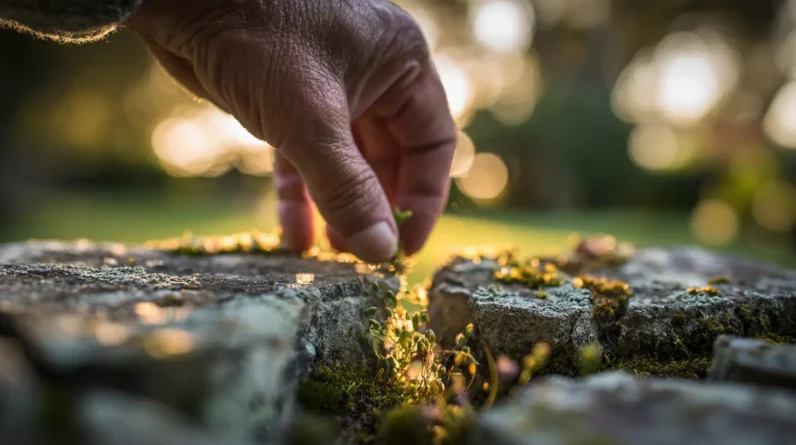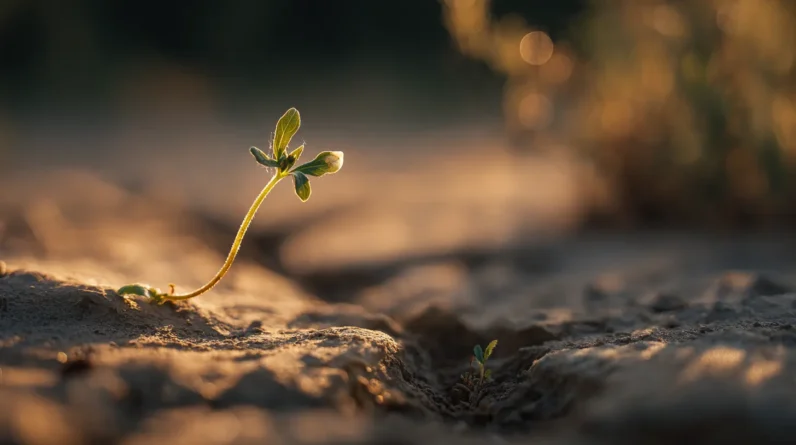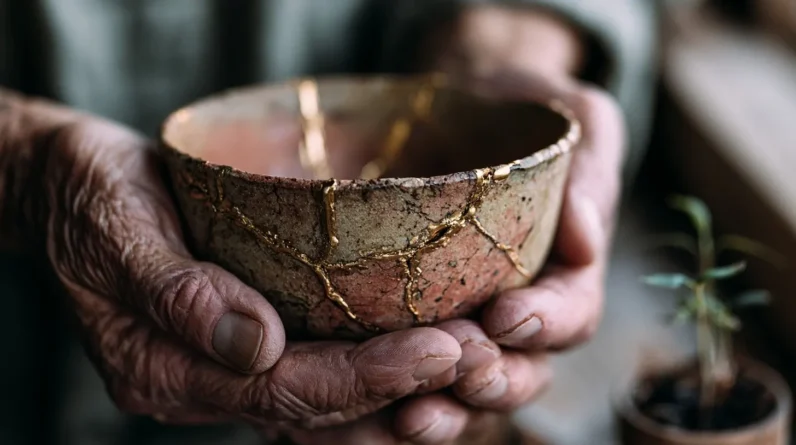
We can’t out-discipline an unhealed nervous system. When old wounds stay unaddressed, growth work becomes performative—we intellectualize pain instead of feeling it, and setbacks trigger shame instead of resilience. Real healing means engaging stored emotional memories with trauma-informed care and self-compassion, so we’re not just coping, we’re actually rewiring old patterns. Below, we’ll show you exactly how to tell if you’re ready to build growth that lasts.
Why Personal Growth Fails Without Healing First
Until we address the wounds beneath our ambitions, we’ll keep rebuilding on unstable ground. We can set goals, adopt new habits, and study emotional intelligence, but without trauma awareness, our progress collapses under old patterns. Growth strategies fail when our inner child still carries fear, shame, or unmet needs—we simply repeat the past in new forms. Real resilience building requires more than discipline; it demands that we turn toward what hurts, not away from it. Self compassion practices give us the safety to examine these wounds without judgment, creating space for lasting change. When we integrate healing into our development, we stop forcing growth through willpower alone and start building it on a foundation that actually holds.
Signs You’re Growing on Top of Unhealed Wounds
We can recognize this pattern by watching for specific markers in our daily functioning. When growth sits atop unhealed wounds, we notice a persistent gap between what we understand intellectually and how we react emotionally. Our inner child still runs the show during stress, even as we champion trauma awareness in conversation.
Watch for these indicators:
- We intellectualize pain instead of feeling it fully
- Our self-care practices feel performative, not restorative
- Triggers still hijack us despite years of “working on ourselves”
- We rely on coping strategies that manage symptoms without addressing roots
- Setbacks trigger shame spirals rather than resilient recalibration
True emotional resilience isn’t the absence of these signs—it’s recognizing them without judgment, then addressing what growth alone can’t reach.
What Emotional Healing Actually Requires
Because insight alone doesn’t rewire the nervous system, real healing demands something growth-oriented strategies often skip: direct engagement with stored bodily and emotional memory. We’re talking about processes that trauma-informed therapy prioritizes—somatic tracking, titrated exposure, and co-regulation with a skilled clinician who can help your system complete what it once couldn’t. Mindfulness techniques matter here too, not as relaxation tools, but as precision instruments for noticing sensation before it overwhelms you. Layer in self-compassion practices, and you interrupt the shame spirals that keep old wounds active. This combination builds genuine emotional resilience strategies: the capacity to feel intensity without dissociating or collapsing. You’re not bypassing discomfort—you’re teaching your body a new ending to an old story.
How to Know You’re Ready to Grow
How do you know the difference between avoidance and genuine readiness? Emotional readiness isn’t the absence of pain—it’s the capacity to feel discomfort without collapsing into it. We measure this through self awareness practices that reveal whether we’re moving toward growth or fleeing old wounds.
You’re likely ready when you notice:
- You can name your triggers without spiraling into shame
- Difficult emotions feel uncomfortable, not overwhelming
- You’re curious about patterns rather than defensive about them
- You can sit with uncertainty without needing immediate resolution
- Setbacks inform you instead of defining you
If you’re still bracing against every hard feeling, that’s data, not failure. Readiness builds gradually—through practice, not willpower.
Building a Personal Development Plan That Lasts
Once you’ve recognized genuine readiness, the next challenge is translating that awareness into a plan sturdy enough to survive real life. Durable plans start with mindful reflection: naming what matters, what’s realistic, and what’s already working. We recommend setting realistic goals—specific enough to measure, flexible enough to adjust when circumstances shift.
Sustainable habits outperform intensity. Small, repeatable actions embedded in supportive environments create traction that willpower alone can’t sustain. We encourage tailored strategies over generic templates, since your history, nervous system, and constraints are unique. Accountability partnerships add structure and honest feedback, while self-compassion practices keep setbacks from becoming shutdowns.
Ultimately, holistic approaches—addressing body, mind, and relationships together—build plans that bend without breaking, carrying you through the inevitable rough weeks ahead.
Frequently Asked Questions
Can Healing and Personal Growth Happen at the Same Time?
Yes, we can pursue both: holistic approaches let us address wounds while building new capacities. We’re not suggesting strict sequencing—simultaneous progress often occurs naturally, as long as we’re not bypassing unresolved trauma to chase growth prematurely.
How Long Does Emotional Healing Usually Take?
There’s no magic 30-day shrink-wrap on grief. We wish healing arrived like a microwave timer—ding, done! Instead, your emotional timeline unfolds through genuine healing variance: weeks for some wounds, years for others. We honor your pace, not a stopwatch.
Should I Work With a Therapist or Heal Alone?
We recommend combining both: therapist benefits include structured emotional support and clinical insight, while self-healing techniques like personal reflection build autonomy. We’re strongest when we integrate professional guidance with consistent, self-directed introspective practice.
Can Past Trauma Resurface After Years of Personal Growth?
Yes—like buried roots cracking through healed soil, trauma triggers can resurface unexpectedly. We build emotional resilience not by erasing wounds, but by strengthening our capacity to recognize, withstand, and integrate these resurfacing patterns with clinical awareness.
Is It Normal to Feel Worse Before Healing Improves?
Yes—we consider this a natural pattern. As suppressed material surfaces, we often experience emotional turbulence before stabilization occurs. This temporary intensification reflects genuine processing, not regression. We recognize it as evidence your healing journey is progressing, not failing.
Conclusion
We can’t rush what the nervous system needs to process. We can add habits, track goals, chase discipline—but if the wound underneath stays untouched, growth becomes performance. Real change waits for something quieter: safety, first. Not motivation. Not strategy. Safety. Once we build that foundation, growth stops being a fight against ourselves. It becomes what it was always meant to be—sustainable, honest, and finally, ours to keep.